
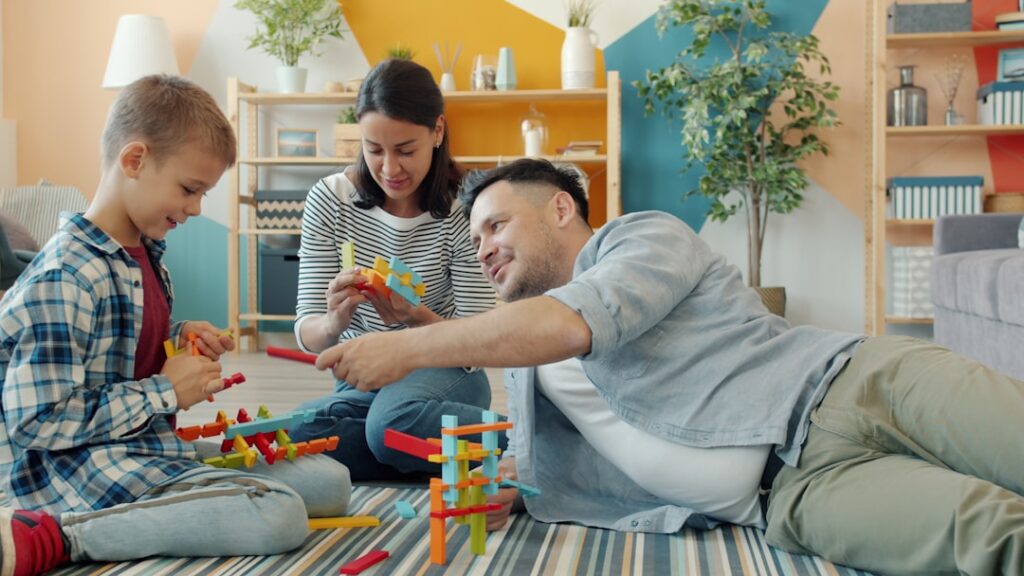

Family bonding refers to the process of developing and maintaining emotional connections between family members through shared experiences and interactions. Research indicates that strong family relationships contribute significantly to individual psychological well-being and social development. Studies show that families with close bonds typically provide more effective emotional support systems, which can help members cope with stress and adversity more successfully than those with weaker family connections.
Family bonding activities have measurable effects on child development. Children who participate in regular family interactions demonstrate improved social skills, enhanced emotional regulation, and better communication abilities compared to those with limited family engagement. These developmental benefits often extend into adulthood, influencing relationship patterns and social competence throughout life.
Family traditions and shared experiences also serve as mechanisms for transmitting cultural values, beliefs, and behavioral norms across generations. The practice of family bonding involves deliberate time allocation for shared activities and meaningful communication between family members. This investment in relationship-building has documented benefits for family stability, individual mental health outcomes, and the overall functioning of the family unit as a social system.
Key Takeaways
- Family bonding strengthens relationships and creates lasting memories.
- Outdoor and indoor activities offer diverse ways to connect and have fun together.
- Creative projects, cooking, and game nights encourage teamwork and communication.
- Engaging in family fitness and volunteering promotes health and shared values.
- Planning vacations and trips provides opportunities for adventure and quality time.
Outdoor Activities for Family Bonding
Engaging in outdoor activities is one of the most effective ways to strengthen family bonds while enjoying the beauty of nature. Whether it’s hiking through scenic trails, biking along picturesque paths, or simply taking a leisurely stroll in the park, outdoor adventures provide families with opportunities to connect in a relaxed environment. The fresh air and physical activity can invigorate spirits and foster a sense of togetherness as family members share experiences and create lasting memories.
Additionally, outdoor activities often encourage teamwork and cooperation. Families can participate in sports such as soccer or basketball, where they learn to work together towards a common goal. Camping trips can also be a fantastic way to bond, as families navigate the challenges of setting up tents, cooking over a campfire, and exploring the great outdoors together.
These shared experiences not only enhance communication but also build trust and resilience within the family unit.
Indoor Activities for Family Bonding
While outdoor activities are invigorating, indoor activities also offer unique opportunities for families to bond. Rainy days or cold weather can be perfect occasions for families to gather indoors and engage in activities that promote interaction and connection. Board games, for instance, can spark friendly competition and laughter, allowing family members to enjoy each other’s company while honing their strategic thinking skills.
The shared excitement of winning or the playful banter that ensues during these games can create a lively atmosphere that strengthens familial ties. In addition to games, indoor activities such as reading together or storytelling can foster a love for literature while enhancing communication skills. Families can take turns reading chapters from a favorite book or sharing personal stories that reflect their experiences and values.
This not only encourages creativity but also deepens understanding among family members as they learn more about each other’s perspectives and backgrounds. Ultimately, indoor activities provide a cozy setting for families to connect on a deeper level, reinforcing their bonds through shared interests and experiences.
Creative Activities for Family Bonding
Creativity is a powerful tool for family bonding, as it allows individuals to express themselves while collaborating on projects that reflect their collective imagination. Engaging in creative activities such as painting, crafting, or even writing stories together can be both fun and fulfilling. These activities encourage families to explore their artistic sides while fostering communication and teamwork.
As they work together on a project, family members learn to appreciate each other’s ideas and contributions, which can lead to a greater sense of unity. Moreover, creative activities often result in tangible outcomes that families can cherish for years to come. A family painting or a scrapbook filled with memories serves as a reminder of the time spent together and the creativity shared.
These projects can also be used as conversation starters during future gatherings, allowing families to reminisce about the fun they had while creating them. By prioritizing creative endeavors, families not only bond over shared experiences but also cultivate an environment where imagination and collaboration thrive.
Cooking and Baking Together
| Activity | Average Duration | Recommended Age Group | Benefits | Frequency per Week |
|---|---|---|---|---|
| Board Games | 1-2 hours | All ages | Improves communication, teamwork, and problem-solving | 2-3 times |
| Cooking Together | 1-1.5 hours | 6 years and up | Enhances cooperation, teaches life skills, and encourages healthy eating | 1-2 times |
| Outdoor Activities (Hiking, Biking) | 2-3 hours | All ages | Promotes physical health, reduces stress, and fosters bonding | 1-2 times |
| Movie Night | 2-3 hours | All ages | Encourages relaxation and shared experiences | 1 time |
| Arts and Crafts | 1-2 hours | 3 years and up | Boosts creativity and fine motor skills | 2 times |
| Reading Together | 30-60 minutes | All ages | Improves literacy and strengthens emotional connection | Daily |
Cooking and baking together is another delightful way for families to bond while creating delicious meals and treats. The kitchen becomes a hub of activity where family members can collaborate on recipes, share culinary tips, and enjoy the fruits of their labor together. This activity not only teaches valuable life skills but also encourages communication as family members discuss preferences, dietary restrictions, and cooking techniques.
Moreover, cooking together allows families to explore different cultures through food. They can choose recipes from various cuisines around the world, turning mealtime into an educational experience that broadens their horizons. The process of preparing meals also provides opportunities for storytelling, as family members share memories associated with certain dishes or ingredients.
Ultimately, cooking and baking together fosters teamwork and creativity while creating lasting memories centered around shared meals.
Family Movie Nights
Family movie nights are a cherished tradition in many households, providing an opportunity for families to unwind together while enjoying films that resonate with them. Selecting movies that cater to everyone’s tastes can be an engaging process in itself, sparking discussions about favorite genres or actors. Once the movie is chosen, families can create a cozy atmosphere with blankets and snacks, transforming their living room into a mini-theater.
The experience of watching a movie together allows families to share laughter, tears, and excitement as they immerse themselves in different stories. After the credits roll, discussions about the film can lead to deeper conversations about themes, characters, and personal reflections. This shared experience not only entertains but also strengthens familial bonds by encouraging dialogue and connection over common interests.
Game Nights
Game nights are another fantastic way for families to bond while enjoying friendly competition and laughter. Whether it’s classic board games or modern video games, these evenings provide an opportunity for family members to engage with one another in a fun and relaxed setting. The thrill of competition can bring out playful banter and camaraderie as everyone cheers each other on or playfully teases one another about their gaming skills.
Moreover, game nights can be tailored to accommodate all ages within the family, ensuring that everyone feels included and valued. Families can rotate who chooses the game each week, allowing each member to share their favorites while introducing new games to the mix. This variety keeps game nights fresh and exciting while fostering an environment where everyone feels comfortable expressing themselves.
Ultimately, these evenings create cherished memories filled with laughter and connection.
DIY Projects and Crafts
Engaging in DIY projects and crafts is an excellent way for families to bond while unleashing their creativity. Whether it’s building furniture together or creating handmade gifts for friends and relatives, these projects encourage collaboration and problem-solving skills among family members. Working side by side on DIY tasks fosters communication as they discuss ideas, share responsibilities, and celebrate their accomplishments together.
Additionally, DIY projects often result in unique creations that hold sentimental value for families. A handmade piece of furniture or a crafted decoration serves as a reminder of the time spent together and the effort put into creating something special. These projects can also be an opportunity for families to learn new skills or techniques, further enhancing their bond through shared learning experiences.
Ultimately, DIY projects provide a platform for creativity while reinforcing familial connections through teamwork.
Family Fitness and Exercise
Incorporating fitness into family bonding activities promotes both physical health and emotional well-being. Engaging in exercise together not only encourages healthy habits but also provides opportunities for families to support one another in achieving fitness goals. Whether it’s going for walks, participating in group fitness classes, or playing sports together, these activities foster teamwork while promoting an active lifestyle.
Moreover, exercising as a family creates an environment where health becomes a shared priority rather than an individual endeavor. Families can set collective fitness goals or challenges that motivate everyone to stay active while having fun together. This shared commitment not only strengthens physical health but also enhances emotional connections as family members cheer each other on during workouts or celebrate milestones achieved together.
Volunteering and Giving Back as a Family
Volunteering as a family is a powerful way to bond while making a positive impact on the community. Engaging in charitable activities allows families to work together towards a common cause, fostering empathy and compassion among members. Whether it’s participating in local clean-up events, serving meals at shelters, or organizing fundraising efforts for charitable organizations, these experiences instill values of kindness and generosity.
Moreover, volunteering provides families with opportunities to reflect on their privileges while developing gratitude for what they have. Sharing these experiences can lead to meaningful conversations about social issues and inspire children to become more socially aware individuals. Ultimately, giving back as a family not only strengthens bonds but also cultivates a sense of purpose that enriches their lives.
Planning Family Vacations and Trips
Planning family vacations and trips is an exciting endeavor that brings everyone together in anticipation of new adventures. Involving all family members in the planning process ensures that everyone’s preferences are considered, fostering collaboration from the outset. Whether it’s choosing destinations or deciding on activities to do during the trip, this process encourages open communication and teamwork.
During vacations themselves, families have the opportunity to create unforgettable memories through shared experiences such as exploring new places or trying new foods together. These trips often serve as bonding moments that strengthen relationships as families navigate challenges like travel delays or unfamiliar environments together. Ultimately, planning vacations not only provides excitement but also reinforces familial connections through shared exploration and adventure.
In conclusion, family bonding is essential for nurturing relationships that contribute to emotional well-being and personal growth. Through various activities—whether indoors or outdoors—families can create lasting memories while strengthening their connections with one another. By prioritizing time spent together through creative endeavors, cooking sessions, movie nights, game nights, DIY projects, fitness activities, volunteering efforts, and vacations, families cultivate an environment where love and support flourish.
Investing in these moments ultimately enriches each member’s life while reinforcing the importance of family bonds that endure through time.
FAQs
What are family bonding activities?
Family bonding activities are planned or spontaneous events and experiences that family members participate in together to strengthen their relationships, improve communication, and create lasting memories.
Why are family bonding activities important?
Family bonding activities help build trust, improve emotional connections, reduce stress, and promote a sense of belonging among family members. They contribute to healthier family dynamics and overall well-being.
What are some examples of family bonding activities?
Examples include playing board games, cooking meals together, going on nature walks, having movie nights, doing arts and crafts, participating in sports, and volunteering as a family.
How often should families engage in bonding activities?
There is no set rule, but regularly scheduling family bonding activities—such as weekly or biweekly—can help maintain strong relationships and ensure quality time together.
Can family bonding activities be adapted for different age groups?
Yes, activities can be tailored to suit the interests and abilities of all family members, from young children to adults, ensuring everyone can participate and enjoy the experience.
Do family bonding activities require a lot of time or money?
Not necessarily. Many effective bonding activities are simple, inexpensive, and can be done at home or in local community spaces, such as playing games, storytelling, or going for a walk.
How can technology be used in family bonding activities?
Technology can facilitate bonding through interactive games, video calls with distant relatives, watching movies together, or using apps designed for family engagement and learning.
What are some tips for successful family bonding activities?
Tips include choosing activities that everyone enjoys, minimizing distractions like phones, encouraging open communication, being patient, and focusing on having fun rather than competition or perfection.