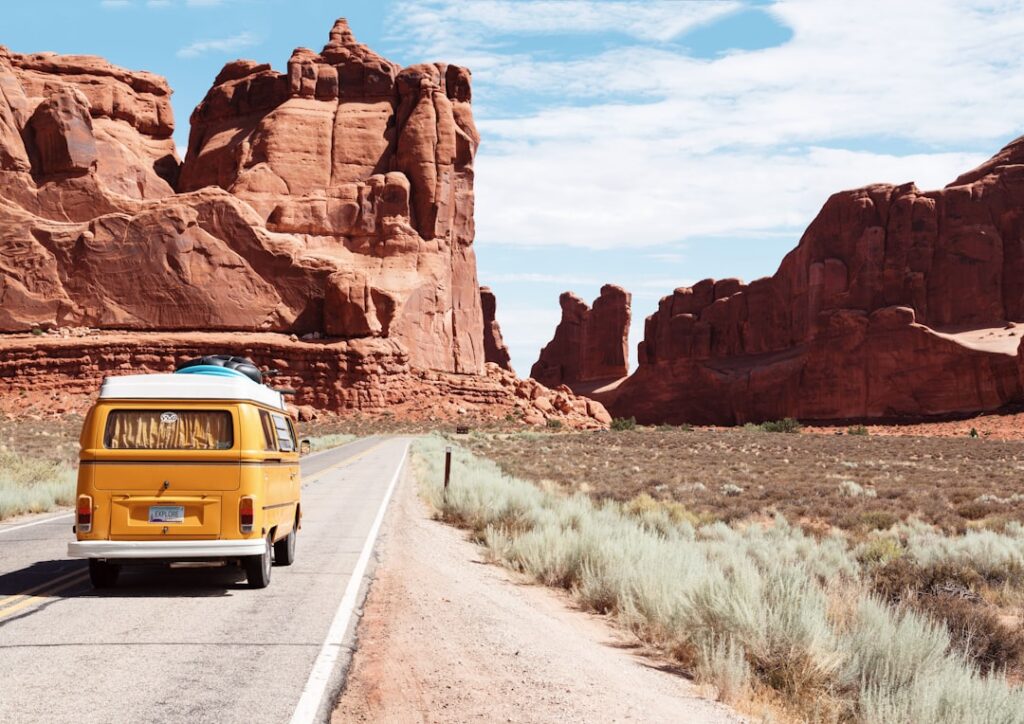

When the call of the wild tugs at your soul, when the mundane offers little solace and your spirit yearns for challenges that push your boundaries, then you, my friend, are an adventure seeker. This is for you. I’ve traversed many landscapes, felt the sting of wind on my face atop towering peaks and the embrace of ancient forests, and I’ve compiled a list of destinations that have etched themselves into my memory, not for their postcard perfection, but for the raw, untamed experiences they offer. These are not places for the faint of heart, but for those who find their truest selves in the crucible of challenge.
Nepal, cradled in the majestic embrace of the Himalayas, is a pilgrimage site for those who chase the sky. The sheer scale of its peaks is not just a visual spectacle; it is an invitation to test your physical and mental fortitude. My first encounter with the Everest region was a humbling one. The air grew thin, each step a deliberate victory, and the silence, broken only by the crunch of my boots and the distant cry of an eagle, was profound.
Trekking the Everest Base Camp Trail
The popular Everest Base Camp (EBC) trek is more than just a route; it’s a rite of passage for many trekkers. The journey begins in Lukla, a small mountain airstrip that itself offers a thrilling introduction. From there, the trail winds through Sherpa villages, prayer flags fluttering like hopeful whispers in the wind, and rhododendron forests that burst into vibrant color in the spring.
Acclimatization Strategies and Essential Gear
Proper acclimatization is paramount. Spending a day or two in Namche Bazaar, a bustling hub at over 3,400 meters, is crucial. I learned this the hard way on an earlier trek, pushing too hard and paying the price with a headache that throbbed in rhythm with my heartbeat. Essential gear includes high-quality trekking boots, layers of warm clothing, a good sleeping bag, and a sturdy backpack. Don’t underestimate the power of sun protection; the sun at high altitudes is a relentless admirer.
Altitude Sickness: Recognition and Prevention
Altitude sickness, or Acute Mountain Sickness (AMS), can manifest as headaches, nausea, dizziness, and fatigue. Recognizing these symptoms early and descending if they worsen is critical. Hydration is your best ally, and avoiding alcohol and strenuous activity upon arrival at higher altitudes aids acclimatization. Diamox, a prescription medication, can also be useful for some individuals, but consultation with a medical professional is advised.
Beyond EBC: Annapurna Circuit and Beyond
While EBC draws the most attention, the Annapurna Circuit offers a more diverse trekking experience. This route circumnavigates the Annapurna massif, presenting a rich tapestry of landscapes, from subtropical forests to arid alpine deserts. The Thorong La Pass, at 5,416 meters, is the circuit’s crowning achievement, a challenging ascent rewarded with panoramic views that steal your breath, both figuratively and literally.
Cultural Immersion in Remote Villages
Interacting with the local communities along these trails provides a deeper understanding of Nepal’s rich cultural heritage. Staying in teahouses, sharing meals with Sherpa families, and witnessing their daily lives offers a perspective that no guidebook can replicate. I recall a particular evening in a tiny village, sharing stories with an elderly woman whose eyes held the wisdom of generations, a moment that resonated more than any summit vista.
Mountaineering Expeditions: For the Truly Ambitious
For those with aspirations beyond trekking, Nepal offers opportunities for climbing peaks like Island Peak or Mera Peak. These expeditions require advanced technical skills, mountaineering experience, and a significant commitment. The rewards, however, are immense: the satisfaction of standing on a challenging summit, having conquered not just a mountain, but a significant part of yourself.
Essential Training and Expedition Planning
Expedition planning involves meticulous attention to detail. This includes securing permits, hiring experienced guides and porters, and ensuring you have the appropriate technical climbing gear. Prior mountaineering training, including ice axe and crampon proficiency, rope work, and crevasse rescue, is non-negotiable.
If you’re looking to enhance your travel photos, you might find it helpful to explore some easy editing techniques. A related article that provides useful tips on editing photos is available at Easy Ways to Edit Head Upin Ipin Photos on Android. This guide offers practical advice on how to make your travel memories even more vibrant and visually appealing, ensuring that your snapshots truly capture the essence of your adventures.
New Zealand: The Adventure Capital of the World
New Zealand, an island nation forged by volcanic fire and glacial ice, is a playground for adrenaline junkies. From the dramatic fjords of the South Island to the geothermal wonders of the North, it’s a place where the landscape itself seems to conspire to offer you a thrilling experience. I remember the guttural roar of the jet boat as it carved through the narrow Shotover River canyon, spray misting my face; it was an exhilarating dance with the elements.
Queenstown: A Hub of High-Octane Activities
Queenstown, nestled on the shores of Lake Wakatipu, is the undisputed adventure capital. It’s a town that breathes adrenaline. Here, the options are seemingly endless, catering to every spectrum of thrill-seeker.
Bungee Jumping and Canyon Swings
The Kawarau Bridge Bungy Jump, the world’s first commercial bungy jump, is an iconic experience. For those who prefer a controlled freefall with a return swing, the Nevis Swing offers a colossal arc over a canyon. My first bungy was a leap of faith into the abyss, a moment of pure terror followed by unparalleled euphoria.
White-Water Rafting and Kayaking
The Shotover River and the historic Clutha River offer world-class white-water rafting. Paddling through exhilarating rapids, the spray of icy water a constant companion, is a test of teamwork and nerve. Kayaking in the serene Milford Sound, surrounded by towering cliffs and cascading waterfalls, offers a different, yet equally profound, connection with nature.
Glacier Exploration and Heli-Hiking
On the South Island, Franz Josef and Fox Glaciers provide unique opportunities for exploration. Heli-hiking allows you to land on the ice, bypassing the challenging trek to the glacier’s snout. Equipped with crampons and ice axes, you explore ice caves and crevasses under the guidance of experienced mountaineers.
Safety Briefings and Glacier Etiquette
Safety briefings before any glacier activity are thorough and should be heeded without question. Understand the glacier’s dynamic nature; it is a living, moving entity. Respect the environment and follow your guide’s instructions implicitly to ensure a safe and memorable experience.
Hiking the Great Walks: From Coastal Trails to Alpine Peaks
New Zealand’s “Great Walks” are a network of meticulously maintained hiking trails that showcase the country’s diverse beauty. The Milford Track, often described as the “finest walk in the world,” winds through Fiordland National Park, revealing lush rainforest, dramatic mountain passes, and stunning lake views.
Booking in Advance and Wilderness Survival Skills
These trails are popular, and booking accommodation in huts well in advance, often up to a year, is essential. While the trails are well-marked, possessing basic wilderness survival skills and carrying essential safety equipment like a personal locator beacon (PLB) is always prudent.
Patagonia: Where the Wildness Truly Begins
Patagonia, a land of windswept plains, jagged peaks, and colossal glaciers, straddling the southern tips of Argentina and Chile, is a destination that whispers tales of raw, untamed nature. The sheer scale of the landscapes here is overwhelming; it’s a place where you feel like an ant in the presence of giants. I remember standing before the Perito Moreno Glacier, listening to its thunderous calving, a powerful symphony of ice and water that left me awestruck.
El Chaltén, Argentina: Trekker’s Paradise
El Chaltén, a small village at the foot of Fitz Roy mountain, is often referred to as Argentina’s trekking capital. It serves as a gateway to some of the most spectacular day hikes and multi-day treks in Patagonia.
Hiking to Laguna de los Tres for Iconic Fitz Roy Views
The hike to Laguna de los Tres offers unparalleled views of the iconic Fitz Roy massif. This challenging trek culminates at a glacial lake, reflecting the jagged, granite spires of Fitz Roy, a sight that burns itself into your memory. The wind, a constant companion in Patagonia, can make this hike an even greater test of perseverance.
Trekking to Laguna Torre and Cerro Torre
Another popular trek leads to Laguna Torre, offering breathtaking views of the needle-like Cerro Torre. This trail traverses glacial moraines and offers a different perspective of the dramatic Patagonian landscape.
Torres del Paine National Park, Chile: A Crown Jewel
Torres del Paine National Park, a UNESCO Biosphere Reserve, is arguably the crown jewel of Patagonian hiking. Its dramatic granite peaks, turquoise lakes, and vast glaciers draw hikers from around the globe.
The “W” Trek and “O” Circuit: Planning Your Route
The “W” Trek, a five-day circuit, is the most popular. For the more ambitious, the “O” Circuit, a nine-day loop, offers a more comprehensive experience of the park’s diverse terrain. Booking campsites and refugios well in advance is absolutely critical, as availability is scarce.
Navigating Patagonian Weather: Be Prepared for Anything
Patagonian weather is notoriously unpredictable. One moment you can be basking in sunshine, the next you’re battling fierce winds and sudden downpours. Layers are your best friend, and waterproof and windproof outer shells are non-negotiable. I learned to appreciate the resilience of the Patagonian guanacos, seemingly unfazed by the ever-shifting elements.
Glacier Exploration and Boat Trips
Beyond hiking, exploring the mighty glaciers like Perito Moreno and Upsala via boat trips offers a different, yet equally awe-inspiring, perspective of these icy giants. The sheer scale and the sonorous sounds of calving ice are a testament to the raw power of nature.
Glacier Hiking and Ice Climbing Courses
For the truly adventurous, glacier hiking and ice climbing courses are available, allowing you to engage directly with the ice, ropes, and crampons. These activities require a good level of fitness and a willingness to embrace the cold.
Iceland: Land of Fire and Ice
Iceland, a country forged in volcanic fury and sculpted by glacial ice, offers a unique and dramatic landscape for adventure seekers. It’s a place where you can witness the earth’s raw power on full display, from steaming geysers to thundering waterfalls and the ethereal dance of the Northern Lights. My experience exploring ice caves beneath a glacier was like stepping into another world, a luminous blue cavern carved by time and meltwater.
Glacier Hiking and Ice Climbing on Vatnajökull
Vatnajökull, Europe’s largest glacier, is a vast expanse of ice offering incredible opportunities for glacier hiking and ice climbing. Guided tours allow you to safely explore the glacier’s séracs, crevasses, and ice formations.
Essential Gear for Glacier Activities
Specialized gear, including crampons, ice axes, helmets, and harnesses, is provided by tour operators. However, good thermal base layers, waterproof and windproof outer clothing, and sturdy insulated boots are essential personal items.
Exploring Ice Caves: A Subterranean Wonderland
During the winter months, natural ice caves form within Iceland’s glaciers. Guided tours take you into these ephemeral wonders, where the ice glows with an otherworldly blue hue. Each cave is unique, a fleeting masterpiece of nature.
The Ephemeral Nature of Ice Caves
It’s crucial to understand that ice caves are temporary. They form and melt with the seasons, and their stability can change rapidly. Always go with a certified guide who is knowledgeable about the current conditions and safety of the caves.
Caving in Lava Tubes: Venturing Underground
Iceland’s volcanic activity has created an extensive network of lava tubes. Guided caving tours allow you to explore these subterranean passages, revealing fascinating geological formations. Some caves are easily accessible, while others require more advanced caving skills.
Safety Precautions for Lava Tube Exploration
Safety in lava tubes is paramount. Helmets with headlamps are essential for illumination and protection. Guides will ensure you understand the terrain, potential hazards, and proper caving techniques.
Northern Lights: Chasing the Aurora Borealis
During the winter months, Iceland offers prime viewing opportunities for the Aurora Borealis. While not an “activity” in the traditional sense, the chase for the Northern Lights, venturing away from city lights into darker areas, is an adventure in itself. Patience and a bit of luck are key.
Best Times and Locations for Aurora Viewing
The best time to see the Northern Lights is during the dark, clear nights of winter, typically from September to April. Locations away from light pollution, such as the countryside or national parks, offer the best viewing experiences.
When planning your next adventure, it’s essential to consider the impact of your travel choices on the environment. One way to make a positive difference is by opting for sustainable footwear, which not only supports eco-friendly practices but also enhances your travel experience. For insights on how eco-friendly sneakers can benefit your journeys, check out this informative article on the benefits of eco-friendly sneakers for women. By choosing the right gear, you can explore the world while minimizing your carbon footprint. You can read more about it here.
Costa Rica: Jungle Adventures and Volcanic Wonders
| Metric | Description | Example Value | Unit |
|---|---|---|---|
| Average Trip Duration | Average length of a trip taken by travelers | 7 | Days |
| Average Daily Spending | Average amount spent per day by travelers | 150 | USD |
| Popular Destinations | Top travel destinations by number of visitors | Paris, Tokyo, New York | Locations |
| Travel Mode Share | Percentage distribution of transportation modes used | Air: 60%, Train: 25%, Car: 15% | Percentage |
| Annual International Travelers | Number of international travelers per year | 1.4 Billion | People |
| Average Flight Delay | Average delay time for flights | 15 | Minutes |
| Hotel Occupancy Rate | Percentage of hotel rooms occupied | 75 | Percentage |
Costa Rica, a vibrant jewel of Central America, is a biodiversity hotspot that beckons with its lush rainforests, active volcanoes, and stunning coastlines. It’s a place where the symphony of the jungle is a constant soundtrack, and the opportunities for adventure are as diverse as its wildlife. My time spent ziplining through the canopy, with monkeys chattering overhead and toucans flitting through the emerald expanse, was an unforgettable immersion into the heart of the rainforest.
Arenal Volcano National Park: Hiking and Hot Springs
Arenal Volcano, a near-perfect cone, is the centerpiece of this national park. Hiking trails offer close-up views of the volcano (though current activity levels dictate access), and the surrounding area is rich in geothermal activity.
Exploring Lava Fields and Hot Springs
Trails wind through old lava fields, a stark reminder of the volcano’s power. After a day of hiking, soaking in the natural hot springs, heated by the volcano’s geothermal energy, is a perfect way to relax and rejuvenate.
Monteverde Cloud Forest Reserve: Canopy Adventures
Monteverde is renowned for its misty cloud forests and the incredible biodiversity they harbor. It’s a prime location for experiencing the rainforest from a different perspective.
Ziplining and Hanging Bridges Tours
Ziplining through the canopy is a signature Costa Rican adventure. Soaring above the treetops, you gain a bird’s-eye view of the dense jungle. Hanging bridge tours offer a more leisurely exploration, allowing you to walk amongst the canopy, spotting wildlife.
Wildlife Spotting: Sloths, Monkeys, and Exotic Birds
The cloud forest is teeming with life. Keep your eyes peeled for the famously slow-moving sloths, troops of howler and capuchin monkeys, and a dazzling array of exotic birds, including the resplendent quetzal.
White-Water Rafting on the Pacuare River
The Pacuare River is consistently ranked among the world’s top white-water rafting destinations. This thrilling journey takes you through pristine rainforest, with exhilarating rapids interspersed with calmer sections where you can admire the lush scenery and abundant wildlife.
Choosing the Right Rafting Tour
Various tour operators offer different levels of rafting intensity, from family-friendly floats to more challenging expeditions. Consider your experience level and desired thrill factor when choosing a tour.
Surfing the Pacific and Caribbean Coasts
Costa Rica boasts extensive coastlines on both the Pacific and Caribbean. The Pacific side offers consistent waves suitable for surfers of all levels, from beginner-friendly breaks to challenging big waves. The Caribbean side offers a different vibe and sometimes more challenging conditions.
Surf Lessons and Rentals
Numerous surf schools and rental shops are available in popular surf towns, making it easy to get started or hone your skills. The warm water and sunshine make for an ideal surfing environment.
These destinations represent just a fraction of the adventures that await. Each offers a unique tapestry of challenges, natural beauty, and opportunities for self-discovery. As you plan your next journey, remember that the greatest adventures are not always the most comfortable, but they are invariably the ones that leave the most indelible marks on your soul. Go forth, and let the wild call to you.
FAQs
What are the essential documents needed for international travel?
Essential documents for international travel typically include a valid passport, visa (if required by the destination country), travel insurance, flight tickets, and any necessary vaccination certificates.
How can travelers ensure their safety while traveling abroad?
Travelers can ensure safety by researching their destination, keeping copies of important documents, staying aware of local laws and customs, avoiding risky areas, and keeping emergency contact information handy.
What are some common ways to save money on travel expenses?
Common ways to save money include booking flights and accommodations in advance, traveling during off-peak seasons, using public transportation, staying in budget accommodations, and taking advantage of travel deals and discounts.
How can travelers manage jet lag effectively?
To manage jet lag, travelers should try to adjust their sleep schedule before departure, stay hydrated, avoid excessive caffeine and alcohol, get sunlight exposure upon arrival, and take short naps if necessary.
What are the benefits of travel insurance?
Travel insurance provides coverage for unexpected events such as trip cancellations, medical emergencies, lost luggage, and travel delays, offering financial protection and peace of mind during travel.