
My journey through Europe has been a tapestry woven with countless threads of history, culture, and breathtaking landscapes. It’s a continent that demands to be savored, a vast library where each city is a unique volume, waiting to be opened. This guide is born from my own explorations, a distillation of experiences aimed at helping you, the intrepid traveler, navigate this extraordinary continent.
Europe is not a monolithic entity; it is a constellation of diverse nations, each with its own distinct personality. To truly appreciate it, one must embrace this heterogeneity. The history of Europe is a long and complex saga, marked by empires rising and falling, by periods of fervent innovation and devastating conflict. This legacy is etched into its very fabric, from the ancient ruins still standing sentinel to the modern metropolises that pulsate with contemporary life.
The Weight of History
To step into Europe is to walk through a living museum. You can feel the echoes of Roman legions marching through cobbled streets, the whispers of Renaissance thinkers debating in sun-drenched piazzas, and the somber memories of conflicts that reshaped the continent. This historical depth is a powerful undercurrent, influencing everything from architecture to social customs. Understanding a nation’s past is often key to unlocking the present.
Cultural Nuances: A Spectrum of Traditions
Each European nation possesses a unique cultural fingerprint. These differences manifest in countless ways: the art of conversation in a Parisian café, the passionate intensity of a Spanish flamenco performance, the quiet contemplation inspired by a Scandinavian fjord, or the hearty cheer of a German beer garden. Ignorance of these nuances can lead to misunderstandings, while an appreciation fosters deeper connections. As a traveler, I’ve learned that a little research into local customs goes a long way, preventing unintentional faux pas and opening doors to authentic experiences.
The Linguistic Landscape
While English is increasingly spoken in tourist hubs, venturing beyond these enclaves reveals a rich tapestry of languages. Learning a few basic phrases in the local tongue is always advisable. It’s a sign of respect and often elicits a warmer reception. Imagine handing someone a meticulously crafted gift – a few well-chosen words in their language are a similar gesture, showing you’ve invested a little effort into bridging the communication gap.
Navigating Borders and Beyond
The Schengen Area is a remarkable achievement, allowing for seamless travel between many European countries without regular border checks. This facilitates a fluid exploration experience, where passing from one nation to another can be as simple as crossing a street. However, it’s crucial to be aware of the countries that are not part of Schengen and to adhere to their specific visa and entry requirements. My own passport has a collection of stamps, each a marker of a successful transition between distinct national identities.
If you’re planning a trip to Europe and looking for ways to enhance your travel experience, you might find it interesting to explore how to create a spa-like atmosphere in your accommodations. A related article that provides valuable insights on this topic can be found here: How to Create a Spa-Like Bathroom at Home. This guide offers tips on transforming your space into a relaxing retreat, ensuring that you can unwind after a day of exploring the beautiful sights and sounds of Europe.
Planning Your European Expedition: From Grand Designs to Practical Steps
Embarking on a European adventure requires more than just a desire to explore; it necessitates a well-thought-out plan. The continent offers such a vast array of experiences that trying to see everything in one go would be like trying to drink from a fire hose. A strategic approach is paramount.
Defining Your Travel Style
Before diving into destinations, I always ask myself what kind of traveler I am for this particular trip. Am I seeking a whirlwind tour of iconic landmarks, a deep dive into a single region’s culture, a budget backpacking adventure, or a luxurious escape? Your travel style will be the compass guiding your itinerary.
The Explorer: A Whirlwind of Iconic Sights
For those who want to tick off the big names – the Eiffel Tower, the Colosseum, Big Ben – a more structured, fast-paced itinerary is often necessary. This style requires efficient planning, maximizing time spent at each location. It’s about collecting experiences like precious jewels, each one sparkling with its own distinct history and significance.
The Immersionist: Deep Dives into Local Life
Conversely, some travelers prefer to slow down, to peel back the layers of a single place or region. This involves spending more time in fewer locations, engaging with locals, and exploring off-the-beaten-path attractions. This approach allows for a richer understanding, a deeper connection, and a more authentic sense of place. It’s like savoring a fine wine, appreciating its complex notes and lingering finish.
The Budget Wanderer: Maximizing Value
For those conscious of their expenditure, Europe offers fantastic opportunities for affordable travel. Hostels, budget airlines, and self-catering options can significantly reduce costs. The key here is research and flexibility. My own backpacking days taught me that resourcefulness is often the greatest asset.
The Luxury Seeker: Indulging in Comfort and Elegance
Europe also caters to those who seek comfort, exquisite dining, and premium experiences. From five-star hotels to private guided tours, the continent offers unparalleled luxury for discerning travelers. This style allows for a pampered exploration, where every detail is meticulously attended to.
Crafting Your Itinerary: The Art of Selection
Once your travel style is defined, the real work of itinerary building begins. This is where the sheer volume of choices can be overwhelming. I often think of this stage as curating a personal exhibition of experiences.
Thematic Journeys: Following a Passion
Consider creating trips around specific interests. A journey through the wine regions of France, Italy, and Spain, for instance, or a historical tour tracing the remnants of the Roman Empire. These thematic journeys can provide a captivating narrative to your travels.
Geographical Groupings: Efficient Exploration
To minimize travel time and cost, grouping destinations geographically is a smart strategy. For example, exploring Scandinavia, or focusing on a specific part of Central Europe. This allows for a more cohesive and less rushed experience.
Balancing the Pace: Rest and Exploration
It’s crucial to build in downtime. Overtourism of your schedule can lead to exhaustion and diminish the enjoyment of the very places you’ve traveled so far to see. Allow for spontaneous discoveries and moments of rest. A packed schedule is like a rushed meal; you barely taste what you’re eating.
The Logistics of Travel: Booking Flights, Accommodation, and Transport
With the itinerary taking shape, the practicalities come into play. This is the engine room of your journey, ensuring smooth sailing.
Flights: The Gateway to Europe
Booking flights well in advance, especially during peak season, is essential for securing competitive prices. Explore different airlines and consider flying into smaller, regional airports which can sometimes be more cost-effective.
Accommodation: Your European Home Away From Home
Europe offers a vast spectrum of accommodation options. From charming boutique hotels and historic inns to modern hostels and vacation rentals, the choice depends on your budget and preferences. I’ve found value in staying in local neighborhoods to get a truer sense of daily life.
Intra-European Transport: A Network of Choices
Once in Europe, a variety of transport options await. High-speed trains are a popular and efficient choice for intercity travel, offering scenic views and comfortable journeys. Budget airlines can be very affordable for longer distances, but always factor in the cost and time of getting to and from airports. Local public transport systems in cities are often excellent and the most sustainable way to get around.
Unveiling Iconic Destinations: A Glimpse into Europe’s Treasures
My explorations have taken me to cities that have become synonymous with European grandeur, each possessing an undeniable allure. These are destinations that form the bedrock of many traveler’s dreams.
Paris: The City of Light and Romance
Paris is a cliché for a reason. Its charm is undeniable, from the iconic Eiffel Tower piercing the skyline to the artistic treasures housed within the Louvre. Walking along the Seine, the sheer artistry and architectural grandeur are palpable. I find the city to be a symphony of sensory experiences.
Artistic Hubs: Museums and Galleries
Beyond the Louvre, Paris boasts an embarrassment of riches for art lovers. The Musée d’Orsay, with its Impressionist masterpieces, and the Centre Pompidou, a beacon of modern and contemporary art, are essential visits. Wandering through Montmartre, you can still feel the bohemian spirit that once animated artists like Picasso and Van Gogh.
Culinary Delights: From Bistros to Michelin Stars
The Parisian culinary scene is legendary. From casual bistros serving classic French fare to world-renowned Michelin-starred restaurants, there’s something to satisfy every palate and budget. My advice: don’t underestimate the simple pleasures of a perfect croissant and coffee.
Architectural Wonders: Beyond the Eiffel Tower
While the Eiffel Tower is a must-see, Paris offers a wealth of architectural marvels. The Notre Dame Cathedral, a masterpiece of Gothic architecture (even in its current state of restoration), the opulent Palace of Versailles, and the charming cobbled streets of Le Marais all tell stories of the city’s rich history.
Rome: The Eternal City’s Enduring Legacy
Rome is a masterclass in history. Every corner turned reveals another ancient wonder, another testament to human ingenuity. The sheer weight of millennia is a constant companion as you wander its streets. It’s as if the city itself is whispering stories of emperors and gladiators.
Ancient Marvels: Colosseum and Roman Forum
The Colosseum, a colossal amphitheater, evokes images of gladiatorial combat and public spectacle. The Roman Forum, the heart of ancient Roman public life, allows you to walk amongst the ruins of temples, basilicas, and arches, piecing together the fragments of a bygone era.
The Vatican City: A Spiritual and Artistic Epicenter
A visit to Vatican City is an experience of profound cultural and spiritual significance. St. Peter’s Basilica, a breathtaking example of Renaissance architecture, and the Vatican Museums, home to the Sistine Chapel with Michelangelo’s iconic frescoes, are unmissable. The sheer scale of artistic achievement within these walls is humbling.
Gelato and Gastronomy: A Taste of Lazio
Roman cuisine is characterized by its fresh, seasonal ingredients and robust flavors. From simple yet delicious cacio e pepe to hearty saltimbocca, the food is an integral part of the Roman experience. And of course, no visit is complete without indulging in authentic gelato, a creamy delight that perfectly complements the warm Italian sun.
Barcelona: A Tapestry of Culture and Innovation
Barcelona is a vibrant city that pulses with creativity. Antoni Gaudí’s fantastical architecture is a visual feast, transforming the urban landscape into an open-air art gallery. The city offers a captivating blend of historical charm and modern dynamism.
Gaudí’s Masterpieces: Sagrada Familia and Park Güell
The Sagrada Familia, Gaudí’s unfinished basilica, is a breathtaking testament to his unique vision, a symphony of organic forms and spiritual symbolism. Park Güell, with its whimsical mosaics and undulating benches, provides panoramic city views and a unique park experience. These structures are not merely buildings; they are dreams rendered in stone and tile.
Gothic Quarter: Whispers of the Past
The Gothic Quarter, with its labyrinthine medieval streets, offers a stark contrast to Gaudí’s modern marvels. Here, ancient churches, hidden plazas, and Roman ruins evoke a sense of centuries past. Getting lost in these narrow alleyways is an essential Barcelona experience.
La Rambla and Beyond: The City’s Pulse
La Rambla, Barcelona’s most famous boulevard, is a bustling artery of street performers, flower stalls, and vibrant energy. While it can be crowded, it’s an essential part of experiencing the city’s lively atmosphere. Explore the Boqueria Market for a sensory overload of fresh produce, seafood, and local delicacies.
Beyond the Capitals: Exploring Europe’s Diverse Regions
While the major cities might offer the most recognizable landmarks, Europe’s true magic often lies in its less-trodden paths, in the character of its regions. These are the places that offer a deeper, more authentic connection to the continent.
The Enchanting Landscapes of the Alps
The Alps, a majestic mountain range, span several European countries, offering a haven for outdoor enthusiasts and nature lovers. From the jagged peaks of Switzerland to the rolling hills of Bavaria, the scenery is, quite simply, awe-inspiring.
Swiss Alps: Peaks, Trails, and Tranquility
Switzerland is synonymous with alpine beauty. Hiking through verdant valleys dotted with wildflowers, taking in the snow-capped grandeur of the Matterhorn, or enjoying the crisp mountain air – it’s an experience that rejuvenates the soul. The precision of Swiss engineering extends even to their efficient mountain railways, making high-altitude exploration accessible.
Austrian Alps: Skiing, Sound of Music, and Serenity
Austria offers a different flavor of alpine charm, renowned for its world-class skiing resorts and its iconic association with classical music and the film “The Sound of Music.” The picturesque villages nestled in the valleys are as captivating as the mountain vistas.
The Picturesque Coastlines of the Mediterranean
The Mediterranean coast is a siren call of sun-drenched beaches, azure waters, and a relaxed pace of life. Each country along this shimmering expanse offers its unique interpretation of coastal paradise.
Greek Islands: Mythology and Azure Waters
The Greek islands, each with its own distinct character, are legendary. From the whitewashed villages of Santorini to the ancient ruins of Crete, they offer a blend of mythological history, stunning natural beauty, and mouthwatering cuisine. The turquoise waters are an irresistible invitation to swim and explore.
Italian Riviera: Cinque Terre and Amalfi Coast Charm
Italy’s coastline is a masterpiece of dramatic cliffs, colorful villages clinging to hillsides, and sparkling blue seas. The Cinque Terre, with its five charming villages accessible by train or hiking trails, and the glamorous Amalfi Coast, with its winding roads and breathtaking vistas, are quintessential Mediterranean experiences.
Croatian Coastline: Dalmatian Dreams
Croatia’s Dalmatian coast, dotted with thousands of islands, offers incredibly clear waters, historic walled cities like Dubrovnik, and a relaxed coastal atmosphere. It’s a region that has deservedly gained immense popularity for its natural beauty and cultural richness.
The Historic Heartlands of Central Europe
Central Europe, a crossroads of cultures and empires, is rich with historical significance and architectural grandeur. It’s a region that tells a compelling story of resilience and transformation.
Prague: A Fairytale City of Bridges and Spires
Prague, with its Vltava River, Charles Bridge adorned with statues, and the majestic Prague Castle overlooking the city, feels like it has been lifted from the pages of a fairytale. The Old Town Square, with its Astronomical Clock, is a captivating heart of medieval charm.
Budapest: The Pearl of the Danube
Budapest, bisected by the majestic Danube River, is a city of grand boulevards, thermal baths, and opulent architecture. The Hungarian Parliament Building is a magnificent sight, while the city’s thermal spas offer a unique and relaxing experience.
Vienna: Imperial Grandeur and Musical Heritage
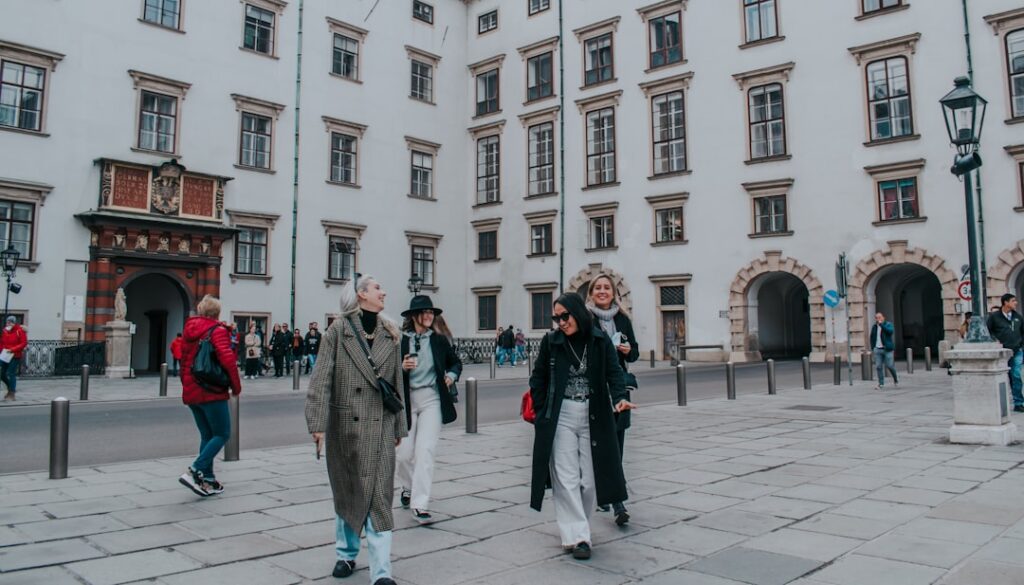
Vienna, the former capital of the Austro-Hungarian Empire, exudes imperial grandeur. Palaces like Schönbrunn and the Hofburg Palace are testaments to its rich history, while its legacy as a center for classical music, from Mozart to Strauss, resonates throughout the city.
If you’re planning a trip to Europe, finding the best flight deals can significantly enhance your travel experience. To help you navigate the often overwhelming options, you might find it useful to read an insightful article on unlocking the best deals on flights. This resource provides valuable tips and strategies that can save you both time and money, making your journey more enjoyable. For more information, check out this article on unlocking the best deals on flights.
Experiencing Europe Authentically: Connecting with the Local Pulse
| Country | Popular Cities | Average Daily Cost (USD) | Best Travel Season | Top Attractions | Language |
|---|---|---|---|---|---|
| France | Paris, Nice, Lyon | 150 | April to June, September to November | Eiffel Tower, Louvre Museum, French Riviera | French |
| Italy | Rome, Venice, Florence | 130 | April to June, September to October | Colosseum, Venice Canals, Uffizi Gallery | Italian |
| Spain | Barcelona, Madrid, Seville | 120 | May to June, September to October | Sagrada Familia, Prado Museum, Alhambra | Spanish |
| Germany | Berlin, Munich, Hamburg | 140 | May to September | Brandenburg Gate, Neuschwanstein Castle, Oktoberfest | German |
| United Kingdom | London, Edinburgh, Manchester | 160 | May to September | Big Ben, Edinburgh Castle, British Museum | English |
| Netherlands | Amsterdam, Rotterdam, Utrecht | 130 | April to May, September to November | Canal Cruises, Van Gogh Museum, Keukenhof Gardens | Dutch |
As a traveler, I’ve discovered that the most profound moments often arise from stepping outside the typical tourist bubble and seeking genuine connections. Europe’s soul is best found not just in its monuments, but in its people and their everyday lives.
Embracing Local Cuisine: Beyond the Tourist Menus
Food is a universal language, and in Europe, it’s an art form. While tourist traps might offer generic versions of local dishes, seeking out authentic eateries where locals dine is key. This might mean venturing into smaller neighborhoods or asking for recommendations.
Market Exploration: A Feast for the Senses
Visiting local food markets is an excellent way to immerse yourself in the culinary culture. The vibrant colors, the aromas of fresh produce, and the lively banter between vendors offer a sensory overload and a glimpse into the heart of a region’s food scene. I often find myself drawn to markets as they are a microcosm of local life.
Regional Specialties: Discovering Hidden Gems
Each region boasts its own culinary specialties. Researching these beforehand and actively seeking them out will lead to some truly memorable gastronomic experiences. Don’t be afraid to try something new; it’s often the unexpected flavors that linger the longest.
Engaging with Local Culture: Festivals, Traditions, and Daily Life
Europe is alive with festivals and traditions that offer a unique window into its diverse cultures. Participating in or observing these events can be incredibly rewarding. It’s like finding an unmarked door in an old building.
Seasonal Festivals: A Celebration of Heritage
From the vibrant Oktoberfest in Germany to the romantic Christmas markets across the continent, Europe’s seasonal festivals are a fantastic way to experience local culture at its most festive. These events are often deeply rooted in history and tradition.
Community Events: The Rhythm of Local Life
Look for local community events, concerts, or sporting matches. These offer an authentic glimpse into the daily rhythms of European life and provide opportunities for spontaneous interactions. It’s in these moments that you truly feel like you’re part of something, not just observing it.
Sustainable Travel: Respecting the Continent’s Treasures
As Europe’s popularity as a travel destination continues to grow, responsible and sustainable travel practices are more important than ever. We have a duty to preserve these incredible places for future generations.
Minimizing Your Footprint: Transportation and Consumption
Choosing public transport, walking, and cycling whenever possible significantly reduces your carbon footprint. Being mindful of your consumption, opting for reusable items, and avoiding single-use plastics are small but impactful actions.
Supporting Local Economies: Ethical Purchasing and Accommodation
Prioritize staying in locally owned accommodations and purchasing souvenirs from local artisans. This ensures that your travel expenditures directly benefit the communities you visit. It’s a way of investing in the places you fall in love with.
Cultural Sensitivity: Understanding and Respecting Customs
A crucial aspect of sustainable travel is cultural sensitivity. Taking the time to understand and respect local customs, dress codes, and social etiquette is paramount. Humility and an open mind are your best allies.
If you’re planning a trip to Europe and looking for ways to enhance your travel experience, you might find it helpful to explore various financing options that can make your journey more affordable. For insights on how in-house financing can empower your business, you can read this informative article. It offers valuable tips that could also be applied to personal travel budgeting. By understanding these financial strategies, you can better manage your expenses while enjoying all that Europe has to offer. Check out the article here for more details.
Navigating the Practicalities: Ensuring a Smooth European Journey
Even with the most inspiring itinerary, practical considerations can make or break a trip. I’ve learned that meticulous planning in these areas paves the way for a more enjoyable and stress-free experience.
Essential Documentation: Passports, Visas, and Insurance
Your passport is your key to unlocking Europe. Ensure it has sufficient validity remaining, and meticulously check visa requirements for any country you plan to visit, especially if you are not an EU/Schengen citizen. Travel insurance is not a luxury; it is a necessity, providing a safety net for unforeseen circumstances.
Passport Validity: The Golden Rule
Most countries require your passport to be valid for at least six months beyond your intended stay. Do not leave this to chance.
Visa Requirements: Navigating the Bureaucracy
Research visa requirements for your specific nationality well in advance. The Schengen visa is a common one for many, but there are nuances and exceptions.
Travel Insurance: Your Peace of Mind
From medical emergencies to lost luggage, travel insurance is an invaluable safeguard. It’s a small price to pay for significant peace of mind.
Health and Safety: Staying Well While Exploring
Maintaining good health and being aware of your surroundings are fundamental to a positive travel experience.
Vaccinations and Health Advice: Proactive Care
Consult your doctor about recommended vaccinations and any specific health advice for the regions you will be visiting. Pack a basic first-aid kit with essentials.
Staying Safe: Awareness and Common Sense
While Europe is generally a safe continent, petty theft can occur in tourist hotspots. Be aware of your surroundings, keep valuables secure, and trust your instincts. Research any safety advisories for your chosen destinations.
Communication and Connectivity: Staying in Touch
Staying connected is often a priority, and Europe offers various options for communication.
Mobile Roaming and Local SIM Cards: Bridging the Distance
Check your mobile provider’s roaming charges. Often, purchasing a local SIM card upon arrival can be significantly more cost-effective for data and calls.
Wi-Fi Availability: Accessing Information
Wi-Fi is widely available in hotels, cafés, and public spaces, allowing you to stay connected and access information about your travels.
Currency and Payments: Managing Your Finances
Understanding local currencies and payment methods is crucial for smooth transactions.
The Euro and Other Currencies: A Monetary Map
The Euro is the common currency in many European countries, but not all. Be aware of the local currency in each nation you visit and plan accordingly.
Credit Cards, Debit Cards, and Cash: A Balanced Approach
Major credit and debit cards are widely accepted in most establishments. However, it’s always wise to carry some local currency for smaller purchases and in areas where card acceptance might be limited. Inform your bank of your travel plans to avoid any issues with card usage.
My journey through Europe has been an ongoing education, a continuous unfolding of discovery. This guide is but a single chapter in that vast narrative. I encourage you to add your own experiences, your own unique perspectives, and to let Europe weave its magic around you. Embark on your adventure with curiosity, an open heart, and a willingness to be surprised. The continent awaits.
FAQs
What are the best times of year to travel to Europe?
The best times to visit Europe are generally during the spring (April to June) and fall (September to October) when the weather is mild, and tourist crowds are smaller. Summer (July and August) is popular but can be crowded and more expensive.
Do I need a visa to travel to Europe?
Visa requirements depend on your nationality and the countries you plan to visit. Many travelers from the US, Canada, Australia, and several other countries can enter the Schengen Area visa-free for up to 90 days. Always check the specific entry requirements for each country before traveling.
What currency is used in Europe?
The Euro (€) is the official currency in 20 of the 27 European Union countries, known as the Eurozone. Other countries in Europe use their own currencies, such as the British Pound in the UK, the Swiss Franc in Switzerland, and the Norwegian Krone in Norway.
Is it easy to travel between European countries?
Yes, traveling between European countries is generally easy due to well-developed transportation networks, including trains, buses, and budget airlines. The Schengen Agreement allows passport-free travel between many European countries, simplifying border crossings.
What languages are commonly spoken in Europe?
Europe is linguistically diverse, with over 200 languages spoken. Major languages include English, French, German, Spanish, Italian, and Russian. English is widely spoken in tourist areas and major cities across many countries.