

Exploring the tapestry of a new place often reveals its true character through the interwoven threads of its natural landscapes and cultural practices. To truly understand a destination, one must move beyond the curated tourist trails and into the rhythm of daily life, engaging with the environments that shape it and the traditions that sustain it. This approach to travel fosters a deeper appreciation for the unique essence of a locale, allowing for genuine connection and a more informed perspective.
The natural environment of a region serves as the foundational canvas upon which its culture is painted. Examining this relationship provides crucial insights into how communities have historically adapted, thrived, and interacted with their surroundings. It is through this lens that the influences of geography, climate, and available resources on human settlement and development become apparent.
Geographic Determinants
The physical layout of a landmass profoundly influences its inhabitants. Mountainous terrains, for instance, often lead to isolated communities with distinct dialects and traditions, shaped by the challenges of traversing steep inclines and the self-sufficiency required in such environments. Conversely, coastal regions may foster economies centered on fishing and trade, leading to more outward-looking cultures with established maritime connections. Rivers and fertile valleys, as historical cradles of civilization, have often supported denser populations and agricultural economies, influencing social structures and the development of complex societies.
Topography and Settlement Patterns
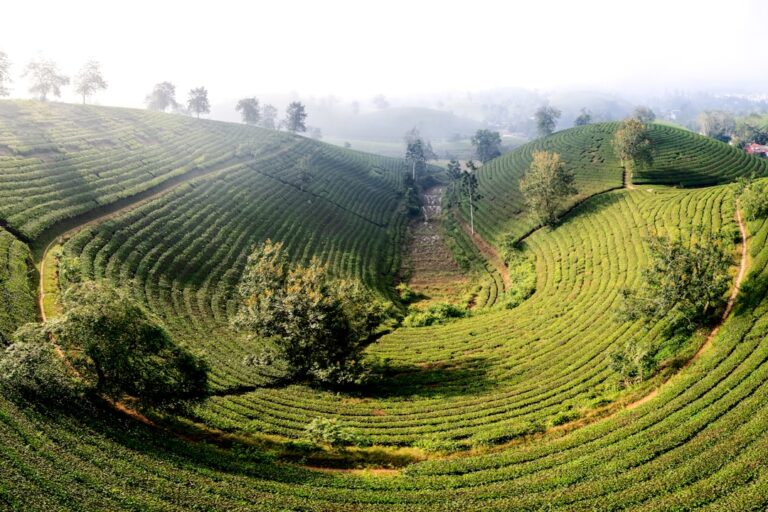
The elevation and slope of the land dictate where people can build, farm, and travel. Historically, settlements have clustered in areas offering protection from the elements, proximity to water sources, and arable land. This has led to characteristic settlement patterns, from scattered homesteads in rolling countryside to dense urban centers along major waterways. Understanding these patterns reveals the practical considerations that have guided human habitation for centuries.
Climate and Agricultural Practices
A region’s climate is a primary driver of its agricultural output and, by extension, its food traditions and economic base. Areas with long growing seasons and consistent rainfall are conducive to diverse crop production, influencing dietary staples and the development of specific farming techniques. Arid regions necessitate different approaches, often involving irrigation and the cultivation of drought-resistant crops, shaping food preservation methods and the communal efforts required for water management. These adaptations directly impact the daily lives and cultural expressions of the people.
Biodiversity and Resource Utilization
The flora and fauna of a region are not merely aesthetic elements; they represent a vital source of sustenance, materials, and inspiration for local communities. The ways in which these natural resources are managed, harvested, and integrated into daily life offer a window into a community’s relationship with its environment, reflecting an inherited wisdom or a modern approach to sustainability.
Flora as a Source of Sustenance and Medicine
Native plants often form the basis of local diets, from staple grains and fruits to foraged herbs and vegetables. Their use extends beyond culinary applications, with many plants possessing medicinal properties that have been recognized and utilized by indigenous populations for generations. Understanding these botanical uses provides insight into traditional health practices and the deep knowledge of the natural world held within a community.
Fauna and Economic Livelihoods
The animal life of a region can support a range of economic activities, from hunting and fishing to animal husbandry. These activities not only provide food but also raw materials for clothing, shelter, and tools. The cultural significance of certain animals may also be profound, appearing in folklore, religious practices, and as symbols of community identity. The historical and contemporary relationships between communities and local fauna reveal patterns of resource management and ecological interdependence.
Engaging with Local Cultural Narratives
Culture is the expression of a community’s shared history, values, beliefs, and practices. Immersing oneself in local culture goes beyond observing rituals or sampling cuisine; it involves understanding the narratives that underpin these expressions, the stories that define a group of people.
Traditional Crafts and Artistic Expressions
The creation of tangible objects, from intricate textiles to robust pottery, often carries deep cultural significance. These crafts are not simply decorative; they are repositories of history, skill, and artistic vision that have been passed down through generations. Their production methods and the symbolism embedded within them offer a direct connection to a community’s heritage.
The Art of Textile Production
The weaving, dyeing, and embroidery of textiles can be a highly localized art form, with distinct patterns, colors, and techniques emerging from specific regions. These textiles often serve functional purposes, such as clothing or household items, but they also communicate social status, marital or tribal affiliation, and religious beliefs through their intricate designs. Learning about the processes involved, the natural dyes used, and the stories behind the patterns can provide a rich cultural understanding.
Pottery and Ceramics as Historical Records
The making of pottery, using local clays and firing techniques, has been a fundamental human activity for millennia. The shapes, decorations, and functionality of ceramic vessels can reveal a great deal about a community’s diet, cooking methods, storage practices, and artistic sensibilities. Many archaeological findings of pottery provide crucial historical evidence, and contemporary pottery traditions continue to carry forward this legacy, often incorporating traditional motifs and styles.
Culinary Traditions and Their Roots
Food is a powerful cultural communicator. Local culinary traditions are shaped by geography, history, available ingredients, and social customs. Exploring these traditions offers a sensory and experiential way to connect with a community.
Local Ingredients and Seasonal Dishes
The reliance on locally sourced ingredients, dictated by climate and agricultural output, forms the bedrock of regional cuisines. Traditional dishes are often designed to utilize ingredients at their peak season, reflecting a deep understanding of the natural cycles. The preparation and consumption of these dishes are frequently tied to specific celebrations, harvests, or family gatherings, reinforcing social bonds and cultural continuity.
The Social Significance of Food Preparation and Consumption
Beyond the act of eating, the preparation and sharing of food often hold significant social and ceremonial importance. Communal cooking, shared meals, and specific dining etiquette can reveal a great deal about a community’s values, such as hospitality, respect for elders, and adherence to social hierarchies. Understanding these customs provides a nuanced perspective on human interaction.
Experiencing Local Governance and Social Structures

A community’s internal organization, its systems of governance and social hierarchies, deeply influences the daily lives of its members and the way they interact with the wider world. Observing and understanding these structures offers a realistic portrayal of the social fabric.
Traditional Forms of Decision-Making
Many communities, particularly those with strong indigenous roots, maintain traditional forms of governance that predate modern state structures. These can involve councils of elders, consensus-based decision-making processes, or leadership roles that are determined by lineage or demonstrated wisdom. Understanding these systems provides insight into how collective decisions are reached and disputes are resolved.
Consensus-Building and Elder Councils
In some societies, decisions are not made by majority vote but through a process of extensive discussion and consensus-building among community members or a designated group, such as an elder council. This approach emphasizes collective agreement and can lead to outcomes that are broadly supported and therefore more durable. Attending or learning about such discussions offers a direct view of this societal dynamic.
Mechanisms for Conflict Resolution
Every community faces challenges and disagreements. The methods employed to resolve conflicts, whether through mediation, traditional justice systems, or restorative practices, reveal a community’s underlying values and its approach to maintaining social harmony. These mechanisms are often deeply embedded in cultural traditions and reflect a respect for established norms.
Social Hierarchies and Community Roles
Societies typically exhibit certain forms of social stratification, which can be based on age, gender, occupation, lineage, or other factors. Understanding these hierarchies and the associated roles and responsibilities provides a framework for comprehending social interactions and power dynamics within the community.
Gender Roles and Their Evolution
The division of labor and the social expectations placed upon men and women vary significantly across cultures and evolve over time. Examining these roles offers insight into a community’s historical development, its economic structures, and its contemporary social challenges and progress.
Intergenerational Relationships and Knowledge Transfer
The relationship between different age groups within a community is a critical aspect of its social sustainability. The ways in which elders impart knowledge and wisdom to younger generations, and how younger generations contribute to the community, are fundamental to cultural preservation and adaptation. Observing these intergenerational exchanges highlights the continuity and evolution of community life.
Exploring Local Narratives and Belief Systems

The intangible aspects of a community – its stories, beliefs, and spiritual practices – are often the most profound indicators of its identity. Engaging with these elements requires sensitivity and a willingness to listen and learn.
Oral Traditions and Storytelling
Many cultures have rich oral traditions, where history, wisdom, and moral lessons are passed down through generations via storytelling. These narratives often encapsulate a community’s worldview, its understanding of the universe, and its moral compass.
Myths, Legends, and Folklore
These forms of narrative often explain the origins of the world, the actions of deities or ancestral beings, and the foundational principles of a society. They are not merely entertainment but serve to reinforce cultural values, provide moral guidance, and explain natural phenomena within a particular conceptual framework.
Historical Accounts and Ancestral Stories
Beyond myth, oral traditions also preserve historical accounts of migrations, conflicts, achievements, and significant events. Ancestral stories connect contemporary people to their past, reinforcing a sense of continuity and collective identity. These narratives are often held with great reverence and are central to ceremonies and communal gatherings.
Religious and Spiritual Practices
Religious and spiritual beliefs, whether organized or animistic, often permeate every aspect of community life, influencing social norms, ethical codes, and daily routines. Directly or indirectly observing and understanding these practices provides critical insight into the spiritual landscape of a people.
Rituals and Ceremonies
Life cycle events, seasonal changes, and communal undertakings are frequently marked by specific rituals and ceremonies. These practices can range from solemn rites to joyous celebrations and often involve symbolic actions, prayers, and offerings. Their performance serves to reinforce community bonds and connect individuals to the spiritual dimension.
Sacred Sites and Their Significance
Many communities identify specific natural locations – mountains, rivers, groves of trees – as sacred. These sites often hold deep spiritual meaning and are places of pilgrimage, prayer, or ceremony. Their preservation and the respect afforded to them underscore the profound connection between a community’s spiritual beliefs and its physical environment.
Sustainable Engagement and Respectful Interaction
| Local Community | Nature Experience | Cultural Activities | Local Cuisine |
|---|---|---|---|
| Village A | Guided nature walks, bird watching | Traditional dance performances, craft workshops | Local organic food, cooking classes |
| Town B | Hiking trails, wildlife spotting | Historical tours, museum visits | Regional specialties, food markets |
| Island C | Snorkeling, beach cleanups | Local festivals, art exhibitions | Seafood dishes, fruit tasting |
For exploration to be truly enriching, it must be conducted with a commitment to sustainability and respect for the local environment and its people. This means moving beyond superficial engagement and actively seeking to minimize negative impacts while maximizing positive contributions.
Minimizing Environmental Footprint
Travel, by its nature, can exert pressure on local ecosystems. Conscious choices can mitigate these impacts, ensuring that the natural beauty and resources that draw visitors are preserved for future generations and for the benefit of the local community.
Responsible Waste Management
Practices such as reducing single-use plastics, carrying reusable water bottles and bags, and properly disposing of waste are essential. Supporting local initiatives for waste reduction and recycling demonstrably benefits the environment and educates visitors on best practices.
Conserving Resources
Being mindful of water and energy consumption is crucial. This includes taking shorter showers, turning off lights and appliances when not in use, and opting for accommodations with demonstrated sustainability practices. These actions, when adopted by many, contribute significantly to resource conservation.
Supporting Local Economies and Businesses
Directly contributing to the economic well-being of a community is a key aspect of responsible travel. This involves making conscious choices about where money is spent, ensuring it benefits local people and businesses rather than external corporations.
Patronizing Local Enterprises
Choosing to stay in locally owned guesthouses or hotels, eating at family-run restaurants, and purchasing souvenirs directly from local artisans all contribute to the economic vitality of the community. This provides livelihoods and encourages the preservation of traditional crafts and culinary practices.
Engaging with Trusted Local Guides
Hiring local guides for explorations offers several benefits. They possess intimate knowledge of the area’s natural and cultural treasures, can facilitate respectful interactions with local people, and ensure that economic benefits remain within the community. Their expertise can unlock deeper understanding and a more authentic experience.
Fostering Cultural Exchange and Mutual Understanding
Genuine connection comes from reciprocal engagement, where visitors learn from and respect the local culture, and communities benefit from the broadened perspectives of visitors. This requires an open mind and a willingness to step outside one’s comfort zone.
Learning Basic Local Phrases
Making an effort to learn even a few basic phrases in the local language demonstrates respect and a genuine interest in communicating. It can open doors to more meaningful interactions and foster a sense of camaraderie.
Seeking Permission Before Photographing
Always ask for permission before taking photographs of people, especially in more traditional communities. This shows respect for individual privacy and cultural sensitivities. Some individuals or groups may prefer not to be photographed, and their wishes should be honored without exception.
By adopting a mindset of immersion and exploration that prioritizes understanding over mere observation, and respect over appropriation, one can unlock the profound rewards of engaging with local communities, weaving a richer tapestry of experience that benefits both the traveler and the visited.
FAQs
What is the importance of exploring local communities during trips?
Exploring local communities during trips allows travelers to gain a deeper understanding of the culture, traditions, and way of life of the people in that area. It also provides an opportunity to support local businesses and artisans, contributing to the local economy.
What are some ways to explore local communities during trips?
Some ways to explore local communities during trips include visiting local markets, participating in cultural activities or workshops, staying in locally-owned accommodations, and engaging with the local community through volunteering or homestays.
How can exploring local communities contribute to sustainable tourism?
Exploring local communities can contribute to sustainable tourism by promoting cultural preservation, supporting local economies, and fostering mutual respect and understanding between travelers and local residents. It also helps to reduce the environmental impact of tourism by dispersing tourist activities beyond popular tourist hotspots.
What are the potential benefits of engaging with local communities during trips?
Engaging with local communities during trips can lead to meaningful cultural exchanges, opportunities to learn new skills or traditions, and the chance to support local initiatives and sustainable practices. It can also create memorable and authentic travel experiences.
What are some considerations to keep in mind when exploring local communities during trips?
When exploring local communities during trips, it’s important to approach the experience with respect for local customs and traditions, to be mindful of the impact of your presence on the community, and to seek permission before taking photographs or participating in local activities. Additionally, it’s important to support local businesses and artisans by purchasing their products ethically.