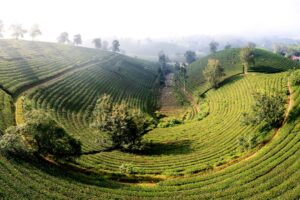


In an era defined by constant connectivity and ubiquitous modern comforts, the concept of off-grid travel, once a niche pursuit, has begun to draw a wider audience. It represents a deliberate divergence from the conveniences that have become commonplace: reliable electricity, running water, predictable climate control, and instant communication. Embracing off-grid travel requires a fundamental shift in perspective, moving from reliance on external infrastructure to a mindful engagement with natural resources and personal resourcefulness. This form of travel is not merely about discomfort; it is about a chosen recalibration, a conscious decision to experience a more foundational way of existing, even if temporarily.
The motivations for this shift are varied. For some, it’s an escape from the incessant noise of the digital world, a desire to desconectar and reconnect with oneself or with nature on a more profound level. For others, it’s a growing awareness of environmental impact and a preference for a lifestyle that minimizes one’s footprint. There is also an appeal to self-sufficiency, a desire to test one’s own capabilities and to learn skills that have been largely supplanted by technological ease. Regardless of the initial impetus, the experience of off-grid living often leaves travelers with a renewed appreciation for the very comforts they have temporarily foregone, but also with a deeper understanding of their own resilience and the fundamental elements that sustain life.
Understanding the Framework: Defining Off-Grid Travel
At its core, off-grid travel signifies a departure from conventional infrastructure. This means operating without direct access to public utilities such as the electrical grid, municipal water and sewer systems, and often, cellular or internet service. While the term “off-grid” can evoke images of remote wilderness cabins, it encompasses a spectrum of experiences. It can involve staying in intentionally designed spaces that generate their own power through solar or wind, or it might involve a more nomadic approach of utilizing portable power solutions and natural water sources, subject to local regulations.
The Spectrum of Disconnection
The degree of disconnection can vary significantly. Some off-grid travelers might opt for a partially off-grid experience, perhaps with solar-powered amenities but still with access to occasional charging points or limited internet. Others pursue complete autonomy, aiming to generate all their own power, collect and purify their own water, and manage their waste responsibly without relying on any external systems. The definition is therefore flexible, tailored to individual goals and the specific environment of travel.
Essential Elements of Self-Sufficiency
Regardless of the level of disconnection, the principles of self-sufficiency are paramount. This involves understanding and managing one’s energy consumption, securing and purifying water sources, and implementing effective waste disposal strategies. It requires a proactive and informed approach to daily living, where resource management is not an afterthought but an integral part of the experience.
Navigating Resource Management: Power and Water Independence
The absence of readily available electricity and potable water presents the most immediate challenges and opportunities in off-grid travel. Effective resource management in these areas is not just a matter of convenience; it is fundamental to the feasibility and comfort of the journey.
Harnessing Renewable Energy: Solar and Wind Solutions
For travelers aiming for a degree of energy independence, renewable energy sources are key. Portable solar panels have become increasingly efficient and accessible, allowing for the charging of devices and powering small appliances. Larger solar arrays, often integrated into vehicles or stationary accommodations, can provide more substantial power. Similarly, small-scale wind turbines can supplement solar power, particularly in locations with consistent wind patterns.
Portable Solar Setups: Flexibility for the Mobile Traveler
The advent of foldable and lightweight solar panels has revolutionized off-grid power for those on the move. These systems can be deployed at campsites, attached to vehicles, or even hung from trees, providing a constant trickle of energy to recharge batteries for phones, cameras, and laptops. The key lies in understanding one’s power needs and matching them with the appropriate panel output and battery storage capacity.
Stationary Power: Solar and Wind for Base Camps
For longer stays in a designated off-grid location, more robust solar or wind power systems can be established. This often involves larger panel arrays, battery banks for energy storage, and charge controllers to manage the flow of electricity. In some cases, small hydroelectric systems might also be an option in areas with suitable water flow.
Water Acquisition and Purification: From Source to Sip
Securing a reliable source of clean water is another critical aspect of off-grid living. This can range from utilizing rainwater harvesting systems to drawing from natural sources like rivers, lakes, or wells. However, untreated water from natural sources often contains microorganisms and contaminants that can pose health risks.
Rainwater Harvesting: A Sustainable Source
Collecting rainwater offers a relatively clean and sustainable method of water acquisition. Simple gutter systems directed into collection tanks or barrels can provide a valuable water supply. However, it is crucial to consider the materials used for collection and storage to avoid contamination and, depending on local regulations and intended use, purification may still be necessary.
Natural Water Sources and Filtration: Ensuring Potability
When drawing water from rivers, lakes, or streams, rigorous purification methods are essential. This involves a multi-step process that typically includes filtration to remove sediment and debris, followed by sterilization to eliminate harmful bacteria and viruses. Water filters, UV sterilizers, and chemical treatments are common tools employed by off-grid travelers. Understanding the local water quality and common contaminants is a vital part of this process.
Adapting to Natural Rhythms: Weather, Light, and Seasons
Living off-grid necessitates a deeper attunement to the natural world and its inherent cycles. The comforts of climate control and artificial lighting often mask these rhythms, but in an off-grid context, they become fundamental considerations for planning and daily operations.
Understanding and Responding to Weather Patterns
Weather dictates much of the off-grid experience. Extreme temperatures, heavy rainfall, or strong winds can impact energy generation, water availability, and the feasibility of outdoor activities. Travelers must be prepared to adapt their plans and routines based on prevailing weather conditions. This might involve seeking shelter during storms, adjusting clothing choices, and having contingency plans for essential tasks.
Seasonal Considerations: Planning for Extremes
The transition between seasons brings distinct challenges. Summer heat can increase energy demands for cooling (if any methods are employed) and potentially reduce water availability. Winter can bring freezing temperatures, impacting water systems and requiring more robust insulation and heating solutions. Understanding these seasonal shifts is crucial for planning trips and ensuring adequate preparation.
The Power of Natural Light: Embracing Dawn and Dusk
Without the constant availability of electric light, daylight hours become precious. Off-grid living often encourages a more natural schedule, with activities aligned with sunrise and sunset. This can foster a sense of being more in tune with the circadian rhythm, promoting better sleep patterns and a greater appreciation for the subtle shifts in light throughout the day.
Maximizing Daylight Hours: Efficiency and Intentionality
Travelers learn to maximize the daylight hours for tasks that require good lighting, such as cooking, cleaning, and repairs. Evenings may be dedicated to quieter pursuits by candlelight or low-power LED lanterns, fostering a more introspective and serene atmosphere.
Embracing Simplicity and Resourcefulness: Skills and Mindset
The most significant aspect of off-grid travel is the cultivation of a resourceful mindset and the development of practical skills. It’s about learning to make do with less, to improvise, and to find creative solutions to everyday challenges.
Developing Practical Skills: Beyond the Digital Interface
Off-grid living inherently requires a hands-on approach. This can include skills such as basic carpentry for repairs, knot tying, navigation, food preservation, and first aid. The absence of readily available services forces travelers to become more self-reliant and to acquire competencies that might otherwise be overlooked.
Food Preparation and Preservation: From Farm to Table (and Back)
Managing food supplies is a key consideration. This might involve planning meals that require minimal cooking, utilizing non-perishable items, or even engaging in food foraging (with appropriate knowledge and permissions). Techniques for preserving food, such as drying or pickling, can also be invaluable.
Waste Management: Leaving No Trace (or a Minimal One)
Responsible waste management is a cornerstone of off-grid ethics. This often involves the principles of “leave no trace,” where all waste is packed out and properly disposed of. Composting organic waste, if facilities allow, can further minimize impact. Understanding how to properly manage sewage or greywater systems, where applicable, is also crucial for environmental protection.
The Mindset Shift: Patience, Adaptability, and Resilience
Perhaps the most profound takeaway from off-grid travel is the cultivation of a new mindset. It requires patience, as tasks may take longer without modern conveniences. It demands adaptability, as plans frequently need to be adjusted due to unforeseen circumstances. And it fosters resilience, as travelers discover their own capabilities to overcome challenges and thrive in less-than-ideal conditions.
Cultivating Gratitude for the Unseen
Living without the constant hum of electricity and the immediate availability of services often leads to a profound sense of gratitude. Travelers begin to appreciate the intricate systems that support their convenience-laden lives and the effort involved in providing these basic necessities.
The Value of Slowing Down
The absence of constant digital distractions and the need for manual tasks naturally encourages a slower pace of life. This deceleration can be remarkably therapeutic, allowing for deeper engagement with the present moment and a more mindful experience of the world.
Challenges and Considerations: Preparing for the Unforeseen
While off-grid travel offers compelling rewards, it is not without its inherent challenges. Thorough preparation and a realistic understanding of these obstacles are essential for a safe and enjoyable experience.
Safety and Emergency Preparedness: The Importance of Planning
Safety is paramount in any travel, but in off-grid situations, the margin for error can be smaller. Travelers must be aware of potential hazards, such as wildlife, extreme weather, and the risks associated with resource unavailability. Having a comprehensive first-aid kit and knowledge of basic emergency procedures is non-negotiable. Establishing clear communication protocols with a trusted contact person, even if through intermittent check-ins, is also vital.
First Aid and Wilderness Medicine: Essential Knowledge for Remote Settings
Understanding how to treat common injuries and illnesses that can occur in remote environments is crucial. This includes knowledge of wound care, sprains, strains, heat exhaustion, hypothermia, and insect-borne diseases. Advanced wilderness first aid courses can provide valuable training.
Communication and Evacuation Plans: Staying Connected and Prepared
While the goal is often disconnection, having a plan for emergencies is vital. This may involve satellite communication devices or periodic check-ins with the outside world. Understanding local emergency services and having a clear evacuation plan in place can provide a critical safety net.
Legal and Environmental Regulations: Responsible Engagement with the Land
Off-grid living, especially in natural environments, is subject to various legal and environmental regulations. Understanding land ownership, permitted camping practices, fire restrictions, and waste disposal guidelines is essential to avoid legal repercussions and to minimize environmental impact. Responsible engagement with the land ensures that these beautiful places can be preserved for future enjoyment.
Respecting Local Laws and Customs: Navigating Different Jurisdictions
Different regions will have varying rules regarding land use, water rights, and waste disposal. Thorough research into the specific regulations of the area being traveled to is crucial. This also extends to respecting local customs and indigenous land rights.
Minimizing Environmental Impact: The Ethos of Leave No Trace
The principles of “leave no trace” are fundamental to responsible off-grid travel. This involves packing out all trash, minimizing campfire impacts, respecting wildlife, and being considerate of other visitors. The goal is to leave the environment as undisturbed as possible.
The Lasting Impact: Beyond the Temporary Disconnection
The experience of off-grid travel, even when temporary, often leaves an enduring mark on those who undertake it. While the allure of modern comforts may eventually draw travelers back to the familiar, the lessons learned and the perspective gained tend to persist.
A Renewed Appreciation for Modern Conveniences
After a period of living without them, the simple act of flipping a switch for light or turning a tap for hot water can be met with a surprising sense of appreciation. The ease and reliability of these systems, often taken for granted, are brought into sharp focus.
Cultivating Long-Term Habits of Mindfulness and Resourcefulness
The skills and mindset developed during off-grid travel can translate into everyday life. Travelers may find themselves more mindful of their energy and water consumption, more inclined to repair rather than replace, and more adept at finding creative solutions to problems. This can lead to a more sustainable and self-aware lifestyle.
The Enduring Appeal of Autonomy and Connection
Ultimately, off-grid travel speaks to a deep-seated human desire for autonomy and a reconnection with fundamental aspects of existence. It offers a valuable opportunity to step outside the often-overwhelming complexities of modern life and to experience a simpler, more grounded way of being, even if only for a brief period. The memories forged and the lessons learned often contribute to a richer, more resilient, and more appreciative approach to life.
FAQs
What is off-grid travel?
Off-grid travel refers to traveling to remote or isolated locations where modern amenities such as electricity, running water, and internet access are not readily available. It often involves living without modern comforts for a period of time.
What are the benefits of off-grid travel?
Off-grid travel allows individuals to disconnect from the hustle and bustle of modern life, reconnect with nature, and gain a sense of self-sufficiency. It can also provide opportunities for adventure, exploration, and cultural immersion.
What are some challenges of off-grid travel?
Some challenges of off-grid travel include limited access to basic necessities such as food, water, and shelter, as well as potential safety concerns in remote areas. Additionally, off-grid travel may require individuals to adapt to unfamiliar environments and weather conditions.
How can one prepare for off-grid travel?
Preparation for off-grid travel may include acquiring survival skills, such as navigation and first aid, as well as packing essential supplies such as food, water purification tools, and emergency communication devices. It is also important to research the destination and understand its local customs and regulations.
What are some popular off-grid travel destinations?
Popular off-grid travel destinations include national parks, wilderness areas, and remote islands. Countries with vast, unspoiled landscapes, such as Iceland, New Zealand, and Canada, are also popular choices for off-grid travel.