
Island hopping, a travel concept involving visits to multiple islands within a region, offers explorers a diverse range of natural encounters. This approach to travel allows for a focused appreciation of distinct ecosystems, geological formations, and unique biodiversity often found in isolated island environments. By moving from one island to another, travelers gain a broader perspective on the natural world, observing variations in landscapes, flora, and fauna that have evolved independently or under different environmental pressures.
Archipelagoes, collections of islands, are natural laboratories for examining environmental adaptations and evolutionary processes. Each island within an archipelago typically possesses its own distinctive characteristics, shaped by factors such as age, geological origin, proximity to larger landmasses, and prevailing weather patterns. Travelers engaging in island hopping are presented with opportunities to compare and contrast these microcosms of nature.
Geological Diversity
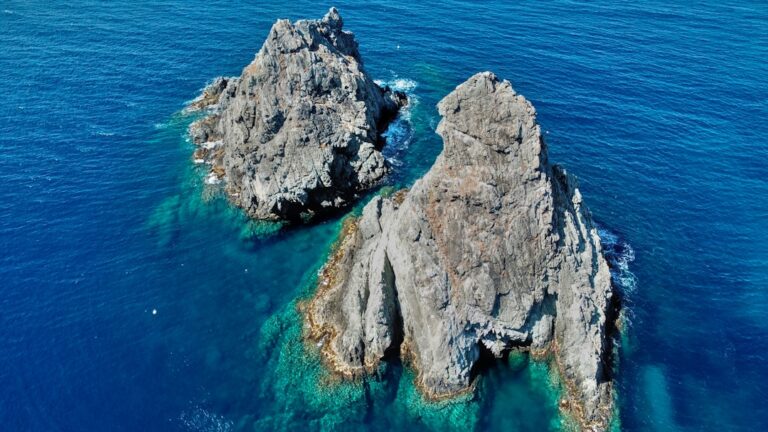
The geological origins of islands can vary significantly, leading to distinct landscapes. Some islands are volcanic, characterized by dramatic peaks, crater lakes, and black sand beaches. Others are coral atolls, low-lying rings of coral surrounding a central lagoon, indicative of ancient volcanic islands that have subsided. Yet others are continental fragments, remnants of larger landmasses, often showcasing older rock formations and more mature soil. These geological differences directly influence the types of natural habitats present.
Endemic Species and Biodiversity Hotspots
Islands are renowned for their high levels of endemism, meaning species found nowhere else on Earth. Isolation fosters unique evolutionary pathways, leading to the development of species specially adapted to their island homes. Island hopping provides a chance to observe these evolutionary marvels, from unique reptiles and birds to specialized plant life. Many archipelagoes are recognized as biodiversity hotspots due to this concentration of unique and often threatened species.
Planning an Island Hopping Expedition
Effective planning is crucial for a successful island hopping trip focused on natural exploration. Considerations include the selection of the archipelago, the optimal time of year for travel, logistical arrangements, and adherence to responsible tourism practices.
Selecting the Right Archipelago
The choice of archipelago significantly dictates the type of natural experiences available. For volcanic landscapes and unique wildlife, destinations like the Galápagos Islands or the Hawaiian archipelago are prominent choices. For coral reefs and marine biodiversity, the Maldives, Fiji, or parts of Southeast Asia may be more suitable. Temperate island groups, such as those off the coast of Scotland or within the Pacific Northwest, offer different ecosystems with their own distinct natural features. Researching the specific natural attractions of each island within an archipelago is important.
Seasonal Considerations
Weather patterns can drastically impact the natural environment and access to it. Dry seasons generally offer more predictable weather, clearer waters for snorkeling or diving, and easier access to hiking trails. Rainy seasons, while potentially disruptive, can bring lush vegetation and fewer tourists. Understanding the local climate and its influence on wildlife behavior and habitat conditions is a key aspect of planning. For instance, bird migration patterns or marine species breeding cycles can vary seasonally.
Logistical Arrangements
Transportation between islands often involves ferries, smaller local boats, or inter-island flights. The frequency and reliability of these services can vary by region. Accommodation options range from campgrounds and eco-lodges to resorts, with the choice often influenced by accessibility and the desired level of immersion in nature. Permitting requirements for protected areas or specific natural sites should be investigated in advance.
Experiencing Nature on the Islands
Once on the islands, a variety of activities allow for direct engagement with the natural environment. These activities are best approached with an understanding of local ecosystems and a commitment to minimizing impact.
Terrestrial Exploration: Trails and Vantage Points
Hiking and trekking are primary methods for exploring the terrestrial aspects of islands. Trails often lead through diverse habitats, from coastal scrublands to dense forests, and up to volcanic craters or scenic lookouts. These paths provide opportunities to observe unique flora and fauna in their natural settings. Interpretive signage, where available, can enhance the understanding of ecological processes.
Observing Endemic Flora
Island flora often exhibits remarkable adaptations to local conditions. Travelers might encounter unique tree species, unusual flowering plants, or specialized ferns. Observing differences in plant life across islands can illustrate principles of biogeography and evolutionary divergence.
Wildlife Encounters
Terrestrial wildlife on islands can range from specific bird species found nowhere else to unique reptiles, insects, and small mammals. Quiet observation is often rewarded. Understanding the habits and habitats of local species can increase the chances of significant sightings while minimizing disturbance.
Aquatic Exploration: Below and Above the Surface
Many island environments are characterized by vibrant marine ecosystems. Snorkeling, diving, kayaking, and paddleboarding offer different perspectives on these underwater worlds.
Coral Reefs and Marine Biodiversity
Coral reefs are among the planet’s most biodiverse ecosystems, supporting a vast array of fish, invertebrates, and marine mammals. Snorkeling and diving allow for direct observation of these complex communities. Adherence to responsible diving and snorkeling practices, such as avoiding contact with coral and marine life, is paramount for reef conservation.
Coastal Habitats and Marine Life
Beyond coral reefs, coastal habitats such as mangrove forests, seagrass beds, and tidal pools also teem with life. Kayaking through mangroves can offer insights into these important nursery grounds for many marine species. Observing wildlife in tidal pools provides a glimpse into the adaptations of organisms to fluctuating environmental conditions.
Conservation and Responsible Tourism
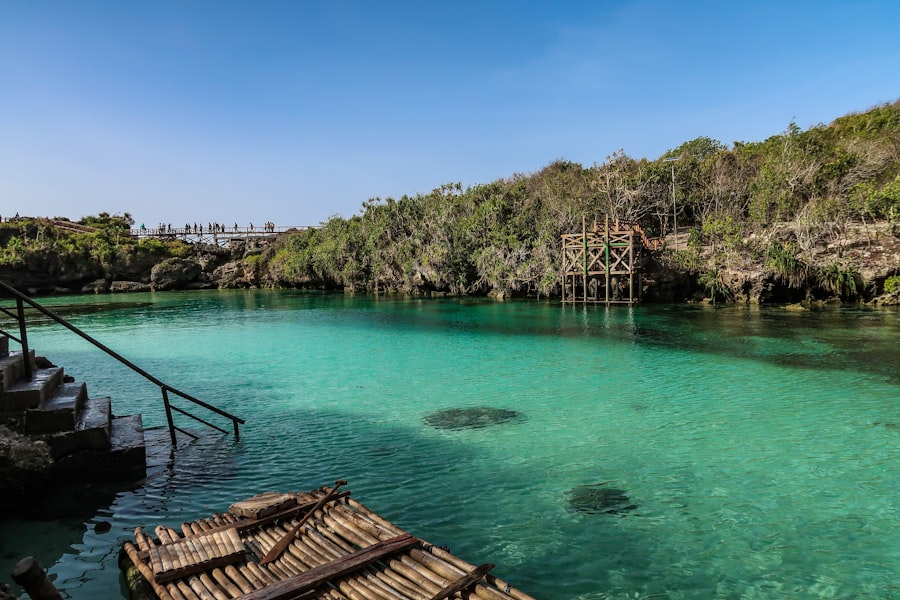
The fragile nature of island ecosystems necessitates a conscious approach to travel. Responsible tourism practices are essential to preserve these unique natural environments for future generations.
Minimizing Environmental Impact
Travelers can minimize their impact through various actions. This includes adhering to “leave no trace” principles, such as packing out all trash and staying on marked trails. Reducing water and energy consumption, and choosing eco-friendly accommodations and tour operators, also contribute to sustainable tourism.
Respecting Wildlife
Observing wildlife from a respectful distance and avoiding feeding or disturbing animals are critical. Understanding and following guidelines provided by park rangers or local guides helps protect vulnerable species, particularly those struggling against habitat loss or other threats.
Supporting Local Conservation Efforts
Engaging with and supporting local conservation initiatives can have a direct positive impact. This might involve visiting scientific research centers, participating in clean-up efforts, or purchasing from local businesses that prioritize environmental sustainability. Donations to reputable conservation organizations active in the region can also contribute to long-term preservation.
Engaging with Local Communities
Local communities often possess invaluable traditional knowledge about their natural surroundings. Engaging respectfully with local people can provide deeper insights into the ecological and cultural significance of the islands. Supporting local economies through ethical purchasing and fair trade practices further strengthens the sustainability of island tourism. Understanding local customs and traditions helps in fostering a positive exchange and mutual respect.
Island hopping, when undertaken with careful planning and a commitment to responsible, nature-focused exploration, offers a compelling method to experience the Earth’s diverse natural environments. It provides a unique lens through which to observe the evolutionary processes, ecological intricacies, and geological wonders that define island ecosystems around the globe.
FAQs
What is island hopping?
Island hopping is the practice of visiting multiple islands in a single trip, often to explore the unique natural and cultural features of each island.
What are some popular destinations for island hopping?
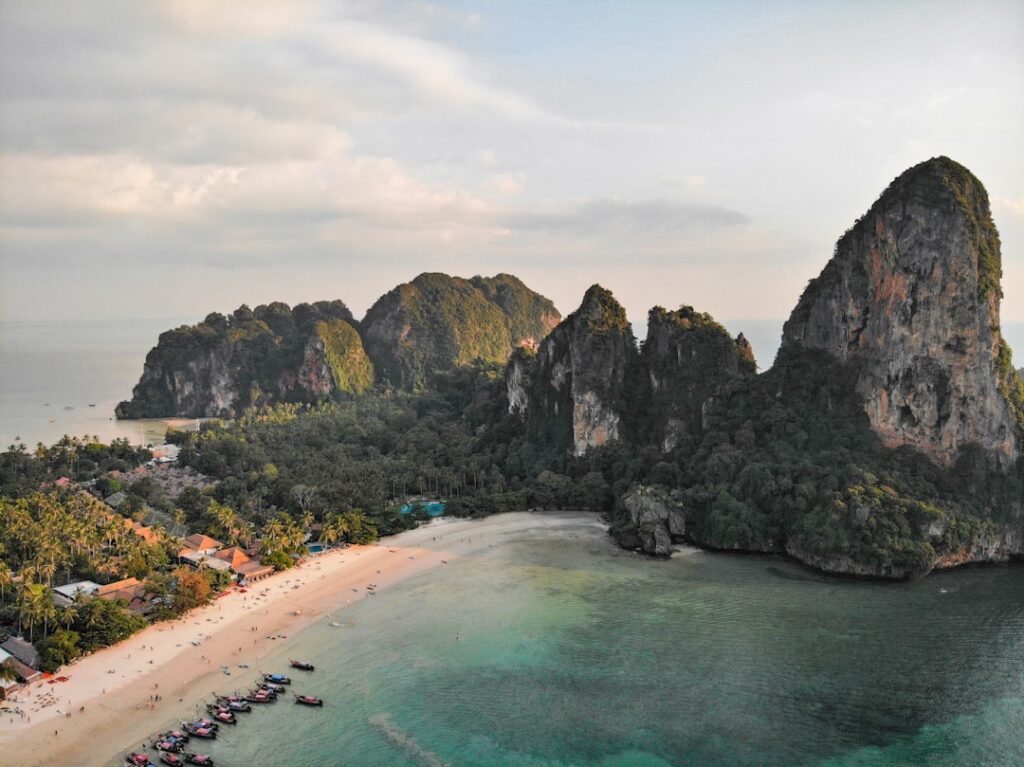
Popular destinations for island hopping include the Greek Islands, the islands of Hawaii, the islands of Thailand, and the islands of the Caribbean.
What are the benefits of island hopping?
Island hopping allows travelers to experience a variety of landscapes, ecosystems, and cultures in a single trip. It also provides the opportunity for activities such as snorkeling, hiking, and wildlife viewing.
What should I pack for an island hopping trip?
When island hopping, it’s important to pack light, breathable clothing, sunscreen, insect repellent, a reusable water bottle, and sturdy walking shoes. It’s also a good idea to bring a waterproof bag for protecting electronics and other valuables.
What are some tips for planning an island hopping trip?
When planning an island hopping trip, it’s important to research the transportation options between islands, consider the best time of year to visit each destination, and be mindful of any cultural customs or environmental regulations in place on the islands. It’s also a good idea to book accommodations and transportation in advance to ensure a smooth trip.