

The prospect of camping can be invigorating, offering a chance to disconnect from daily routines and immerse oneself in the natural environment. However, for those venturing into the outdoors for the first time, the sheer volume of available gear can prove daunting. A well-equipped camper is a safe and comfortable camper, and a thoughtful approach to selecting essential items can significantly enhance the beginner’s experience. This guide outlines the fundamental pieces of equipment necessary for a successful and enjoyable camping trip, focusing on practicality, functionality, and safety.
The primary function of a tent is to provide protection from the elements. For beginners, selecting a tent that is easy to set up, reasonably spacious, and offers adequate weather resistance is paramount. The type of camping and expected weather conditions will influence the final choice, but general guidelines can help narrow down the options.
Choosing the Right Tent Size
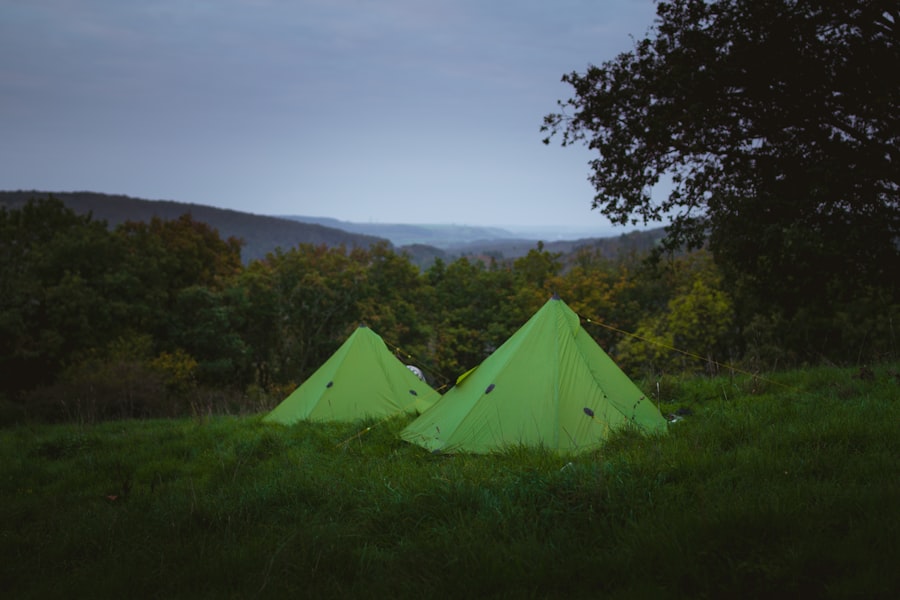
Tent sizes are typically categorized by the number of people they are designed to accommodate. While a “2-person tent” might seem sufficient for two individuals, it is often advisable for beginners to opt for a tent one size larger than their group. This provides extra space for gear, allows for more comfortable movement inside, and can be a significant advantage during adverse weather when you might be spending more time within the tent. A 3-person tent for two campers, for instance, offers a more relaxed experience. Consider the dimensions of the tent when it’s set up, often provided in the manufacturer’s specifications. This will give you a clearer picture of the usable interior space.
Tent Materials and Construction
The fabric of a tent is a critical factor in its durability and weatherproofing. Look for tents made from ripstop nylon or polyester, as these materials are generally more resistant to tears and abrasions. Water Resistance is measured in hydrostatic head ratings, which indicate how much water pressure the fabric can withstand before leaking. A minimum rating of 1500mm is generally considered suitable for most camping conditions, while higher ratings offer greater protection.
The tent’s poles are also important. Aluminum poles are lighter and more durable than fiberglass poles, though they can be more expensive. For beginner-friendly tents, durable fiberglass poles are often standard and can be perfectly adequate for casual camping. The design of the tent itself – including the number of doors, vestibules (covered areas outside the main tent body), and ventilation systems – also plays a role in its functionality and comfort. Good ventilation is crucial to prevent condensation buildup inside the tent.
Setting Up Your Tent: Practice Makes Perfect
Familiarizing yourself with your tent before your trip is essential. Set it up in your backyard or a local park to understand the pole configuration, clip system, and staking process. This practice will save you time and frustration when you arrive at your campsite, especially if you are setting up in diminishing light or inclement weather. Understanding how to properly stake down your tent using guylines (support ropes) is crucial for stability in windy conditions.
Sleeping System: Comfort and Warmth Overnight
A comfortable and warm night’s sleep is fundamental to enjoying the outdoors. The sleeping system consists of a sleeping bag and a sleeping pad, each serving a distinct but equally important purpose.
Selecting Your Sleeping Bag
The primary consideration for a sleeping bag is its temperature rating. This rating indicates the lowest temperature at which the bag is designed to keep you comfortably warm. It is generally advised to choose a bag with a rating that is a few degrees lower than the coldest temperature you anticipate encountering. Sleeping bag temperature ratings are often expressed as “comfort,” “limit,” and “extreme.” The comfort rating is the most relevant for most users, representing the temperature at which a standard woman can sleep without feeling cold. The limit rating is for a standard man, and the extreme rating is a survival temperature where hypothermia is a risk.
Sleeping bags are filled with either down or synthetic insulation. Down offers excellent warmth-to-weight ratio and compressibility but is expensive and loses its insulating properties when wet. Synthetic insulation is more affordable, performs better when damp, and is easier to care for, making it a practical choice for many beginners. The shape of the sleeping bag – mummy or rectangular – also affects its warmth and comfort. Mummy bags are contoured to your body, trapping heat more effectively, while rectangular bags offer more room to move.
The Importance of a Sleeping Pad
A sleeping pad serves two primary functions: insulation and cushioning. While a sleeping bag keeps you warm from above, the ground can draw heat away from your body. A sleeping pad acts as a barrier, preventing this heat loss. It also provides a crucial layer of comfort, insulating you from the hard, uneven terrain beneath your tent.
Sleeping pads come in various types:
- Closed-cell foam pads: These are lightweight, durable, and inexpensive. They offer good insulation but are less comfortable than other options.
- Self-inflating pads: These pads are a hybrid of foam and air. They offer a good balance of comfort, insulation, and packability. They inflate partially on their own when unrolled and can be topped up with a few breaths.
- Inflatable pads: These are the most comfortable and pack down the smallest. However, they are more prone to punctures and can be more expensive.
For beginners, a self-inflating pad often represents a good compromise between comfort, insulation, and ease of use.
Cooking and Food Preparation: Fueling Your Adventures
While some campers may opt for no-cook meals, having the ability to prepare a warm meal can significantly enhance the camping experience. Essential cooking gear includes a stove, fuel, cookware, and utensils.
Choosing a Camping Stove
For most beginner campers, a simple, portable camping stove is the most practical choice. Liquid fuel stoves and canister stoves are common.
- Canister stoves: These are very popular due to their simplicity, ease of use, and quick setup. They use pre-filled fuel canisters that screw directly onto the stove. They are lightweight and generally perform well in mild conditions.
- Liquid fuel stoves: These stoves use refillable fuel bottles and offer better performance in cold weather and at higher altitudes. They can be slightly more complex to operate but are often more fuel-efficient.
Consider the boiling time a stove achieves, its weight, and the type of fuel it uses when making your decision.
Essential Cookware and Utensils
A basic set of cookware might include:
- A pot or pan: A lightweight, nesting pot set is ideal for saving space. Look for pots with a lid that can also function as a frying pan.
- Utensils: A spork (spoon-fork combination) is a minimalist option, but a small set of durable, lightweight utensils is generally more functional. Consider a pot grabber if your pot doesn’t have a sufficient handle.
- Plates and bowls: Lightweight, durable plastic or enamelware are good choices.
- Mugs: For hot beverages.
Beyond cookware, a way to carry and prepare food is necessary. This includes resealable bags, containers, and a cutting board.
Water and Hydration: Staying Properly Fueled
Access to clean drinking water is paramount for any outdoor activity. For camping, this means either carrying all your water or having a reliable method to purify water from natural sources.
Water Filtration and Purification
If you plan to source water from streams or lakes, a water filter or purification tablets are essential safety items.
- Water filters: These mechanical devices remove bacteria and protozoa from water. They come in various forms, from simple squeeze filters to pump filters and straw-like filters.
- Water purification tablets: These chemical treatments kill viruses, bacteria, and protozoa. They are lightweight and easy to use but can leave a slight aftertaste.
Always carry a sufficient supply of water for your intended duration if you are not planning to purify water from natural sources.
Lighting and Navigation: Staying Found and Safe
Reliable lighting and an understanding of navigation are crucial for safety and convenience, especially when venturing out after dark or exploring unfamiliar territory.
Choosing Your Light Source
A headlamp is arguably the most important lighting item for campers. It leaves your hands free, which is invaluable for tasks such as setting up camp, cooking, or navigating in the dark. Look for a headlamp with adjustable brightness settings and a red light option, which is less disruptive to night vision.
In addition to a headlamp, a small LED lantern can provide ambient light within the tent or campsite. Ensure you have spare batteries for all your lighting devices.
Basic Navigation Tools
While many people rely on their smartphones for navigation, it is prudent to have a backup.
- Map and Compass: Even with the prevalence of GPS devices, understanding how to use a map and compass is a fundamental outdoor skill. Familiarize yourself with basic map reading and compass techniques before your trip.
- GPS Device or App: If you opt for electronic navigation, ensure your device is fully charged and consider a portable power bank. Download offline maps for the area you are visiting, as cell service can be unreliable in many camping locations.
Knowing your location and having the ability to orient yourself is vital for preventing getting lost and ensuring a safe return to camp.
Safety and First Aid: Preparedness for the Unexpected
| Item | Quantity | Importance |
|---|---|---|
| Tent | 1 | Essential |
| Sleeping Bag | 1 | Essential |
| Camping Stove | 1 | Important |
| Water Bottle | 1 | Essential |
| Flashlight | 1 | Essential |
Being prepared for minor injuries or unforeseen circumstances is a cornerstone of responsible camping. A well-stocked first-aid kit and knowledge of basic safety practices can make a significant difference.
Assembling a Comprehensive First-Aid Kit
Your first-aid kit should be tailored to the length and remoteness of your trip, but a basic kit should include:
- Wound care: Adhesive bandages of various sizes, sterile gauze pads, medical tape, antiseptic wipes, and an antibiotic ointment.
- Pain relief: Over-the-counter pain relievers such as ibuprofen or acetaminophen.
- Allergy relief: Antihistamines for allergic reactions.
- Blister treatment: Moleskin or blister bandages.
- Tools: Small scissors, tweezers, and safety pins.
- Personal medications: Any prescription medications you regularly take.
Consider adding items for common outdoor ailments like insect repellent and sunscreen.
Essential Safety Practices
Beyond physical gear, understanding fundamental safety practices is crucial:
- Leave No Trace principles: Familiarize yourself with the seven Leave No Trace principles, which guide responsible outdoor recreation and aim to minimize your impact on the environment.
- Fire safety: If you plan to have a campfire, understand local regulations and practice safe fire-starting and extinguishing techniques.
- Wildlife awareness: Learn about the wildlife in the area you are visiting and how to store food properly to avoid attracting animals.
- Weather preparedness: Check the forecast before and during your trip and be prepared for sudden changes in weather conditions.
- Communication: Inform someone of your itinerary, including your expected return time, and carry a whistle for signaling in emergencies.
While this guide covers essential camping gear for beginners, it is important to remember that the outdoors offers continuous learning opportunities. With careful planning and attention to detail, even a novice camper can embark on rewarding and memorable adventures into nature. Investing in quality, functional gear will contribute significantly to a positive and safe experience.
FAQs
1. What are the essential items needed for a beginner’s camping trip?
Essential items for a beginner’s camping trip include a tent, sleeping bag, camping stove, cooking utensils, first aid kit, flashlight, and appropriate clothing and footwear.
2. What type of tent is best for beginners?
A beginner should look for a simple and easy-to-set-up tent, such as a dome or cabin-style tent. It’s important to consider the size of the tent based on the number of people camping and the weather conditions.
3. What safety precautions should beginners take while camping?
Beginners should be aware of their surroundings and potential hazards, such as wildlife and weather changes. It’s important to follow campground rules, keep food stored properly, and have a first aid kit on hand.
4. How should beginners prepare for their first camping trip?
Beginners should research the campground or area they plan to visit, make a checklist of necessary items, and practice setting up their tent and using camping equipment before the trip. It’s also important to check the weather forecast and pack accordingly.
5. What are some beginner-friendly camping destinations?
Beginner-friendly camping destinations include established campgrounds with amenities such as restrooms, showers, and potable water. National and state parks often have designated camping areas suitable for beginners.