


Eco-tourism, at its core, is a form of responsible travel that prioritizes conservation of natural environments and the well-being of local communities. It is not merely about visiting natural landscapes, but about doing so with a conscious awareness of the impact of one’s presence and a commitment to mitigating negative consequences. This approach to travel seeks to foster an appreciation for the environment and cultural heritage, encouraging travelers to become stewards of the places they visit.
Defining Eco-Tourism Principles
- Environmental Conservation: A primary tenet of eco-tourism is the protection and preservation of ecosystems. This involves minimizing pollution, reducing waste, and supporting initiatives that safeguard biodiversity and natural habitats. Travelers are encouraged to observe wildlife from a distance, avoid disturbing natural processes, and refrain from collecting souvenirs that could harm local flora or fauna.
- Community Engagement: Eco-tourism places significant emphasis on benefiting local populations. This includes supporting local economies through the patronage of locally owned businesses, respecting cultural traditions, and engaging in meaningful interactions with residents. The aim is to ensure that tourism provides tangible economic and social advantages to the communities hosting visitors.
- Education and Awareness: A crucial component of eco-tourism is the educational aspect. Travelers are encouraged to learn about local ecology, conservation efforts, and cultural practices. This fosters a deeper understanding and appreciation for the destination, promoting a sense of responsibility and encouraging ongoing engagement in sustainable practices.
- Minimal Impact: This principle guides all eco-tourism activities. It advocates for minimizing the physical footprint of travel, from transportation choices and accommodation selections to on-site behaviors. The goal is to leave a place as undisturbed as possible, respecting its natural state.
Distinguishing Eco-Tourism from Other Travel Styles
- Beyond “Greenwashing”: It is important to differentiate genuine eco-tourism from marketing strategies that merely adopt an environmental facade. True eco-tourism involves a commitment to the core principles, not just superficial claims of sustainability. Travelers should be discerning and research the practices of tour operators and accommodations.
- Interconnectedness with Sustainable Tourism: While often used interchangeably, eco-tourism can be considered a subset of broader sustainable tourism. Sustainable tourism encompasses a wider range of practices aimed at long-term viability, including economic, social, and environmental considerations. Eco-tourism specifically focuses on the natural environment and its conservation.
- Authenticity over Mass Appeal: Eco-tourism often appeals to travelers seeking authentic experiences and a deeper connection with their surroundings, rather than mass-market tourism that can lead to overcrowding and environmental degradation. This preference for smaller-scale, more responsible engagement is a defining characteristic.
Planning Your Sustainable Journey
The foundation of any successful eco-tourism experience lies in meticulous planning. This phase involves making informed decisions that align with sustainable principles, from selecting destinations and transportation to choosing accommodations and activities. Proactive consideration of one’s travel footprint is essential to ensuring a positive impact.
Choosing Sustainable Destinations
- Researching Eco-credentials: Before committing to a destination, travelers should investigate its commitment to environmental protection and sustainable tourism initiatives. This can involve looking for national parks, protected areas, or regions with established eco-tourism certifications. Understanding a region’s conservation challenges can also inform travel choices.
- Considering Proximity and Accessibility: Selecting destinations that are geographically closer or more accessible via lower-impact transportation methods can significantly reduce the carbon footprint of a trip. This might involve prioritizing destinations reachable by rail or direct flights, and avoiding unnecessarily long or convoluted travel routes.
- Supporting Less-Visited Areas: Exploring destinations that are not heavily touristed can help distribute tourism benefits more widely and reduce pressure on popular, potentially over-exploited areas. This also offers a more authentic and less crowded experience for the traveler.
Selecting Responsible Tour Operators and Accommodations
- Certifications and Accreditations: Look for tour operators and accommodations that hold recognized eco-tourism or sustainable tourism certifications. These certifications often indicate adherence to specific environmental and social standards. Examples can include standards set by organizations like the Global Sustainable Tourism Council (GSTC).
- Reviewing Practices: Investigate the specific practices of potential providers. This might include how they manage waste, conserve water and energy, source local food, and engage with local communities. Websites, reviews, and direct communication can offer valuable insights.
- Local Ownership and Employment: Prioritize businesses that are locally owned and operated, as this ensures that tourism revenue remains within the community. Similarly, look for accommodations that employ and train local staff, contributing to economic empowerment.
Packing with Sustainability in Mind
- Reducing Single-Use Plastics: Bring reusable water bottles, coffee cups, and shopping bags to avoid the need for disposable items that contribute to plastic waste. Consider refillable toiletries instead of small, single-use hotel amenities.
- Choosing Eco-Friendly Toiletries: Opt for biodegradable soaps, shampoos, and sunscreens that are less harmful to aquatic ecosystems. Avoid products containing microplastics or harsh chemicals.
- Lightweight and Durable Gear: Pack light to reduce fuel consumption during transport. Choose durable, long-lasting gear that can be repaired rather than replaced frequently. Consider natural or recycled materials where possible.
On-the-Ground Practices for Minimal Impact

Once at the destination, adopting mindful behaviors is crucial to upholding eco-tourism principles. These actions, while individually small, collectively contribute to a significant reduction in environmental impact and a more respectful interaction with local cultures.
Transportation Choices
- Prioritizing Public Transport and Walking: Whenever feasible, utilize local public transportation networks, cycling, or walking. These methods are generally low-impact and provide opportunities to observe local life more intimately.
- Carbon Offsetting for Flights: For necessary flights, consider offsetting the carbon emissions generated. Many airlines and third-party organizations offer carbon offsetting programs, though it’s important to research their effectiveness and transparency.
- Efficient Vehicle Usage: If renting a vehicle, opt for fuel-efficient models or electric vehicles. Practice fuel-saving driving techniques and combine multiple errands into single trips.
Waste Management and Resource Conservation
- The “Leave No Trace” Ethos: Adhere strictly to the “Leave No Trace” principles, which advocate for packing out all trash, minimizing campfire impacts, and respecting wildlife. This applies to both natural areas and urban environments.
- Water and Energy Saving: Be mindful of water consumption by taking shorter showers, turning off taps when not in use, and reusing towels. Conserve energy by switching off lights and electronics when leaving a room and utilizing natural light where possible.
- Responsible Shopping: Purchase souvenirs from local artisans and avoid products made from endangered species or unsustainable materials. Support businesses that demonstrate ethical sourcing and production practices.
Interacting Respectfully with Wildlife and Environments
- Observing Wildlife from a Distance: Never feed or approach wild animals. Maintain a respectful distance to avoid disturbing their natural behaviors and habitats. Use binoculars or telephoto lenses for closer viewing.
- Staying on Marked Trails: When hiking or exploring natural areas, always stay on designated trails. This prevents soil erosion, protects delicate vegetation, and minimizes disturbance to wildlife corridors.
- Avoiding Harm to Flora and Fauna: Do not pick flowers, collect rocks, or remove anything from natural environments. These actions can disrupt ecosystems and harm local biodiversity.
Cultural Immersion and Community Support
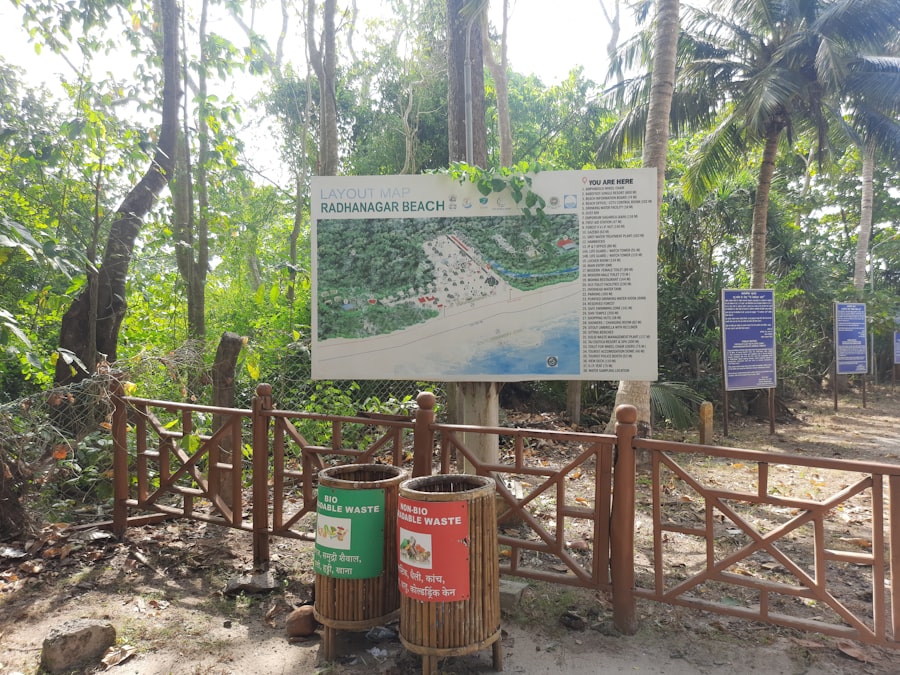
Eco-tourism is intrinsically linked to cultural respect and the betterment of local communities. Engaging with local cultures authentically and supporting local economies forms a vital part of a responsible travel experience.
Respecting Cultural Norms and Traditions
- Learning Basic Phrases: Making an effort to learn a few basic phrases in the local language demonstrates respect and facilitates more meaningful interactions.
- Dressing Appropriately: Be mindful of local dress codes, particularly when visiting religious sites or more conservative communities. Modest attire is often appreciated.
- Seeking Permission for Photography: Always ask for permission before taking photographs of people, especially children, and be sensitive to any reluctance. Respect their privacy and their right to decline.
Supporting Local Economies
- Patronizing Local Businesses: Choose to eat at local restaurants, shop at local markets, and purchase goods and services from locally owned enterprises. This ensures that tourism revenue directly benefits the community.
- Fair Wages and Working Conditions: If engaging in activities or tours that involve local guides or service providers, ensure they are being compensated fairly and work under good conditions. Research companies that prioritize ethical employment.
- Purchasing Authentic Crafts: Buy handcrafted items directly from artisans whenever possible. This provides a more direct economic benefit and ensures you are acquiring genuine cultural artifacts. Avoid mass-produced souvenirs that may undermine local craftspeople.
Engaging in Meaningful Interactions
- Openness and Curiosity: Approach interactions with local people with genuine curiosity and openness. Ask respectful questions about their lives, culture, and traditions.
- Participating in Cultural Exchange Programs: Where available, consider participating in organized cultural exchange programs. These can offer structured opportunities to learn about local life and contribute positively.
- Volunteering Responsibly: If considering volunteer work, ensure it is through reputable organizations with clear objectives and where volunteer efforts genuinely address local needs and do not displace local workers.
Educating Yourself and Others
| Destination | Carbon Footprint (kg CO2/person) | Water Usage (liters/person) | Waste Produced (kg/person) |
|---|---|---|---|
| Costa Rica | 1.5 | 250 | 0.5 |
| Galapagos Islands | 2.0 | 300 | 0.7 |
| Norwegian Fjords | 1.8 | 280 | 0.6 |
A key element of eco-tourism is the commitment to ongoing learning and fostering a greater awareness of environmental and social issues among oneself and others. This educational component extends beyond the trip itself.
Learning About Local Ecosystems and Conservation Efforts
- Pre-Trip Research: Before traveling, dedicate time to research the local ecosystem, its unique flora and fauna, and any ongoing conservation challenges and initiatives. Understanding these aspects enhances appreciation and informs responsible behavior.
- Engaging with Local Experts: During the trip, seek opportunities to learn from local guides, park rangers, conservationists, or community members. Their insights are invaluable.
- Visiting Nature Centers and Museums: Utilize visitor centers, interpretive trails, and local museums to gain a deeper understanding of the natural and cultural heritage of the region.
Promoting Sustainable Practices
- Sharing Experiences: After returning from a trip, share your experiences and knowledge with friends, family, and colleagues. Highlight the benefits of sustainable travel and encourage them to adopt similar practices.
- Advocating for Change: Support organizations and initiatives that promote eco-tourism and environmental conservation. Consider writing to elected officials or businesses to advocate for more sustainable policies and practices.
- Continuing Personal Development: Make a commitment to continuous learning about sustainability and environmental stewardship. The principles of eco-tourism can be applied to many aspects of life, not just travel.
The Long-Term Impact of Eco-Tourism
The enduring significance of eco-tourism lies in its potential to foster long-term positive outcomes for both the environment and the communities it interacts with. It moves beyond a transactional approach to travel, aiming for a regenerative and respectful engagement.
Contributing to Conservation
- Funding Protected Areas: Entrance fees and revenue generated from eco-tourism activities can directly fund the management and protection of national parks, wildlife reserves, and other natural areas. This provides essential resources for conservation efforts.
- Raising Awareness and Support: By experiencing nature first-hand and learning about conservation challenges, eco-tourists can become advocates for protected areas and sensitive ecosystems. Their experiences can inspire broader public support for environmental initiatives.
- Combating Illegal Activities: Well-managed eco-tourism can provide economic alternatives to activities that harm the environment, such as poaching or illegal logging. When local communities benefit from tourism, they have a greater incentive to protect their natural resources.
Empowering Local Communities
- Economic Development: Eco-tourism can create sustainable employment opportunities for local residents, from guides and accommodation staff to artisans selling their crafts. This diversifies local economies and reduces reliance on environmentally damaging practices.
- Cultural Preservation: By valuing and showcasing local traditions and cultural heritage, eco-tourism can help to preserve customs, languages, and traditional knowledge that might otherwise be lost. This can foster a sense of pride and ownership within communities.
- Improved Infrastructure and Services: In some cases, revenue generated from eco-tourism can be reinvested into community development projects, such as schools, healthcare facilities, or improved local infrastructure, benefiting residents beyond those directly involved in tourism.
Inspiring a Shift in Travel Culture
- Promoting Mindful Consumption: The principles of eco-tourism encourage a more conscious approach to consumption, prompting travelers to consider the origin of their food, the impact of their purchases, and the waste they generate.
- Fostering Global Citizenship: By engaging with different cultures and environments, eco-tourism cultivates a sense of global interconnectedness and responsibility. It encourages an understanding of shared environmental challenges and the need for collective action.
- Encouraging Responsibility in the Tourism Industry: The growing demand for eco-tourism influences the broader travel industry to adopt more sustainable practices. As travelers increasingly prioritize responsible options, businesses are motivated to adapt and offer more sustainable choices. This gradual shift can lead to a more ethical and environmentally conscious global tourism sector.
FAQs
What is eco-tourism?
Eco-tourism is a form of tourism that involves visiting natural areas while minimizing the impact on the environment and supporting conservation efforts.
How can I travel without harming the environment?
You can travel without harming the environment by choosing eco-friendly accommodations, supporting local conservation efforts, minimizing waste, and respecting wildlife and natural habitats.
What are some eco-friendly travel destinations?
Some eco-friendly travel destinations include Costa Rica, Iceland, New Zealand, and Bhutan, which are known for their commitment to sustainability and conservation.
What activities can I participate in during eco-tourism?
During eco-tourism, you can participate in activities such as hiking, bird watching, wildlife safaris, snorkeling, and visiting national parks and nature reserves.
How can I support eco-tourism efforts?
You can support eco-tourism efforts by choosing eco-friendly tour operators, staying in sustainable accommodations, and learning about the local culture and conservation initiatives.