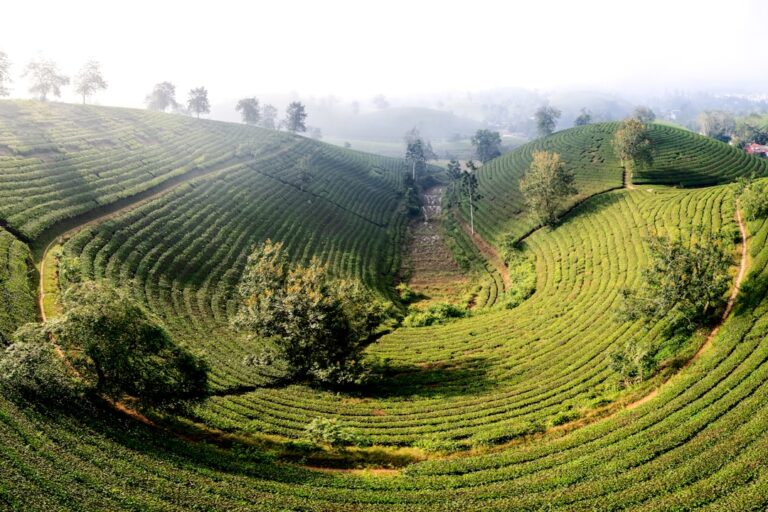


The pursuit of natural beauty often leads many to a finite list of well-trodden destinations. However, a wealth of less-publicized locations offers equally compelling, if not more intimate, encounters with the natural world. These sites, frequently overlooked in favor of their more famous counterparts, present distinct opportunities for exploration and appreciation, free from the typical crowds and commercialization. Delving into these understated reserves can offer a fresh perspective on the planet’s diverse ecosystems and geological formations.
Beyond the celebrated canyons and mountain ranges, numerous sites across the globe boast geological formations that challenge the imagination yet remain largely outside the mainstream travel discourse. These locations provide a stark reminder of the earth’s dynamic processes, often with a unique regional character.
The Fairy Chimneys of Armenia
While Cappadocia’s fairy chimneys are globally recognized, similar, albeit less-publicized, formations exist in various parts of Armenia. Regions such as Goris and Khndzoresk are home to peculiar rock pillars sculpted by millennia of erosion. These conical structures, often capped with harder rock, stand as silent sentinels, testament to the region’s volcanic past and the relentless forces of nature. Their comparative isolation offers a more contemplative experience for visitors, allowing for an undisturbed appreciation of their unique aesthetic. The geological processes at play here are identical to those in more famous locations, involving differential erosion of volcanic tuff and basalt, yet the Armenian examples offer a sense of discovery.
The Painted Hills of Oregon, USA
Part of the John Day Fossil Beds National Monument, the Painted Hills are a testament to the vivid artistry of geological stratification. Layers of volcanic ash, rich in various minerals, have oxidized over time to create a striking palette of reds, golds, blacks, and greens. Unlike some more overtly dramatic landscapes, the beauty of the Painted Hills lies in their subtle undulations and the interplay of color that shifts with the light. This destination offers a scientific narrative alongside its aesthetic appeal, illustrating millions of years of climate change and evolving ecosystems through preserved plant and animal fossils. The quiet reverence inspired by such a place is amplified by its relative obscurity.
Exploring Secluded Aquatic Environments
The allure of water, whether in the form of lakes, rivers, or coastal stretches, is undeniable. However, many exceptional aquatic landscapes are bypassed in favor of postcard-perfect destinations, leaving a significant portion of their tranquility intact for those who seek it.
The Meghalaya Living Root Bridges, India
In the humid, subtropical rainforests of Meghalaya, India, the Khasi and Jaintia tribes have, over centuries, guided the aerial roots of rubber fig trees (Ficus elastica) across chasms and waterways. These “living root bridges,” marvels of bioengineering, are not merely functional crossings but vibrant, growing ecosystems in themselves. Unlike concrete or steel structures, these bridges strengthen over time, adapting to the environment. The journey to these bridges often involves treks through dense forests, providing an immersive experience in one of the wettest places on Earth. This destination offers an insight into sustainable indigenous practices and a living example of harmonious coexistence with nature.
The Lakes of Plitvice in Winter, Croatia
While Plitvice Lakes National Park is a UNESCO World Heritage site and draws significant crowds in warmer months, its winter transformation often goes unmentioned. The cascading waterfalls freeze into intricate ice sculptures, and the turquoise waters of the lakes take on an ethereal, muted tone beneath a blanket of snow. The throngs of summer tourists dissipate, replaced by a profound quiet that allows for a different kind of engagement with the landscape. The stark beauty of frozen crystalline formations and snow-laden trees creates a serene, almost meditative atmosphere, showcasing a different facet of this renowned park’s natural splendor.
Discovering Untrammeled Forested Realms
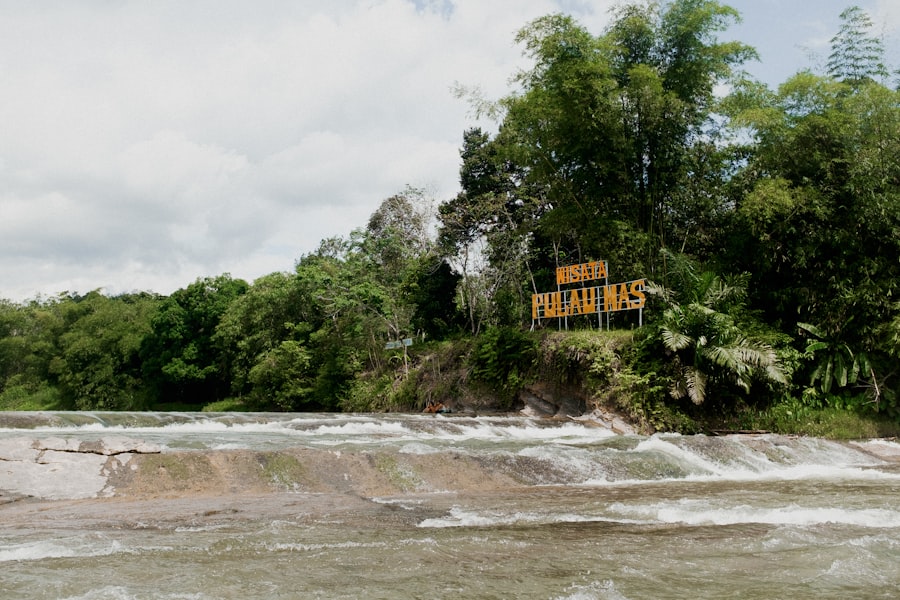
Forests, the lungs of the earth, often conceal their most profound secrets within their deepest reaches. Moving beyond well-marked trails in popular national parks reveals ecosystems that retain a greater degree of their pristine character.
The Białowieża Forest, Poland/Belarus
Spanning the border between Poland and Belarus, the Białowieża Forest is one of Europe’s last remaining primeval forests. This ancient woodland, a UNESCO World Heritage site, is home to European bison, lynx, wolves, and a rich biodiversity of flora and fauna that have largely disappeared from other parts of the continent. Unlike managed forests, Białowieża exhibits the full cycle of forest life, with ancient, decaying trees providing vital habitats for diverse organisms. Access to the strictly protected core areas is often restricted or requires specialized guides, preserving its wild character. Its significance lies not just in its age and size, but in its ecological integrity and its role as a living laboratory for understanding natural forest processes.
The Hoh Rainforest, Olympic National Park, USA (Interior Trails)
While Olympic National Park’s Hoh Rainforest is well-known, many visitors stick to the easily accessible Hall of Mosses and Spruce Nature Trails. Venturing deeper into the Hoh River Trail, however, reveals a more profound and less trodden experience of this temperate rainforest. Further along the trail, the canopy becomes denser, the silence more enveloping, and the old-growth trees appear even more monumental. The vibrant green mosses and ferns create an almost fantastical landscape, but without the immediate presence of other visitors, the scale and tranquility of the ecosystem become more palpable. This deeper exploration provides a more authentic encounter with the rainforest’s ecosystems and its immense biodiversity, free from the casual chatter of early trail segments.
Understated Mountainous Landscapes

Mountains hold an intrinsic draw for explorers, but many iconic peaks are now subject to significant human impact. However, numerous ranges and individual summits offer equally striking panoramas, often with a greater sense of solitude and immersion.
The Dolomite Alps, Italy (Off-Season)
The Dolomites, a UNESCO World Heritage site, are celebrated for their dramatic, jagged peaks, verdant valleys, and turquoise lakes. During peak summer and winter seasons, however, the trails and villages can become crowded. Visiting during the shoulder seasons (late spring or early autumn) offers a different experience. The weather can be variable, but the trails are quieter, the colors of the landscape are often more intense, and the opportunities for wildlife viewing increase. The sense of scale and majesty remains, but the fewer human interactions allow for a more personal engagement with the alpine environment. This period allows visitors to appreciate the distinctive geological features – the light-colored dolomite rock, deeply eroded by glaciers and water – without the distraction of numerous other adventurers.
The Drakensberg Mountains, South Africa (Lesser-Known Peaks)
The Drakensberg, or “Dragon’s Mountains,” boast towering basalt cliffs, deep valleys, and significant biodiversity. While popular areas like the Amphitheatre or Giant’s Castle attract many, numerous other peaks and valleys within this vast range offer equally stunning vistas and challenging hikes with considerably fewer people. Areas such as the Mnweni region or parts of the Southern Drakensberg provide opportunities for multi-day treks through unspoiled wilderness, where encounters with eland, lammergeiers, and diverse plant life are more common than other hikers. The solitude here enhances the appreciation for the raw, untamed beauty of the escarpment and its unique ecological niches, including ancient rock art sites hidden within caves.
Preserving the Wild: Ethical Exploration
| Destination | Location | Attractions | Activities |
|---|---|---|---|
| Great Sand Dunes National Park | Colorado, USA | Giant sand dunes, diverse wildlife | Hiking, sandboarding, stargazing |
| Plitvice Lakes National Park | Croatia | 16 terraced lakes, waterfalls | Hiking, boat rides, photography |
| Isle of Skye | Scotland | Dramatic landscapes, fairy pools | Hiking, wildlife watching, photography |
| White Sands National Park | New Mexico, USA | Gypsum sand dunes, unique ecosystem | Sledding, hiking, photography |
A critical aspect of visiting these less-traveled natural areas is an understanding of the responsibility that accompanies discovery. The very reason these locations remain relatively pristine is their lack of significant human impact.
Minimizing Ecological Footprint
Practicing “Leave No Trace” principles is paramount. This includes proper waste disposal, minimizing impact on trails, respecting wildlife, and leaving natural features undisturbed. The fragility of some of these ecosystems means that even seemingly minor infractions can have cascading effects. The goal should be to experience the environment without leaving any evidence of one’s presence. Knowledge of local environmental regulations and respecting protected areas is fundamental to ensuring these sites remain hidden gems for future generations.
Supporting Local Communities and Conservation Efforts
When exploring these areas, engaging with local communities can often provide deeper insights into the region’s natural and cultural heritage. Supporting local businesses for accommodation, food, or guiding services can contribute directly to the economic well-being of the inhabitants, creating an incentive for them to protect their natural resources. Additionally, researching and contributing to local conservation organizations further aids the long-term preservation of these invaluable natural settings. The objective is not just to view nature, but to contribute to its endurance.
These destinations, from geologically unique formations to secluded aquatic and forested realms, and understated mountainous vistas, represent a fraction of the world’s hidden natural treasures. Their allure lies in their relative quietude and the opportunity they present for a more genuine connection with the environment, away from the familiar paths. By seeking out these underrated spots, individuals can broaden their understanding of Earth’s natural diversity and foster a deeper appreciation for its delicate equilibrium.
FAQs
What are hidden nature spots?
Hidden nature spots are lesser-known destinations that offer natural beauty, such as secluded beaches, hidden waterfalls, and off-the-beaten-path hiking trails. These spots are often underrated and less crowded than popular tourist attractions.
Why are hidden nature spots worth exploring?
Hidden nature spots provide an opportunity for visitors to experience untouched natural beauty, away from the crowds and commercialization often found at popular tourist destinations. They offer a sense of tranquility and a chance to connect with nature in a more intimate and authentic way.
Where can hidden nature spots be found?
Hidden nature spots can be found in various locations around the world, including national parks, remote islands, mountain ranges, and coastal areas. They are often tucked away in less-traveled regions and may require some effort to reach, but the reward is a unique and unspoiled natural experience.
What activities can be enjoyed at hidden nature spots?
Visitors to hidden nature spots can enjoy a range of outdoor activities, such as hiking, birdwatching, wildlife photography, swimming, snorkeling, and camping. These spots often offer opportunities for adventure and exploration, as well as the chance to relax and unwind in a peaceful natural setting.
How can one find hidden nature spots to explore?
Researching travel blogs, guidebooks, and online resources can help travelers discover hidden nature spots in their desired destination. Local recommendations and word-of-mouth tips can also lead to uncovering hidden gems off the beaten path. Additionally, seeking out lesser-known destinations and being open to exploring new areas can lead to discovering hidden nature spots worth exploring.