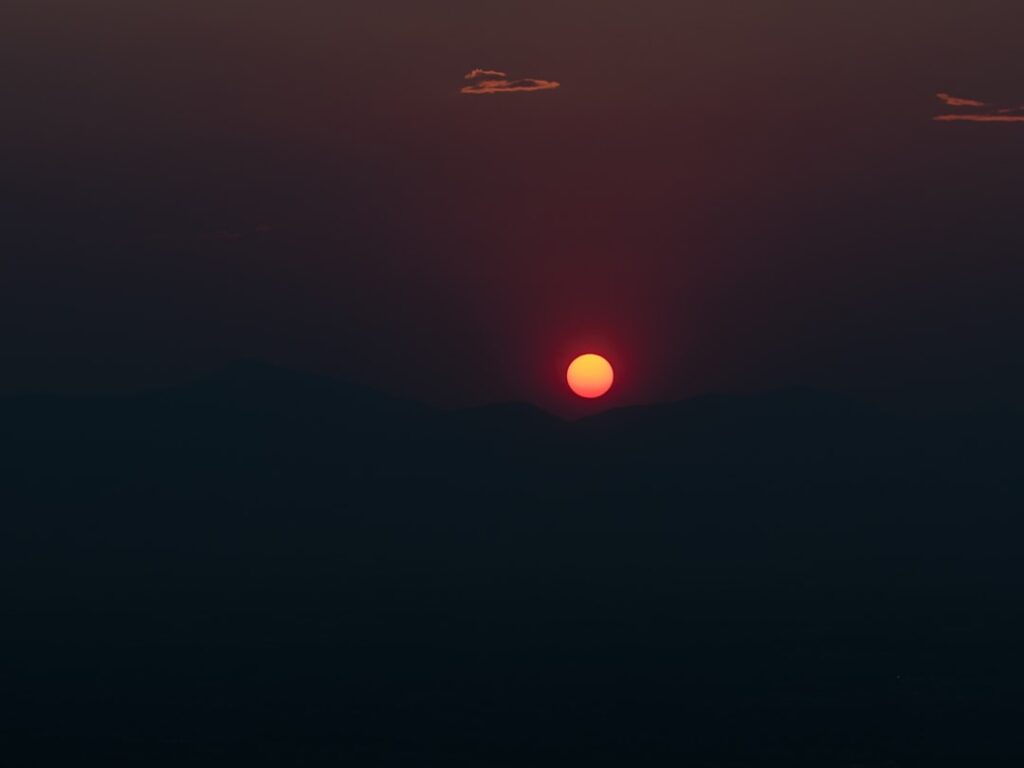

The pursuit of optimal viewing experiences for sunrise and sunset often forms a cornerstone of travel itineraries. These moments, characterized by a unique interplay of light and landscape, offer distinct photographic opportunities and a sense of natural communion. Strategic planning for such observations involves considering geographical features, accessibility, and potential for atmospheric conditions. This article explores several locations renowned for their sunrise and sunset displays, offering practical considerations for integrating them into trip planning.
The quality of sunrise and sunset views is not solely dependent on the geographical coordinates of a given location. A confluence of atmospheric conditions, topographic features, and observational angles contributes significantly.
Atmospheric Factors
Particulate matter in the atmosphere, such as dust, aerosols, and water vapor, plays a crucial role in scattering sunlight. During sunrise and sunset, sunlight traverses a greater portion of the atmosphere, causing shorter wavelengths (blue and violet) to scatter more strongly, leaving longer wavelengths (red, orange, and yellow) to reach the observer’s eye. The presence of some cloud cover, particularly thin, high-altitude clouds, can enhance these colors by reflecting and refracting the low-angle light. Conversely, dense, low-lying clouds or heavy precipitation can obscure the sun entirely. Atmospheric haze, while sometimes diminishing the sun’s sharpness, can also contribute to a softer, more diffused glow across the sky.
Topographical Influence
Elevated positions generally offer unobstructed views of the horizon, which is paramount for observing the sun’s complete ascent or descent. Mountainsides, particularly those with westward-facing slopes for sunsets and eastward-facing for sunrises, provide excellent vantage points. Similarly, coastlines and large bodies of water offer expansive horizons, with the added advantage of reflections on the water’s surface, which can amplify the visual spectacle. Flat, open landscapes, such as deserts or wide plains, can also provide impressive views, though they may lack the dramatic foreground elements found in mountainous or coastal regions.
Observational Angles and Perspective
The perceived beauty of a sunrise or sunset is often augmented by the surrounding landscape. Framing the sun within natural or architectural elements can create compelling photographic compositions. A distant silhouette of a landmark, a solitary tree, or a natural arch can transform a simple sky into a captivating scene. Consideration should be given to the direction of the sun relative to these features. Furthermore, assessing potential glare and choosing an observation point that allows for comfortable viewing without direct eye exposure to the sun is essential.
Coastal Grandeur: Sunrises and Sunsets by the Sea
Coastal locations frequently offer some of the most dynamic sunrise and sunset experiences due to their expansive horizons and the interplay of light with water.
Maui, Hawaii, USA
Maui is known for its diverse landscapes, including volcanic terrain and pristine beaches. Haleakala National Park provides a prominent location for sunrise viewing. The summit of Haleakala volcano, at over 10,000 feet, offers an unobstructed panorama above the clouds. Reservations are often required for sunrise access due to its popularity. For sunsets, west-facing beaches such as Ka’anapali or Wailea provide idyllic settings, with the sun descending over the Pacific Ocean. The changing light often paints the sky in vibrant hues, casting warm light on the volcanic islands in the distance.
- Haleakala Summit: Requires advance permit for sunrise viewing. Temperatures can be very cold; layers of clothing are recommended. Altitude sickness is a possibility for some individuals. Accessibility involves a winding drive up the volcano.
- Ka’anapali Beach: Easily accessible, with numerous resorts and amenities. Provides a wide expanse of sand for comfortable viewing.
- Wailea Beach: Known for its luxury resorts and calm waters. Offers good views with potential for green flash sightings on clear evenings.
Santorini, Greece
Santorini, an island in the Aegean Sea, is famous for its caldera views and whitewashed villages clinging to cliffs. Oia village is particularly renowned for its sunsets, drawing large crowds to its westernmost points. The spectacle of the sun dipping below the horizon, illuminating the pastel-colored buildings and the vast expanse of the Aegean, is a frequently photographed event. For sunrises, the eastern side of the island, away from the caldera, offers opportunities to see the sun ascend over the sea, often in a more tranquil setting.
- Oia Village: Extremely popular for sunset. Arrive early to secure a good viewing spot, especially during peak season. Consider alternative, less crowded viewpoints within Oia or nearby villages like Imerovigli.
- Kamari Beach: Located on the eastern side of the island. Offers a peaceful sunrise experience with views of the sunrise over the sea.
- Perissa Beach: Another eastern beach offering sunrise views, often combined with volcanic black sand beaches.
Big Sur, California, USA
The rugged coastline of Big Sur in California presents dramatic sunset opportunities. The winding Highway 1 offers numerous pull-offs and viewpoints overlooking the Pacific Ocean. The combination of towering cliffs, crashing waves, and the vast ocean provides a powerful backdrop for the setting sun. While specific designated sunrise spots are fewer, the eastern facing mountain ranges can offer picturesque dawn scenes for early risers.
- Bixby Creek Bridge: An iconic landmark offering a foreground element for sunset photography. Parking can be limited.
- Pfeiffer Big Sur State Park: Offers hiking trails and vantage points overlooking the coastline. Check for trail closures.
- Julia Pfeiffer Burns State Park (McWay Falls): While the waterfall itself is a daytime attraction, views from the trail can provide compelling perspectives of the coastline during twilight.
Mountainous Majesty: High-Altitude Spectacles
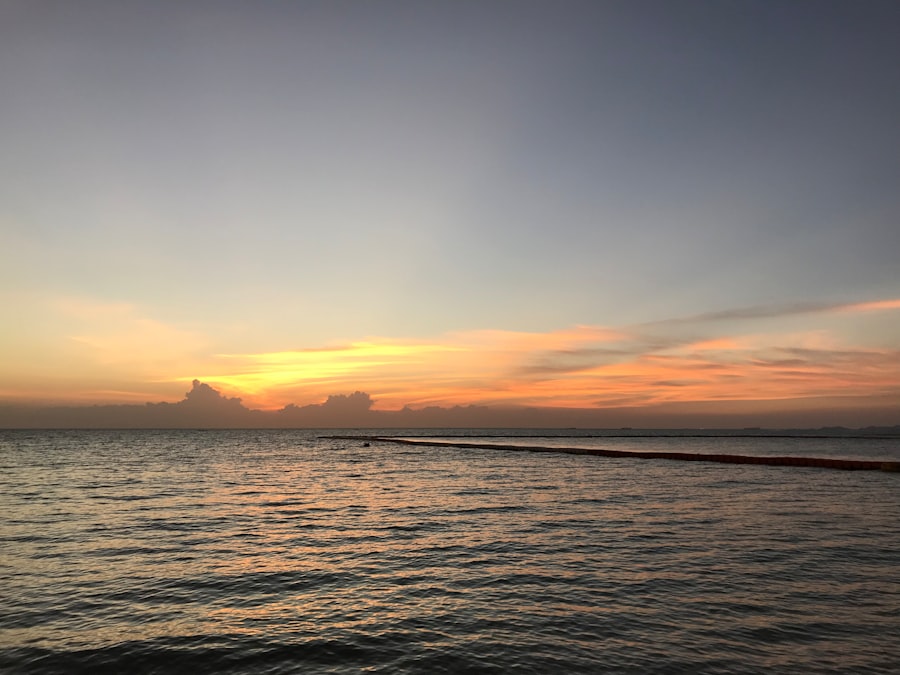
Mountains provide elevated vantage points that offer expansive, often unobstructed, views of the horizon, making them prime locations for observing the sun’s daily journey.
Banff National Park, Alberta, Canada
Banff National Park, nestled in the Canadian Rockies, offers magnificent backdrops for both sunrises and sunsets. The dramatic peaks and pristine glacial lakes create a powerful sense of scale. Lake Louise and Moraine Lake are iconic locations where the surrounding mountains reflect the early morning or late afternoon light. The play of light on the snow-capped peaks and the water’s surface creates a dynamic visual experience.
- Lake Louise: Sunrise is particularly stunning as the first light hits the Victoria Glacier. Arrive early for parking, especially in summer. Consider a canoe rental for a unique perspective.
- Moraine Lake: Similar to Lake Louise, offering breathtaking sunrise views. Road access is seasonal and can be restricted. Check park updates.
- Vermilion Lakes: Offers reflections of Mount Rundle at both sunrise and sunset. More accessible than the higher-altitude lakes.
Dolomites, Italy
The Dolomites, a UNESCO World Heritage site in Italy, are renowned for their unique, jagged rock formations. These mountains glow with a distinct “enrosadira” effect during sunrise and sunset, where the rock faces turn various shades of pink, orange, and red due to the sun’s low angle. Securing a high-altitude rifugio (mountain hut) for an overnight stay can provide unparalleled access to these phenomena, allowing observers to witness the light transformation without extensive morning or evening travel.
- Tre Cime di Lavaredo: Provides panoramic views of these iconic peaks, particularly captivating at sunset when the “enrosadira” is most pronounced. Hiking is required.
- Seceda: Accessible via cable car, offering sweeping views of the surrounding valleys and distinctive mountain formations. Best for sunset, but some areas also offer good sunrise views.
- Alpe di Siusi (Seiser Alm): Europe’s largest high-altitude alpine meadow. Offers gentle rolling hills and distant mountain views, ideal for both sunrise and sunset, especially with wildflowers in spring/summer.
Urban Vistas and Cultural Landscapes
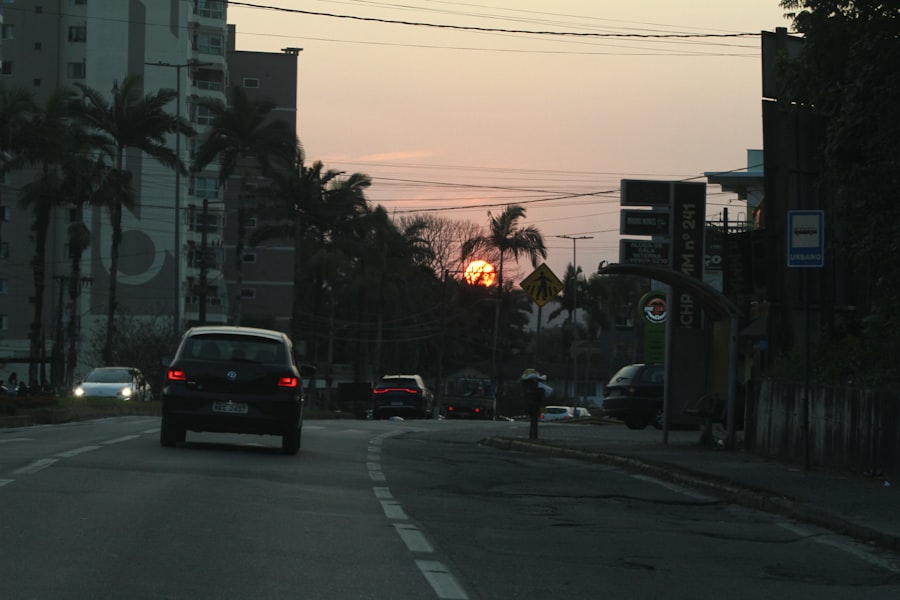
While natural settings often dominate discussions of sun observations, urban environments and locations with significant cultural landmarks can also offer unique and compelling perspectives.
Angkor Wat, Cambodia
The ancient temple complex of Angkor Wat provides a striking backdrop for sunrise. The silhouette of the five towers against the dawn sky, reflected in the shallow ponds, is a frequently sought-after photographic opportunity. While sunset is also visible, the sunrise experience is generally considered more iconic due to the eastward orientation of the main temple.
- Angkor Wat Temple: Position yourself near the reflection ponds for the classic silhouette shot. Be prepared for large crowds; arrive well before dawn.
- Srei Temple: A smaller, less crowded temple within the complex, which offers a more serene sunrise experience.
- Phnom Bakheng: A temple mount offering panoramic sunset views over the jungle and the distant Angkor Wat. Requires a moderate climb and can also get crowded.
London, England
London, though a bustling metropolis, offers several locations for observing impressive sunrises and sunsets, often with famous landmarks as foreground elements. The River Thames provides reflective surfaces and open vistas. Bridges, specific park locations, and higher viewpoints can afford diverse perspectives.
- Tower Bridge: Offers excellent photographic opportunities at both sunrise and sunset, with the sun illuminating the iconic structure and the river.
- Greenwich Park (Royal Observatory Hill): Provides panoramic views of the London skyline, including the River Thames and Canary Wharf, ideal for capturing the sun’s ascent or descent over the cityscape.
- Primrose Hill: Offers a slightly different perspective of the London skyline, with views of the Shard and other prominent buildings. Good for both civil twilight and during the golden hour.
Desert and Plain Expanses
| Location | Latitude | Longitude | Sunrise Time | Sunset Time |
|---|---|---|---|---|
| Grand Canyon, Arizona | 36.1069° N | 112.1129° W | 6:00 AM | 7:00 PM |
| Machu Picchu, Peru | 13.1631° S | 72.5450° W | 5:30 AM | 6:30 PM |
| Santorini, Greece | 36.3932° N | 25.4615° E | 6:15 AM | 7:15 PM |
Deserts and vast plains offer expansive, unhindered views of the horizon, allowing for dramatic and often colorful displays of light. The lack of significant obstructions means the full spectrum of sunrise and sunset can be observed from start to finish.
Wadi Rum, Jordan
Wadi Rum, a protected desert wilderness in southern Jordan, is characterized by towering sandstone mountains, vast red sands, and naturally formed arches. Sunrises and sunsets here paint the unique landscape in a spectrum of red, orange, and purple hues. The remote nature of the desert contributes to a profound sense of tranquility during these times.
- Seven Pillars of Wisdom: An iconic rock formation providing a striking foreground element for both sunrise and sunset.
- Dunes and Valleys: Many elevated sand dunes or rocky outcrops offer excellent viewing spots. Consider a guided tour for optimal location scouting.
- Bedouin Camps: Many camps offer overnight stays, allowing guests to experience the desert at its quietest during dawn and dusk.
Serengeti National Park, Tanzania
The vast plains of the Serengeti, renowned for their wildlife, also provide spectacular backdrops for sunrise and sunset. The acacia trees, the endless grasslands, and the presence of wildlife create a uniquely African tableau. The high-contrast light during dawn and dusk is particularly conducive to wildlife photography, adding another dimension to the viewing experience.
- Serengeti Plains: Anywhere on the open plains can provide excellent views. Choose a location with a distinctive acacia tree or kopje for framing.
- Masaai Kopjes: These isolated granite formations offer elevated viewpoints, allowing for a broader perspective of the plains.
- Balloon Safaris: Offer a unique, elevated perspective of the sunrise over the vast savannah, a truly immersive experience.
Practical Considerations for Trip Planning
Successful integration of sunrise and sunset viewing into a travel itinerary requires diligent planning and an understanding of logistical challenges.
Timing and Duration
The exact time of sunrise and sunset varies by location and time of year. Consulting reliable weather applications or astronomical websites for precise timings is crucial. Additionally, understanding the concept of civil, nautical, and astronomical twilight can inform the ideal arrival and departure times. The “golden hour” (the period shortly after sunrise or before sunset) and the “blue hour” (the twilight period just before sunrise or after sunset) offer distinct photographic opportunities with their softer, warmer, or cooler light.
Accessibility and Transportation
Consider the mode of transport required to reach your chosen viewing spot. Some locations might necessitate strenuous hiking, while others are accessible by car or public transport. Factor in travel time, especially for remote or high-altitude locations where roads might be challenging or require specific vehicle types. Parking availability and potential costs should also be factored in, particularly for popular sites.
Weather Preparedness
Weather conditions are unpredictable and can significantly impact the viewing experience. Always check local forecasts. For high-altitude or coastal locations, be prepared for temperature fluctuations, wind, and sudden changes in weather. Layered clothing, waterproof gear, and appropriate footwear are often advisable. In colder climates, hats, gloves, and insulated garments are essential.
Crowd Management
Popular sunrise and sunset spots can attract significant crowds, especially during peak seasons. Arriving early is often the most effective strategy to secure a preferred viewing spot and minimize disruption. Researching alternative, less-known viewpoints can also enhance the experience by offering a more serene environment. Some locations, particularly national parks, may require reservations or permits for entry during specific hours.
Safety and Ethics
Prioritize personal safety. Be aware of your surroundings, especially in remote areas or when navigating unfamiliar terrain in low light. Stick to designated trails and follow local guidelines. When observing wildlife, maintain a respectful distance. Adhere to “Leave No Trace” principles, carrying out all trash and minimizing environmental impact. Respect local customs and regulations, especially in culturally sensitive sites.
By carefully considering these factors, travelers can enhance their chances of witnessing and appreciating the magnificent natural phenomena of sunrise and sunset, integrating these golden hours effectively into their broader trip planning. The effort invested in preparation often yields proportionate rewards in terms of unparalleled visual experiences and lasting memories.
FAQs
What are golden hours?
Golden hours refer to the period of time just after sunrise and just before sunset when the light is softer and warmer, creating a beautiful golden glow. This light is highly sought after by photographers and is often considered the best time for capturing stunning landscapes and portraits.
Why are sunrise and sunset spots popular for travelers?
Sunrise and sunset spots are popular for travelers because they offer the opportunity to witness breathtaking natural beauty and capture stunning photographs. These moments also provide a sense of tranquility and awe, making them a memorable and peaceful experience for travelers.
How can travelers find the best sunrise and sunset spots?
Travelers can find the best sunrise and sunset spots by researching popular locations known for their scenic views, such as beaches, mountains, and national parks. Additionally, there are various apps and websites available that provide information on ideal sunrise and sunset viewing locations based on user reviews and ratings.
What should travelers consider when planning a trip around golden hours?
When planning a trip around golden hours, travelers should consider the time of year and weather conditions, as these factors can greatly impact the quality of the sunrise and sunset. It’s also important to factor in the location’s accessibility and any necessary permits or fees for visiting certain spots.
Are there any specific safety tips for travelers visiting sunrise and sunset spots?
Travelers visiting sunrise and sunset spots should prioritize safety by being mindful of their surroundings, especially in remote or unfamiliar locations. It’s important to stay on designated paths, be aware of wildlife, and bring necessary supplies such as water, snacks, and a flashlight if visiting during early morning or evening hours.