
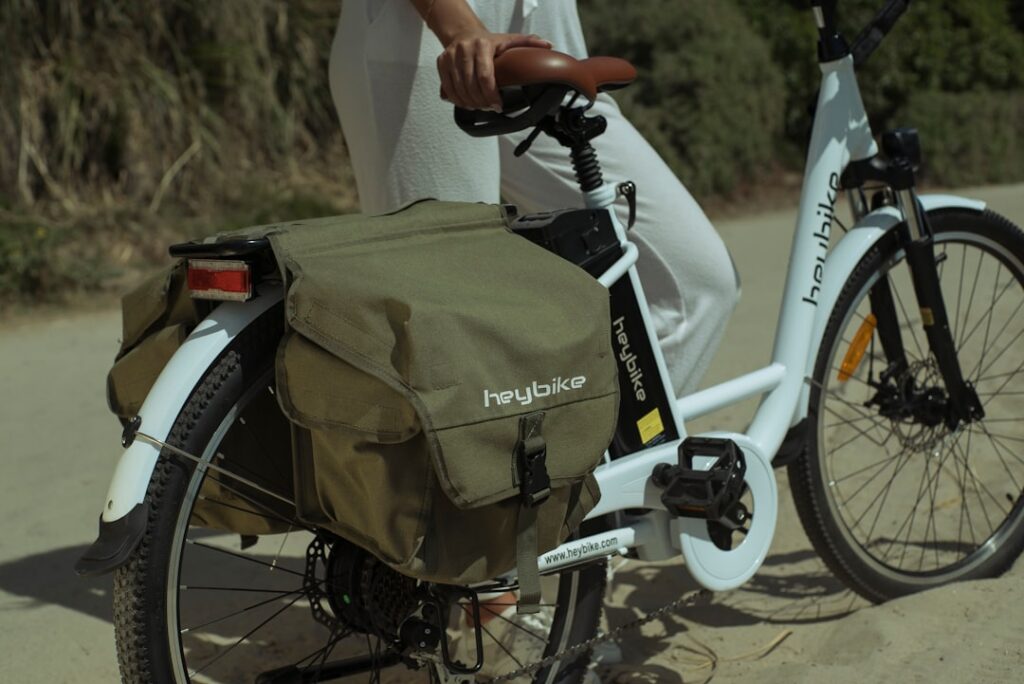

Traveling sustainably often begins with the choices made before departure, particularly concerning the gear chosen to accompany the journey. For the environmentally conscious traveler, selecting eco-friendly travel gear is not merely a trend, but a commitment to minimizing their ecological footprint. This article explores essential eco-conscious travel gear, examining the practical benefits and environmental considerations behind each recommendation.
The foundation of sustainable travel gear lies in the materials from which it is constructed. Travelers committed to reducing their environmental impact should prioritize products made from recycled, upcycled, organic, or sustainably sourced components. Synthetic materials, while often durable, can pose environmental challenges due to their production processes and biodegradability issues.
The Role of Recycled Plastics (rPET)
Recycled polyethylene terephthalate (rPET), derived from post-consumer plastic bottles, has become a cornerstone in eco-friendly gear. Its use in fabric production diverts plastic waste from landfills and oceans, reducing the demand for virgin petroleum-based materials. For travelers, this translates into durable, water-resistant fabrics suitable for backpacks, luggage, and clothing. The energy savings associated with rPET production can be substantial compared to manufacturing new plastics, further enhancing its appeal as a sustainable choice. When evaluating rPET products, it is prudent to consider the percentage of recycled content, as some items may only incorporate a small proportion.
Organic and Natural Fibers
For items closer to the skin, such as clothing or sleep accessories, organic cotton, hemp, and bamboo are preferred options. Organic cotton is cultivated without synthetic pesticides or fertilizers, reducing the environmental harm associated with conventional farming practices. Hemp is a particularly robust and low-impact crop, requiring minimal water and no pesticides, and its fibers are known for their strength and breathability. Bamboo, while growing rapidly and requiring little irrigation, often undergoes chemical processing to convert it into fabric, which travelers should be aware of. Certification standards, such as GOTS (Global Organic Textile Standard), provide assurance regarding the organic integrity of these materials.
Upcycling and Innovative Materials
Beyond traditional recycling, some brands are embracing upcycling, transforming discarded materials into new products without degrading their quality. This approach often involves creative repurposing, turning items like old sails or advertising banners into unique, durable bags. Furthermore, the travel industry is witnessing the emergence of innovative, bio-based materials, such as those derived from agricultural waste or plant fibers, which offer promising alternatives to traditional synthetics. These materials are often biodegradable or compostable, addressing end-of-life concerns.
Essential Eco-Friendly Luggage and Backpacks
The primary vessel for any journey, luggage, presents a significant opportunity for sustainable choices. Travelers should consider both the materials and the durability of bags to ensure longevity and minimize the need for frequent replacements.
Backpacks Made from Recycled or Durable Materials
For extended treks or urban exploration, a backpack constructed from recycled materials, such as rPET or salvaged industrial fabrics, is a practical choice. Brands increasingly highlight the recycled content in their product specifications, often detailing the number of plastic bottles used. Beyond material composition, the durability of the backpack’s construction, including robust zippers, reinforced seams, and tear-resistant fabrics, contributes to its sustainability by extending its lifespan. A well-constructed bag will withstand years of use, reducing the overall consumption of resources associated with manufacturing new products. Furthermore, modular designs that allow for repair or replacement of individual components further enhance a bag’s sustainability.
Eco-Conscious Suitcases and Duffel Bags
For travelers requiring larger capacities, suitcases and duffel bags with sustainable attributes are available. These often feature hardshell exteriors made from recycled plastics or soft-sided designs utilizing recycled fabrics. Companies are also exploring innovative materials like plant-based polymers for hardshell cases. Wheels and handles, components that typically experience significant wear, should be robust and, ideally, repairable or replaceable. Some brands offer repair services or provide spare parts, aligning with a circular economy model. The weight of luggage also plays a role in sustainability; lighter bags can reduce fuel consumption during transport.
Packable Daypacks and Tote Bags
For daily excursions at a destination, a compact, packable daypack or reusable tote bag made from sustainable materials is essential. These items minimize the need for single-use plastic bags, a common source of environmental pollution. Daypacks made from lightweight recycled nylon or organic cotton are convenient for carrying essentials while exploring. Foldable tote bags, especially those made from durable organic cotton or hemp, can serve multiple purposes, from grocery shopping to carrying souvenirs, further reducing waste.
Sustainable Apparel for the Ethical Traveler

Clothing choices can significantly impact a traveler’s ecological footprint. From the materials to the manufacturing processes, opting for sustainable apparel is a tangible way to practice responsible travel.
Organic and Natural Fiber Clothing
When selecting travel attire, prioritizing clothing made from organic cotton, hemp, or Tencel (lyocell) is recommended. These materials offer breathability, comfort, and durability while minimizing environmental impact during production. Organic cotton, free from harmful pesticides and chemical fertilizers, supports healthier ecosystems and reduces water pollution. Hemp, known for its strength and antimicrobial properties, is an excellent choice for travel, as it is naturally resistant to odors. Tencel, derived from sustainably sourced wood pulp, is produced in a closed-loop system, minimizing waste and chemical use.
Recycled Fabric Apparel
Many travel clothing brands now incorporate recycled polyester or nylon into their fabric blends, particularly for performance wear. These materials offer the benefits of moisture-wicking and quick-drying properties while diverting plastic waste. When choosing recycled fabric apparel, travelers should look for products with a high percentage of recycled content. Furthermore, considering garments designed for durability and longevity, with reinforced stitching and robust construction, extends their useful life and reduces the frequency of replacements.
Layering and Versatile Clothing
A sustainable approach to travel clothing also involves selecting versatile pieces that can be layered and mixed-and-matched, reducing the total number of items needed. This minimizes laundry, water usage, and the overall volume of clothes. Fast-drying fabrics are particularly beneficial for travelers aiming to reduce water and energy consumption by hand-washing clothes and air-drying them. Items with features such as convertible sleeves or multi-functional designs further enhance versatility.
Eco-Friendly Toiletries and Personal Care Items

Reducing waste from personal care products is a straightforward way to enhance sustainable travel practices. Travelers can minimize plastic waste and chemical runoff by making conscious choices in this category.
Solid Toiletries and Refillable Containers
Opting for solid alternatives to liquid toiletries, such as shampoo bars, conditioner bars, and soap bars, significantly reduces plastic bottle waste. These products are also often more concentrated, lasting longer than their liquid counterparts. For any liquid toiletries still desired, using refillable travel-sized containers is encouraged. Travelers can purchase full-sized products at home and decant them, avoiding the purchase of single-use mini bottles. Many zero-waste stores offer bulk refills for a variety of personal care items.
Biodegradable and Non-Toxic Products
When exploring natural environments, such as beaches or wilderness areas, using biodegradable and non-toxic personal care products is crucial to prevent contamination of ecosystems. Sunscreens, insect repellents, and soaps should be reef-safe and free from harsh chemicals that can harm aquatic life. Travelers should look for certifications or clear ingredient lists that indicate eco-friendly formulations. Packaging made from recycled or compostable materials also contributes to a product’s overall sustainability.
Reusable Personal Care Items
Replacing disposable items with reusable alternatives significantly reduces waste. This includes using a bamboo toothbrush instead of a plastic one, opting for reusable cotton rounds or menstrual cups instead of disposable products, and carrying a refillable water bottle and travel mug. A reusable safety razor can replace disposable plastic razors, further minimizing plastic waste. These small changes collectively contribute to a substantial reduction in landfill waste over time.
Sustainable Travel Accessories and Essentials
| Item | Description | Material | Benefits |
|---|---|---|---|
| Reusable Water Bottle | Avoid single-use plastic bottles by using a durable, refillable water bottle. | Stainless steel, glass, or BPA-free plastic | Reduces plastic waste and saves money on bottled water. |
| Solar-Powered Charger | Charge your devices using renewable solar energy while on the go. | High-efficiency solar panels | Reduces reliance on traditional electricity sources and decreases carbon footprint. |
| Bamboo Utensil Set | Carry a reusable utensil set to avoid disposable plastic cutlery. | Sustainably sourced bamboo | Eliminates single-use plastic utensils and promotes sustainable forestry. |
| Organic Cotton Travel Towel | A lightweight and quick-drying towel made from organic cotton. | Organic cotton | Reduces water usage and supports organic farming practices. |
Beyond the major categories of luggage and clothing, various smaller accessories offer opportunities for sustainable choices, enhancing both the journey and the destination experience.
Reusable Water Bottles and Coffee Cups
One of the most impactful sustainable travel practices is the use of a reusable water bottle and a travel coffee cup. This eliminates the need for single-use plastic bottles and disposable coffee cups, which are significant contributors to global waste streams. Many airports, train stations, and public places now offer water refilling stations. Insulated bottles keep beverages hot or cold for extended periods, enhancing their practicality. Collapsible cups are a space-saving option for minimalist travelers. Choosing bottles made from durable materials like stainless steel or BPA-free plastic ensures longevity.
Solar Chargers and Power Banks
For travelers in remote areas or those seeking to reduce their reliance on grid electricity, portable solar chargers and power banks offer sustainable energy solutions. Solar chargers can harness sunlight to power devices, reducing the carbon footprint associated with electricity generation. Power banks, especially those with high-capacity batteries, can store energy for later use, ensuring devices remain charged without continuous access to outlets. Prioritizing power banks made from recycled plastics or with long battery life aligns with sustainable principles.
Packable Reusable Shopping Bags
Carrying a compact, reusable shopping bag made from organic cotton, hemp, or recycled materials is a simple yet effective way to avoid plastic bags at destinations. These bags are versatile for groceries, souvenirs, or carrying daily essentials, contributing to a reduction in single-use plastic consumption. Many are designed to fold into small pouches, making them easy to carry in a pocket or daypack.
Lightweight and Durable Sleep Accessories
For travelers using public transport or staying in various accommodations, a lightweight and durable travel pillow or sleep mask made from sustainable materials can enhance comfort without compromising ecological values. Pillows made from organic cotton or natural latex, and sleep masks crafted from organic silk or recycled fabrics, offer comfortable and eco-conscious options. These items should be designed for regular use and easy cleaning to maximize their lifespan.
In conclusion, the adoption of eco-friendly travel gear is an integral component of sustainable travel. By thoughtfully selecting items made from recycled, organic, or sustainably sourced materials, and by prioritizing durability, versatility, and reusability, travelers can significantly reduce their environmental footprint. These choices not only contribute to a healthier planet but also often result in more robust, functional, and long-lasting gear, enhancing the overall travel experience for responsible adventurers.
FAQs
What is sustainable travel gear?
Sustainable travel gear refers to products and items that are designed and produced with minimal impact on the environment. This can include items made from recycled materials, products that are biodegradable, and items that are designed to be long-lasting and durable to reduce waste.
What are some examples of sustainable travel gear?
Examples of sustainable travel gear include reusable water bottles, eco-friendly toiletry bags, solar-powered chargers, biodegradable sunscreen, and luggage made from recycled materials. These items are designed to minimize environmental impact while traveling.
Why is sustainable travel gear important?
Sustainable travel gear is important because it helps reduce the environmental impact of travel. By using eco-friendly products, travelers can minimize waste, reduce their carbon footprint, and support companies that prioritize sustainability in their production processes.
Where can I find sustainable travel gear?
Sustainable travel gear can be found at eco-friendly retailers, outdoor gear stores, and online marketplaces. Many companies now offer a range of sustainable travel products, making it easier for eco-conscious travelers to find the gear they need.
How can I ensure that my travel gear is sustainable?
To ensure that your travel gear is sustainable, look for products that are made from recycled materials, biodegradable, or certified by eco-friendly organizations. Read product descriptions and labels carefully to understand the environmental impact of the items you are purchasing.