
Exploring Nature on a Budget: Backpacking Travel Ideas
For many, the allure of nature is strong. The grandeur of mountains, the serenity of forests, and the vastness of coastlines offer a compelling escape from urban life. However, the perception of nature exploration often comes with a hefty price tag, associated with expensive gear, guided tours, and luxury lodges. This article aims to debunk that myth by presenting practical and budget-friendly backpacking travel ideas, demonstrating that experiencing the natural world can be accessible to a wider audience. The focus here is on strategic planning, resourceful choices, and a willingness to embrace simplicity, allowing for deeper immersion in natural environments without financial strain.
Budget backpacking for nature exploration is not about deprivation; it’s about intentionality. It involves prioritizing experiences over material comforts and understanding that the most profound connections with nature often stem from simple pleasures and mindful engagement.
Defining Your “Budget” and “Nature”
Before embarking on any journey, a clear understanding of personal financial limitations is crucial. This doesn’t necessitate a strict numerical limit, but rather a realistic assessment of what can be allocated to travel. Simultaneously, defining what “nature” means to the individual is important. Is it the rugged backcountry requiring extensive wilderness skills, or the accessible trails of national and state parks? This definition will influence the type of destinations, gear requirements, and overall travel style. For instance, someone primarily interested in accessible hiking and scenic viewpoints might have different budgeting needs than someone aiming for multi-day remote trekking.
The Power of Minimalist Gear
The stereotype of a backpacker burdened with expensive, cutting-edge equipment is often an exaggeration. While some specialized gear is invaluable for safety and comfort in certain environments, a significant portion of a backpacker’s kit can be acquired affordably. The emphasis should be on multi-functional, durable items rather than brand names.
Essential Gear on a Shoestring
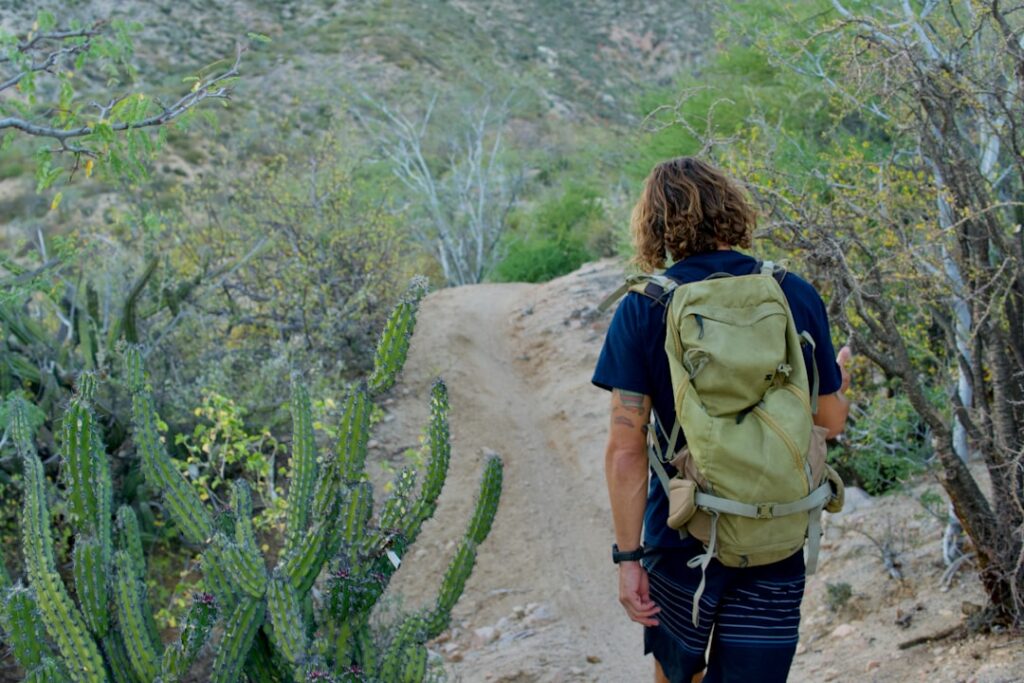
- The Backpack: A medium-sized, used backpack from a reputable brand can often be found at a fraction of the cost of a new one. Look for solid construction, comfortable straps, and adequate capacity for multi-day trips. Secondhand outdoor gear stores and online marketplaces are excellent resources.
- Shelter: Tent costs can range widely. For budget travel, a lightweight, durable tent designed for two people is often sufficient and cost-effective. Alternatively, consider a bivy sack or a tarp for highly primitive camping, though this requires more skill and careful site selection. Rental options can also be explored if purchasing outright is not feasible for a single trip.
- Sleeping System: A sleeping bag rated for the expected temperature range is essential. Down bags are lighter and more compressible but more expensive. Synthetic fill sleeping bags offer good value and perform better when damp. Used sleeping bags can be a gamble, so inspect them thoroughly for damage and cleanliness. A sleeping pad, while not strictly essential, significantly improves comfort and insulation; foam pads are the most budget-friendly option.
- Cooking and Food: A simple, portable stove (e.g., an integrated canister stove) is a worthwhile investment. Reusable water bottles and a water filter or purification tablets eliminate the need to constantly buy bottled water. Dehydrated meals are convenient but can be costly. Repackaging dry goods like pasta, rice, oats, and nuts into resealable bags is a far more economical approach. Learning to prepare simple, high-energy meals is a key skill for budget backpacking.
Prioritizing Durability Over Latest Models
Investing in gear that lasts is more economical in the long run. While the latest models boast advanced features, older, well-maintained versions of tents, backpacks, and sleeping bags can provide excellent performance at a lower price. The goal is functionality and longevity, not trendiness.
Strategic Destination Selection for Affordability
The choice of destination plays a significant role in the overall cost of a nature-focused backpacking trip. Some natural areas are inherently more expensive to access and navigate than others.
Leveraging Public Lands and National Parks
Many countries offer extensive networks of public lands, including national parks, national forests, and state parks, which are often accessible with minimal or no entrance fees, especially for day use. These areas frequently feature well-maintained trail systems, designated campgrounds, and opportunities for dispersed camping with the proper permits.
Free or Low-Cost Entry Points
- National Forests: In countries like the United States, National Forests offer vast wilderness areas with opportunities for dispersed camping (camping outside designated campgrounds) often for free. This requires understanding Leave No Trace principles and local regulations.
- State Parks and Nature Reserves: Many state and regional parks provide affordable camping options and well-maintained trails. Researching these local gems can reveal incredibly beautiful and accessible natural areas close to home.
- Bureau of Land Management (BLM) Lands: In certain regions, BLM lands offer extensive opportunities for dispersed camping and exploration, often with extremely low or no fees.
Exploring Lesser-Known Natural Wonders
Popular national parks, while stunning, can be crowded and expensive due to high demand. Seeking out less-hyped but equally beautiful natural areas can lead to more peaceful and budget-friendly adventures. This involves delving into regional guides, online forums, and local recommendations.
Off-the-Beaten-Path Trails and Regions
- Regional and Local Parks: Don’t overlook the natural beauty in your own backyard or within a few hours’ drive. Smaller regional parks and nature preserves often offer excellent hiking and camping with significantly lower costs and fewer crowds.
- Off-Season Travel: Visiting popular natural destinations during their shoulder seasons (spring and fall) can dramatically reduce accommodation and travel costs, as well as the number of people encountered. This also often provides excellent weather conditions for hiking.
- Community-Run Nature Centers: Many smaller towns and communities have nature centers that offer educational programs and access to local trails, frequently at little to no cost.
Understanding Transportation Costs
Getting to your chosen natural destination is often one of the largest expenses. Therefore, minimizing transportation costs is paramount for budget backpacking.
Carpooling and Public Transit
- Carpooling with Friends: Pooling resources with fellow nature enthusiasts to share fuel costs and parking fees can significantly reduce individual expenses.
- Public Transportation Networks: In some regions, extensive bus and train networks can connect you to trailheads or gateway towns. This requires more planning but can be a viable and eco-friendly option.
- Hitching Rides: While this method carries risks and requires careful consideration of safety, hitchhiking can be an option in certain contexts and from designated pick-up points, particularly in remote areas where public transport is scarce.
Budget-Friendly Accommodation in Nature
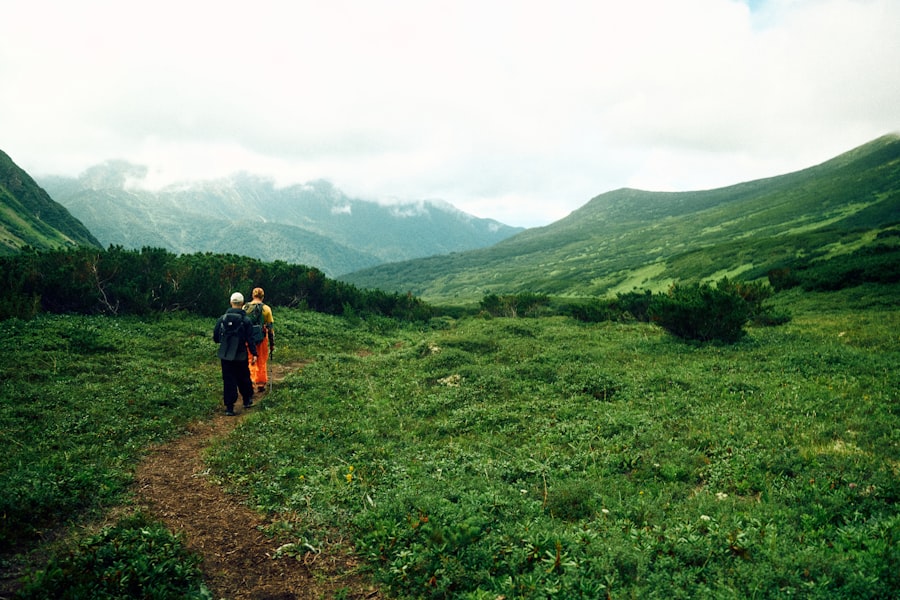
Beyond the campsite, other affordable accommodation options exist for the nature-loving backpacker.
Embracing Dispersed and Primitive Camping
Dispersed camping, where permitted, allows backpackers to camp in undeveloped areas outside of designated campgrounds. This offers unparalleled solitude and freedom, often without a fee.
Rules and Etiquette for Dispersed Camping
- Know Local Regulations: Always research and adhere to local rules regarding fire restrictions, camping duration, and designated areas.
- Leave No Trace: Strict adherence to Leave No Trace principles—including proper waste disposal, minimizing campfire impacts, and respecting wildlife—is essential for preserving these fragile environments.
- Water Sources: Proximity to a reliable water source is a critical consideration for dispersed camping.
Utilizing Backcountry Huts and Shelters
In some mountainous or wilderness regions, established backcountry huts or shelters offer a more primitive but still sheltered option compared to tents. These are often managed by local outdoor clubs or park services and come with a small usage fee.
Shared Spaces and Communal Living
- Reservations: Many huts and shelters require advance reservations, especially during peak seasons.
- Shared Responsibilities: Be prepared for communal living, including shared cooking areas and the responsibility for cleaning and maintaining the facility.
- Basic Amenities: Expect basic amenities, such as sleeping platforms and often a wood-burning stove, but not necessarily running water or electricity.
The Value of Free Camping Options
Some locations offer truly free camping, often in designated primitive sites. These are less common but can be discovered through thorough research and local knowledge.
Identifying Free Camping Spots
- Recreation.gov and Similar Platforms: While often associated with paid campgrounds, these platforms can sometimes list free primitive camping areas.
- Local Outdoor Clubs and Forums: Members of these groups often share information about lesser-known free camping opportunities.
- Roadside Camping: In some areas, designated pull-offs or undeveloped side roads may allow overnight parking and camping, though this is highly location-dependent and requires careful observation of signage.
Nourishing the Body on a Budget
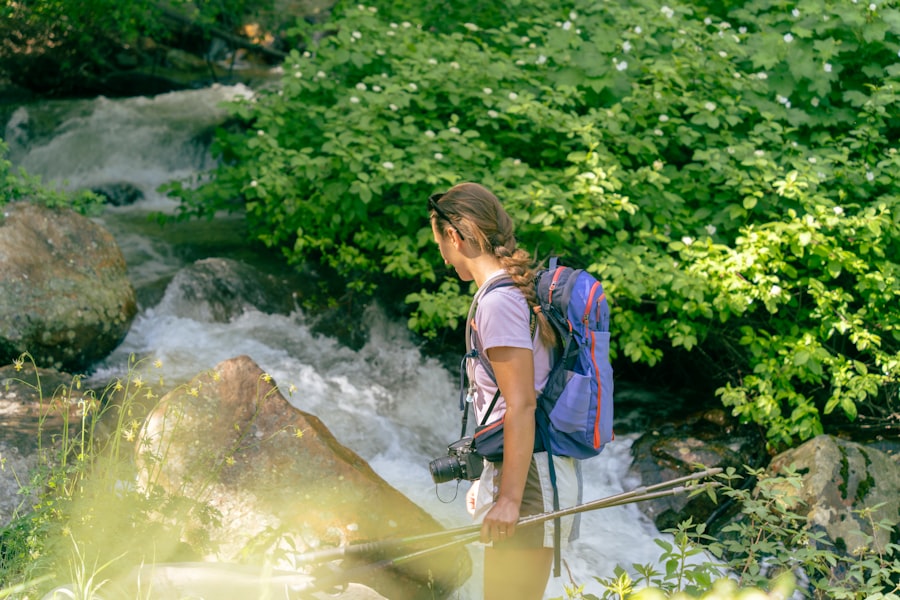
Food is a significant expenditure on any trip. For budget backpacking, embracing simple, high-energy, and cost-effective food strategies is key.
Self-Catering with Backpacking Meals
Preparing your own meals is substantially cheaper than relying on restaurants or pre-packaged backpacking meals.
Smart Food Choices and Preparation
- Dehydrated Staples: Lentils, beans, rice, pasta, and couscous are inexpensive, lightweight, and form the base of many filling meals when rehydrated.
- Oats and Granola: For breakfast, instant oats are incredibly cheap and versatile. Adding dried fruit and nuts provides sustained energy.
- Trail Mix and Snacks: Creating your own trail mix with nuts, seeds, dried fruit, and a few chocolate chips is far more economical than buying pre-made versions. Energy bars can be made at home as well.
- Spice Kit: A small kit with essential spices (salt, pepper, chili flakes, garlic powder) can elevate simple meals and prevent flavor fatigue.
Maximizing Water Availability and Purification
Access to clean drinking water is crucial, and constantly buying bottled water is expensive and environmentally unfriendly.
Efficient Water Management
- Collapsible Water Bottles and Bladders: These are lightweight and take up minimal space when empty.
- Water Filters and Purification Tablets: Investing in a reliable water filter or a supply of purification tablets is a one-time cost that significantly reduces recurring expenses. Researching the water sources in your intended area is important for choosing the most appropriate purification method.
- Boiling Water: A time-tested method for water purification that requires no special equipment beyond a pot and a heat source.
Foraging (with Caution and Knowledge)
In areas where it is permitted and the backpacker possesses the necessary knowledge, foraging for edible plants can supplement a diet and reduce food costs.
Essential Foraging Safety and Ethics
- Absolute Certainty of Identification: Never consume a plant unless you are 100% certain of its identification and edibility. Misidentification can have severe consequences.
- Local Regulations: Be aware of local laws regarding foraging and collecting on public or private lands.
- Sustainable Harvesting: Only take what you need and ensure that your harvesting practices do not damage the plant population or its habitat. Never over-harvest.
- Allergies and Sensitivities: Be aware of your own potential allergies and sensitivities.
Skill Development for Self-Sufficiency
| Destination | Cost of Accommodation | Cost of Food | Cost of Transportation |
|---|---|---|---|
| Mountains | Low | Moderate | Low |
| Beach | Low | Low | Low |
| Forest | Low | Low | Low |
Developing certain practical skills can significantly enhance a backpacker’s ability to travel on a budget and increase their confidence in natural environments.
Navigation and Wilderness Skills
Being able to navigate independently is crucial for accessing more remote areas and avoiding costly guided tours.
Learning to Read a Map and Compass
- Practice in Familiar Areas: Hone your map and compass skills in local parks or on well-marked trails before venturing into more complex terrain.
- GPS Devices and Apps: While a map and compass are essential backups, GPS devices and smartphone apps can be valuable tools, especially when downloaded for offline use. However, relying solely on electronics carries risks due to battery life and signal availability.
- Basic First Aid: Knowing how to handle common injuries and emergencies can prevent costly evacuations and ensure personal safety. Taking a wilderness first aid course is highly recommended.
Camping and Cooking Proficiency
Mastering the art of setting up camp and preparing simple meals in the backcountry is fundamental to enjoyable and affordable travel.
Efficient Camp Craft
- Pitching a Tent in Various Conditions: Practice setting up your tent in wind, rain, and uneven terrain to build efficiency and confidence.
- Campfire Management: Learn how to build and safely extinguish campfires in designated areas, adhering to all local fire regulations.
- Meal Planning and Preparation: Experiment with different budget-friendly backpacking recipes at home to find what works best for your tastes and dietary needs.
Repair and Maintenance Skills
Keeping your gear in good working order can prevent costly replacements and ensure your safety and comfort.
On-the-Trail Fixes and Gear Care
- Basic Sewing Kit: A small sewing kit with needles, thread, and some patches can be used for minor repairs to clothing and gear.
- Duct Tape and Multitool: These are invaluable for a wide range of impromptu repairs.
- Regular Gear Maintenance: Cleaning and caring for your equipment after each trip (e.g., drying your tent, cleaning your stove) prolongs its lifespan.
By focusing on these budget-friendly backpacking travel ideas, individuals can unlock the profound rewards of exploring nature without the burden of excessive spending. The emphasis on preparedness, resourcefulness, and a respect for the natural world forms the foundation of truly enriching and accessible outdoor adventures.
FAQs
1. What is backpacking in nature?
Backpacking in nature refers to traveling on a budget and exploring natural environments, typically by carrying all necessary belongings in a backpack and staying in budget-friendly accommodations such as hostels or campsites.
2. What are some budget-friendly travel ideas for backpacking in nature?
Some budget-friendly travel ideas for backpacking in nature include camping in national parks, hiking on designated trails, staying in hostels or budget accommodations, cooking your own meals, and using public transportation or carpooling.
3. What are the benefits of backpacking in nature for budget-conscious travelers?
Backpacking in nature allows budget-conscious travelers to experience the beauty of natural environments without breaking the bank. It also provides opportunities for physical activity, connecting with nature, and meeting like-minded travelers.
4. What essential items should backpackers bring when traveling in nature?
Essential items for backpacking in nature include a sturdy backpack, lightweight and durable clothing, a reliable tent and sleeping bag, cooking supplies, water purification tools, a first aid kit, navigation tools, and appropriate footwear.
5. What are some safety tips for backpacking in nature?
Safety tips for backpacking in nature include informing others of your travel plans, staying on designated trails, being aware of wildlife and weather conditions, packing enough food and water, carrying a map and compass, and being prepared for emergencies.