

Summer, with its extended daylight hours and generally agreeable temperatures, presents a wealth of opportunities for exploring the natural world. The season invites a focus on activities that capitalize on good weather, from the sun-drenched coastlines to the verdant, thriving inland landscapes. Planning a summer nature trip requires consideration of how to best utilize the abundance of sunshine while also managing its potential intensity.
Coastal Adventures
The summer months often bring calm seas and pleasant warmth, making coastal regions particularly appealing for nature exploration. These areas offer a unique interface between land and water, providing diverse ecosystems and a range of activities.
Seaside Hikes and Birdwatching
Coastal paths, often carved into cliffs or skirting sandy shores, offer invigorating hikes. The scent of salt and sea air, combined with panoramic ocean views, creates a distinct atmosphere. During summer, many seabird colonies are active, with nesting grounds and abundant feeding opportunities. Binoculars are essential for observing puffins, gulls, terns, and other species in their natural habitat. Identifying different species and understanding their behaviors can be a rewarding aspect of these excursions. Many coastal areas also feature unique flora adapted to the saline environment, such as sea thrift and marram grass, which can be observed and studied. The geological formations along coastlines, shaped by millennia of erosion, also present opportunities for geological observation.
Tide Pooling and Marine Life Observation
Low tide in summer reveals a fascinating microcosm of marine life. Tide pools, left behind by the receding ocean, become temporary aquariums teeming with creatures. Observing sea anemones, crabs, starfish, and small fish in these confined environments provides a hands-on introduction to marine biodiversity. It is important to approach tide pools with respect, observing without disturbing the inhabitants. Understanding the intertidal zone and the adaptations of its residents can offer valuable ecological insights. Some areas may offer guided tide pool walks led by naturalists who can illuminate the intricacies of this environment.
Forest and Woodland Immersion
Beyond the coast, inland forests and woodlands come alive in summer, offering shade, abundant wildlife, and a symphony of natural sounds. These environments provide a different kind of sensory experience, characterized by dappled sunlight and the rustling of leaves.
Canopy Exploration and Wildlife Spotting
The dense foliage of summer forests provides cover for a variety of wildlife. Observing mammals like deer, squirrels, and possibly even foxes requires patience and keen observation skills. Bird calls echo through the trees, and identifying songbirds becomes a more engaging pursuit with the trees in full leaf. Many forest trails lead to elevated viewpoints or offer opportunities to observe the forest canopy from below, appreciating the scale and complexity of these ecosystems. Some locations may even offer canopy walkways or zip-lining experiences that provide a unique perspective on the forest structure and its inhabitants. The presence of various fungi, often at their peak during the warmer months, also adds to the visual richness of the forest floor.
Night Walks and Nocturnal Creatures
As dusk settles, forests transform into a different realm, populated by nocturnal species. Summer nights often allow for comfortable night walks, providing opportunities to observe owls, bats, and insects that become active after dark. The sounds of the forest change, with the chirping of crickets and the calls of nocturnal birds replacing the daytime chorus. Guided night walks can enhance the experience by using specialized equipment like spotlights and by pointing out signs of animal activity, such as tracks and scat. Understanding the adaptations of these creatures to a life in darkness offers a compelling contrast to diurnal observations.
Mountain and Upland Treks
Mountainous regions offer a cooler alternative during the summer heat, with higher altitudes providing a refreshing escape. These landscapes present rugged beauty and unique alpine ecosystems.
Summit Climbs and Panoramic Vistas
The rewards of climbing mountains in summer often include breathtaking panoramic views. As you ascend, the vegetation changes, transitioning from deciduous forests to coniferous trees and eventually to alpine meadows. Observing the different ecological zones and the specialized flora and fauna found at each altitude is a significant aspect of these treks. Summit climbs require good physical condition and preparation for changing weather conditions, even in summer. The sense of accomplishment upon reaching a summit, coupled with the vastness of the landscape, can be a powerful experience.
Alpine Meadow Exploration and Wildflower Discovery
Alpine meadows, at higher elevations, are often carpeted with wildflowers during the summer months. These vibrant displays offer a spectacular visual experience and an opportunity to study delicate, specialized plant life. Observing the insects that pollinate these flowers, such as bees and butterflies, adds another layer of ecological interaction to the exploration. Identifying different wildflower species and understanding their adaptations to the harsh alpine environment can be a fascinating pursuit. The clear air and extensive visibility in these regions often make them ideal for detailed landscape observation.
Rainy Season Revelations: The Lush and Dynamic Landscape
The rainy season, often characterized by increased rainfall and humidity, transforms landscapes into vibrant, verdant environments. While some activities may need adjustment, this period offers unparalleled opportunities to witness the dynamism of nature and observe species that thrive in wetter conditions.
Forest Floor and Fungal Wonders
The increased moisture of the rainy season is a boon for many organisms, particularly those found on the forest floor. The transformation of the environment creates a unique visual and sensory experience.
Mushroom Foraging and Identification
Rainy seasons are prime time for fungal growth. Forests become a tapestry of mushrooms in various shapes, sizes, and colors. For those with appropriate knowledge or guided by experts, mushroom foraging can be a rewarding and educational activity. Learning to identify edible versus poisonous species requires significant expertise and should not be undertaken without proper guidance. Even without foraging, observing the diversity of fungi, from delicate shelf fungi to vibrant toadstools, offers a unique glimpse into this often-overlooked kingdom of life. Understanding the ecological role of fungi as decomposers is fundamental to appreciating their importance.
Wetland Exploration and Amphibian Habitats
Wetlands, from bogs and marshes to flooded forests, become particularly active and biodiverse during the rainy season. The increased water levels create ideal breeding grounds and habitats for a multitude of species.
Frog and Toad Surveys
The mating calls of frogs and toads often define the soundscape of wetlands during the rainy season. Observing these amphibians, from their egg masses to their tadpoles and adult forms, provides a fascinating insight into their life cycles. Guided surveys can help identify different species and learn about their specific ecological niches within these environments. The presence of abundant insect life, which forms the diet for many amphibians, also contributes to the richness of these habitats. Understanding the importance of healthy wetland ecosystems for amphibian populations is crucial.
Insect Diversity and Aquatic Life
The abundance of water attracts a diverse range of insects, including dragonflies, damselflies, and various water beetles. The temporary ponds and streams formed by the rain also teem with aquatic life. Observing the intricate life cycles of these invertebrates, often adapted to life both in and out of water, is a compelling aspect of wetland exploration. The decomposition of organic matter in wetlands also supports a rich microbial community, which forms the base of the food web.
Waterfalls and Riverine Landscapes
The increased precipitation naturally leads to more dramatic waterfalls and swollen rivers. These dynamic water features offer powerful natural spectacles and unique ecological environments.
Chasing Waterfalls and Observing Erosion
The roar and spray of waterfalls at their peak during the rainy season are a powerful force of nature. Hiking to view these cascades, often surrounded by lush, rain-soaked vegetation, can be an awe-inspiring experience. Observing the erosive power of water on the landscape, carving canyons and shaping rock formations over time, offers geological insights. Many areas around waterfalls also host unique plant communities adapted to the constant mist and moisture. The surrounding vegetation often flourishes due to the abundant water.
Riverbank Treks and Aquatic Mammal Spotting
Though rivers can be swollen and potentially hazardous, carefully planned treks along their banks can offer opportunities to observe unique riverine ecosystems. In areas with populations of otters, beavers, or other aquatic mammals, the rainy season can increase their visibility as they forage. Understanding the flow dynamics of rivers and the adaptations of species that live within them is a key aspect of such explorations. The changing water levels can also expose different areas of the riverbed, revealing geological features or evidence of past flood events.
Dry Season Expeditions: Resilience and Focused Observation
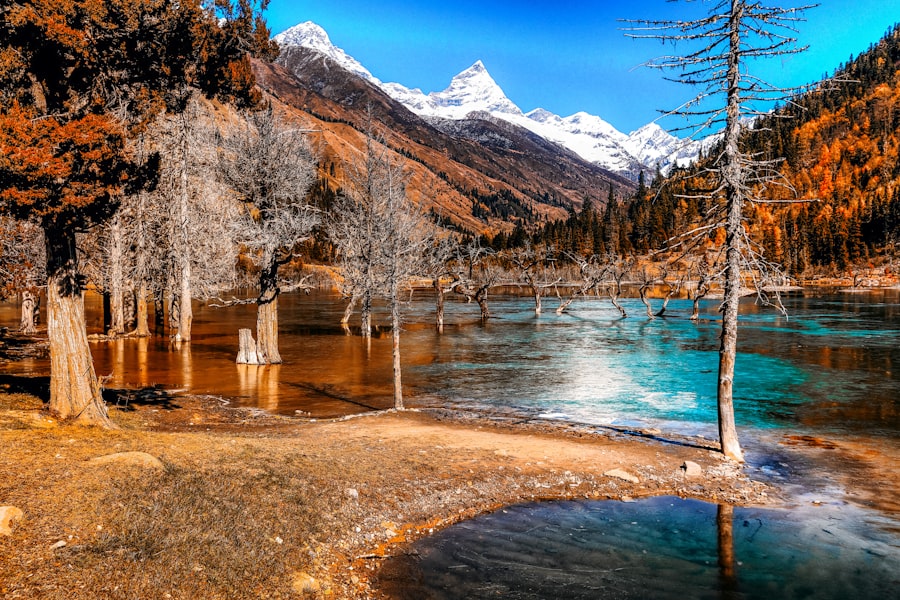
The dry season, characterized by its lack of precipitation and often intense heat, presents a different set of challenges and opportunities for nature exploration. This period emphasizes the resilience of life, the stark beauty of arid landscapes, and the importance of water sources for concentrated wildlife activity.
Desert and Arid Land Adaptations
Deserts, though seemingly barren, are home to highly specialized life forms that have adapted to extreme conditions. The dry season highlights their remarkable survival strategies.
Cacti and Succulent Gardens
Deserts are renowned for their unique flora, particularly cacti and succulents, which store water to survive arid conditions. The dry season often brings these plants into sharper focus as they are the dominant vegetation. Observing their diverse forms, from towering saguaros to small, ground-hugging varieties, and understanding their water-storage mechanisms offers a lesson in botanical adaptation. Many of these plants also produce spectacular, though often short-lived, blooms following rare rainfall events.
Wildlife Around Waterholes and Oases
During the dry season, waterholes and oases become crucial focal points for wildlife. Animals congregate around these essential resources, offering excellent opportunities for observation. Patience and careful observation from a discreet distance are key to witnessing the interactions of various species as they drink and forage. Understanding the hierarchy and behaviors of animals at water sources provides invaluable ecological insights. Many desert animals have evolved remarkable adaptations to conserve water, such as nocturnal activity or highly efficient kidneys.
Savanna Safaris and Migratory Movements
Savannas, particularly in Africa and other tropical regions, undergo a dramatic transformation during the dry season, often characterized by widespread migrations of herbivores in search of grazing and water.
Witnessing Great Migrations
The great migrations, such as the movement of wildebeest and zebras across the Serengeti, are a quintessential dry season spectacle. Observing these vast herds, often accompanied by predators, offers a profound understanding of ecological processes and the interconnectedness of life. Specialized safaris are often designed around these migratory patterns, providing opportunities to witness this natural phenomenon. Understanding the timing and routes of these migrations requires knowledge of seasonal rainfall patterns and vegetation cycles.
Birdwatching in Drying Landscapes
While some bird species may migrate away from drying areas, others adapt by congregating near remaining water sources or by exploiting new food sources that become available. The relatively sparse vegetation in some areas during the dry season can also make birdwatching easier, as birds are more visible. Observing the adaptations of birds to arid environments, such as their methods of thermoregulation and water conservation, can be highly educational.
Coastal Regions in the Dry Season
Even coastal regions experience changes during the dry season, often with calmer seas and different patterns of marine life activity.
Beachcombing and Marine Debris Study
The drier conditions can make beachcombing more pleasant, offering opportunities to find shells, driftwood, and other natural treasures. It also provides a chance to observe the impact of human activity on coastal environments through the study of marine debris. Understanding the sources and ecological consequences of plastic pollution and other forms of waste is an important aspect of responsible nature exploration. Many coastal areas also feature unique plant life adapted to sandy, saline conditions.
Seal and Sea Lion Haul-Outs
In certain coastal regions, the dry season can coincide with periods when seals and sea lions use specific beaches or rocky outcrops as haul-out sites for resting and breeding. Observing these marine mammals in their natural environment, from a safe and respectful distance, provides insights into their social structures and behaviors. Understanding the importance of these haul-out sites for the survival and reproduction of these species is crucial.
Planning Your Nature Excursion: Season-Specific Considerations

Regardless of the season, effective planning is paramount to a successful and enjoyable nature exploration experience. Tailoring preparations to the specific environmental conditions of the chosen season will significantly enhance the trip.
Essential Gear and Preparation by Season
The gear required for a nature trip varies considerably depending on the season. Understanding these differences ensures comfort, safety, and the ability to fully engage with the environment.
Summer Essentials: Sun Protection and Hydration
For summer trips, prioritizing sun protection is crucial. This includes high SPF sunscreen, wide-brimmed hats, and sunglasses. Adequate hydration is also paramount, necessitating a reliable water bottle or hydration pack and awareness of dehydration symptoms. Lightweight, breathable clothing that covers the skin can offer protection from both the sun and insects. Insect repellent is also a standard summer necessity.
Rainy Season Necessities: Waterproofing and Layering
During the rainy season, waterproof gear is essential. This includes a good quality rain jacket and trousers, waterproof footwear, and waterproof bags for electronics and other sensitive items. Layering clothing is also important, allowing for adjustments to temperature and humidity fluctuations. Quick-drying fabrics are beneficial. Consider bringing a waterproof map case and compass, as visibility can be reduced in heavy rain.
Dry Season Requirements: Heat Management and Water Conservation
The dry season demands attention to heat management. Lightweight, light-colored clothing that reflects sunlight is advisable. Sturdy footwear is important, especially for navigating potentially uneven and dry terrain. Carrying sufficient water is critical, and understanding where reliable water sources might be found is an important part of planning. Sun protection remains vital, often requiring even more rigorous application due to intense daytime sun. Consider bringing electrolyte supplements to replenish salts lost through sweat.
Understanding Local Ecosystems and Wildlife
Before embarking on any nature trip, a degree of research into the local ecosystems and potential wildlife is highly beneficial. This knowledge enhances the experience and promotes responsible interaction with the natural world.
Researching Flora and Fauna Beforehand
Familiarizing oneself with the common plants and animals of a region allows for better identification and appreciation of what is encountered. This can involve reading guidebooks, consulting online resources, or speaking with local experts. Understanding the typical behaviors and habitats of wildlife will increase the chances of sightings and reduce the likelihood of disturbing animals. Awareness of any specific conservation efforts or protected areas in the region is also valuable.
Seasonal Wildlife Behavior and Patterns
Researching how wildlife behaves throughout the year will significantly enrich a nature trip. For example, understanding breeding seasons, migratory patterns, or hibernation periods can help anticipate certain sightings or explain why some animals might be more or less visible. Knowing when certain flowers bloom or when particular fruits ripen can also indicate when specific animals are most likely to be present. Many animal behaviors are directly tied to seasonal changes in food availability and weather patterns.
Safety and Ethical Considerations
Responsible nature exploration prioritizes safety and minimizes impact on the environment. Adhering to ethical guidelines ensures that natural spaces remain healthy for future generations.
Leave No Trace Principles and Wildlife Etiquette
The “Leave No Trace” principles are fundamental to responsible outdoor recreation. This includes packing out all trash, staying on designated trails, respecting wildlife by observing from a distance and never feeding animals, and minimizing campfire impacts. Understanding wildlife etiquette, such as avoiding sudden noises or movements that might startle animals, is essential for safe and respectful encounters. Never approach or touch wild animals, as this can be dangerous for both the human and the animal.
Navigational Tools and Emergency Preparedness
Regardless of the season, carrying appropriate navigational tools such as a map, compass, or GPS device is crucial, especially when venturing into unfamiliar territory. Familiarizing oneself with their use beforehand is important. Having a well-stocked first-aid kit and knowing basic first-aid procedures is essential for addressing minor injuries. Informing someone of your planned route and expected return time is a critical safety measure. Understanding the local weather patterns and having a plan for unexpected changes is also part of emergency preparedness.
Exploring Underwater Worlds: Seasonal Opportunities Below the Surface
| Season | Destination | Activities |
|---|---|---|
| Summer | Yellowstone National Park, USA | Hiking, wildlife viewing, camping |
| Rainy Season | Amazon Rainforest, Brazil | Boat tours, bird watching, jungle trekking |
| Dry Season | Maasai Mara National Reserve, Kenya | Safari, hot air balloon rides, cultural experiences |
Beyond terrestrial landscapes, the underwater world offers a wealth of exploration opportunities, with seasonal variations influencing visibility, marine life activity, and accessibility.
Subtropical and Tropical Marine Encounters
Warmer waters of subtropical and tropical regions often present the most vibrant underwater ecosystems, with distinct seasonal peaks in marine activity.
Coral Reef Snorkeling and Diving in Summer
Summer months, with generally calmer seas and warmer water temperatures, are ideal for exploring coral reefs. Visibility is often at its best, allowing for clear observation of the diverse array of fish, coral formations, and other marine invertebrates. Snorkeling provides an accessible way to witness these underwater gardens, while scuba diving offers deeper immersion and the opportunity to encounter larger marine life. Understanding the delicate nature of coral reefs and practicing responsible diving techniques, such as avoiding touching or damaging the coral, is paramount.
Whale and Dolphin Watching Seasons
For many regions, summer marks a peak season for whale and dolphin watching. Various species migrate to warmer waters for breeding or feeding during these months. Boat tours specifically designed for marine mammal observation offer a chance to witness these magnificent creatures in their natural habitat. It is important to choose tour operators who adhere to ethical guidelines for marine mammal encounters, ensuring minimal disturbance to the animals. Observing their social behaviors and feeding patterns can be profoundly informative.
Temperate Coastal Waters and Their Annual Cycles
Even in temperate climates, the underwater world undergoes seasonal changes, offering unique exploration opportunities throughout the year.
Kelp Forest Exploration in Cooler Months
While summer is often associated with warmer waters, temperate regions can offer excellent underwater experiences during cooler months, particularly for exploring kelp forests. As the water cools, visibility in kelp forests can increase, and the forests themselves are often in a state of vibrant growth. These underwater forests provide habitat for a multitude of fish species, sea otters, and other marine life. Diving in kelp forests offers a unique and immersive experience of a complex underwater ecosystem.
Observing Marine Migrations and Breeding Cycles
Throughout the year, different marine species engage in migrations and breeding cycles that can be observed in temperate waters. For instance, the arrival of certain fish species for spawning or the presence of migrating seabirds feeding on schooling fish can occur during various seasons. Researching local marine life and their annual cycles will help identify the best times for specific observations. Understanding the interdependence of marine species and the environmental cues that trigger their behaviors is key to appreciating these phenomena.
Birdwatching Expeditions: Following the Avian Calendar
Birdwatching is a year-round pursuit, but different seasons offer distinct advantages and opportunities to observe varied avian populations and behaviors.
Spring Migration: A Spectacle of Movement
Spring marks the beginning of avian migrations as birds travel north to breeding grounds, offering a dynamic period for birdwatchers.
Witnessing Feathered Refugees
The arrival of migratory birds in spring is a remarkable phenomenon. Vast numbers of species, having spent the winter in warmer climates, return to their breeding territories. Birding hotspots become active as enthusiasts seek to identify the returning species. Observing the subtle changes in plumage as birds transition to their breeding colors, and listening to the resurgence of their songs, provides a rich sensory experience. Many areas become staging grounds for large numbers of birds, offering unparalleled viewing opportunities.
Identifying Vocalizations and Courtship Displays
The vocalizations of birds in spring are often at their most varied and prominent as males establish territories and attract mates. Learning to identify bird songs and calls is a crucial skill for birdwatchers, allowing for identification even when birds are not visible. Spring also brings about elaborate courtship displays, where birds engage in visual performances to impress potential partners. Observing these behaviors offers insights into avian reproductive strategies and social dynamics.
Summer Breeding and Nesting Territories
Summer is a time of activity for birds as they establish breeding territories, build nests, and raise their young.
Observing Nest Building and Parental Care
Following the migratory spectacle of spring, summer is dedicated to reproduction. Observing birds engaged in nest building, incubating eggs, and feeding their young provides a fascinating glimpse into avian life cycles. Many species become less secretive during this period as they focus on their young. This offers opportunities to study parental care behaviors, from foraging for food to defending nests from predators.
Juvenile Bird Identification and Molting
As the summer progresses, young birds begin to fledge and are often noticeably different from their adult counterparts. Identifying juvenile birds, with their often softer plumage and less developed features, presents a distinct challenge and learning opportunity for birdwatchers. Towards the end of summer, many adult birds begin their post-breeding molt, replacing worn feathers. Observing these molting birds can be interesting, as they may appear somewhat disheveled during this process.
Autumn Migration: A Reverse Journey
As seasons shift, birds undertake their return journey south, presenting another period of migratory activity.
Tracking Fall Migrants and Immatures
Autumn migration mirrors spring in its scale but involves a reverse flow of birds. This is often a time for observing many juvenile birds, who are often more numerous and less experienced than their adult counterparts. Identifying these younger birds can be more challenging but offers a rewarding learning experience. Understanding migratory routes and identifying common fall migrants is a key aspect of autumn birdwatching.
Observing Food Cacheing and Preparations for Winter
As winter approaches, many bird species engage in behaviors related to food preparation and storage. This can include caching food, such as burying seeds or nuts, to ensure a food supply during the leaner months. Observing these preparations provides insights into the survival strategies of birds in response to approaching colder weather. Understanding the cues that trigger these behaviors, such as changes in daylight hours or temperature, can be informative.
Winter Birding: Resilience and Scarce Resources
Winter birding presents unique opportunities to observe hardy species that remain in colder climates and to witness how birds adapt to scarcity.
Identifying Resident Species and Winter Visitors
While many birds migrate south for the winter, a significant number of species remain in colder regions. Winter birdwatching focuses on identifying these resident species, observing their adaptations to the cold, and seeking out any winter visitors that may have arrived from further north. Species that survive the winter often display remarkable resilience and adaptations to conserve energy and find food in challenging conditions.
Observing Foraging Behaviors in Sparse Landscapes
With reduced food availability during winter, birds’ foraging behaviors become more apparent. Observing how they find food, whether it’s gleaning insects from bark, searching for seeds in snow, or visiting bird feeders, provides insights into their resourcefulness. The relative lack of foliage in winter can also make it easier to spot birds and observe their feeding strategies. Understanding the challenges of winter survival for birds highlights their remarkable adaptability.
FAQs
1. What are the best nature trips for the summer season?
Some of the best nature trips for the summer season include visiting national parks, hiking in the mountains, exploring coastal areas, and enjoying water activities such as kayaking and snorkeling.
2. What are the recommended nature trips for the rainy season?
During the rainy season, it is recommended to visit rainforests, waterfalls, and lush green landscapes. Exploring caves and taking part in wildlife spotting tours can also be enjoyable during this time.
3. What are the ideal nature trips for the dry season?
In the dry season, ideal nature trips include visiting deserts, canyons, and arid landscapes. Engaging in activities such as rock climbing, desert safaris, and hot air balloon rides can provide unique experiences during this time.
4. How can travelers prepare for seasonal nature trips?
Travelers can prepare for seasonal nature trips by checking weather forecasts, packing appropriate clothing and gear, staying hydrated, and being mindful of any potential environmental hazards such as extreme heat or heavy rainfall.
5. What are some important considerations for sustainable nature travel during different seasons?
Important considerations for sustainable nature travel during different seasons include respecting wildlife and natural habitats, minimizing waste and pollution, supporting local conservation efforts, and choosing eco-friendly accommodations and tour operators.