
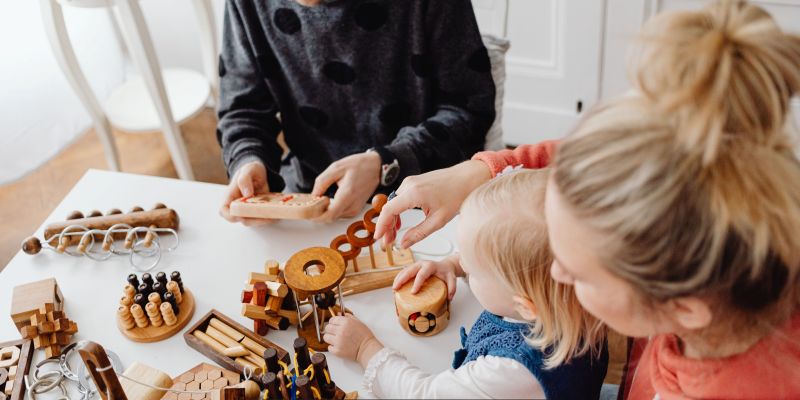

Family bonding is a fundamental aspect of human relationships that fosters emotional connections and strengthens the ties that bind individuals together. In an increasingly fast-paced world, where technology often takes precedence over personal interactions, the significance of nurturing these familial relationships cannot be overstated. Strong family bonds provide a sense of security and belonging, which are essential for emotional well-being.
They create a support system that individuals can rely on during challenging times, offering comfort and understanding that is often unmatched by other relationships. Moreover, family bonding plays a crucial role in the development of children. When families engage in meaningful interactions, children learn essential life skills such as communication, empathy, and cooperation.
These experiences shape their personalities and influence their future relationships outside the family unit. By prioritizing family time, parents can instill values and traditions that will be passed down through generations, creating a legacy of love and support that endures over time.
Key Takeaways
- Family bonding strengthens relationships and creates lasting memories.
- Engaging in both outdoor and indoor activities fosters connection and fun.
- Creative projects and cooking together encourage teamwork and communication.
- Regular family game nights, movie nights, and storytelling enhance emotional bonds.
- Volunteering, exercising, and planning trips as a family promote shared goals and healthy habits.
Outdoor Activities for Family Bonding
Engaging in outdoor activities is one of the most effective ways to strengthen family bonds while enjoying the beauty of nature. Whether it’s hiking through scenic trails, biking along picturesque paths, or simply taking a leisurely stroll in the park, these activities encourage families to spend quality time together away from the distractions of daily life. The fresh air and physical activity not only promote health but also create lasting memories that families can cherish for years to come.
Outdoor adventures also provide opportunities for families to work together as a team. Setting up a campsite, navigating through a nature trail, or participating in a family sports day fosters collaboration and communication. These shared experiences can lead to laughter and joy, reinforcing the emotional connections between family members.
Additionally, outdoor activities often spark conversations about nature, wildlife, and the environment, allowing families to learn together while deepening their appreciation for the world around them.
Indoor Activities for Family Bonding
While outdoor activities are invigorating, indoor activities also hold significant value in fostering family bonding. Rainy days or cold weather can be transformed into opportunities for connection through various engaging indoor pursuits. Board games, puzzles, and arts and crafts are just a few examples of activities that can bring families together in a fun and interactive way.
These activities encourage teamwork and creativity while allowing family members to share their thoughts and ideas in a relaxed setting. Moreover, indoor activities can serve as a platform for families to explore their interests and talents. For instance, families can engage in DIY projects that not only beautify their living space but also provide a sense of accomplishment when completed together.
Such projects can range from home decor to building furniture, allowing each member to contribute their unique skills. This collaborative spirit nurtures a sense of belonging and reinforces the idea that every family member plays an important role in the family unit.
Creative Activities for Family Bonding
Creativity is a powerful tool for family bonding, as it allows individuals to express themselves while working together towards a common goal. Engaging in creative activities such as painting, crafting, or even writing stories can ignite imaginations and foster collaboration among family members. These activities not only provide an outlet for self-expression but also encourage open communication and sharing of ideas, which are vital components of strong familial relationships.
Additionally, creative pursuits can lead to the discovery of hidden talents within the family. A child may surprise their parents with artistic skills they never knew they had, or a parent might showcase their musical abilities during a family jam session. These moments of revelation can deepen respect and admiration among family members, further solidifying their bonds.
By celebrating each other’s creativity, families cultivate an environment where everyone feels valued and appreciated.
Cooking and Baking Together
| Activity | Average Duration | Recommended Age Group | Benefits | Frequency |
|---|---|---|---|---|
| Board Games | 1-2 hours | All ages | Enhances communication, teamwork, and problem-solving skills | Weekly |
| Family Cooking | 1-1.5 hours | 6 years and up | Promotes cooperation, creativity, and healthy eating habits | Bi-weekly |
| Outdoor Hiking | 2-4 hours | All ages | Encourages physical activity, exploration, and bonding with nature | Monthly |
| Movie Night | 2-3 hours | All ages | Fosters relaxation and shared experiences | Weekly |
| Arts and Crafts | 1-2 hours | 3 years and up | Boosts creativity, fine motor skills, and collaboration | Weekly |
| Family Reading Time | 30-60 minutes | All ages | Improves literacy, imagination, and bonding | Daily |
Cooking and baking together is another delightful way for families to bond while creating delicious meals and treats. The kitchen becomes a space for collaboration where family members can share recipes, techniques, and culinary traditions. As they chop vegetables or mix batter, conversations flow naturally, allowing for laughter and storytelling amidst the hustle and bustle of meal preparation.
Moreover, cooking together teaches valuable life skills that extend beyond the kitchen. Children learn about nutrition, food safety, and the importance of teamwork as they contribute to meal planning and execution. Family cooking sessions can also become an opportunity to explore different cultures through cuisine, broadening everyone’s culinary horizons while fostering an appreciation for diversity.
The shared experience of enjoying a meal that they created together adds an extra layer of satisfaction and connection.
Family Game Nights
Family game nights are a cherished tradition in many households, providing an opportunity for laughter, competition, and bonding. Whether it’s classic board games or modern video games, these evenings allow families to engage in friendly rivalry while strengthening their relationships. The excitement of playing together fosters camaraderie and creates an atmosphere where everyone feels included and valued.
In addition to entertainment, game nights can also serve as valuable teaching moments. Parents can use these occasions to instill important lessons about sportsmanship, patience, and strategic thinking. As family members cheer each other on or console one another after a loss, they learn how to navigate both victory and defeat gracefully.
These experiences contribute to emotional growth and resilience while reinforcing the idea that family support is unwavering regardless of the outcome.
Volunteering as a Family
Volunteering as a family is an enriching experience that not only strengthens bonds but also instills a sense of purpose and community involvement. Engaging in charitable activities together allows families to work towards a common goal while making a positive impact on others’ lives. Whether it’s serving meals at a local shelter or participating in community clean-up events, these shared experiences foster empathy and compassion among family members.
Moreover, volunteering provides an opportunity for families to reflect on their values and priorities. As they engage with diverse communities and individuals facing various challenges, they gain perspective on their own lives and develop gratitude for what they have. This shared understanding can deepen familial connections as they discuss their experiences and feelings about their volunteer work.
Ultimately, volunteering not only strengthens family bonds but also cultivates a sense of social responsibility that can be passed down through generations.
Family Movie Nights
Family movie nights are a beloved tradition that brings everyone together for relaxation and entertainment. Selecting films that appeal to all ages allows families to share stories and themes that resonate with each member. As they gather around the screen with popcorn in hand, the atmosphere becomes one of warmth and togetherness, creating cherished memories that last long after the credits roll.
In addition to entertainment value, movie nights can spark meaningful discussions among family members. After watching a film, families can engage in conversations about the characters’ choices, moral dilemmas, or even historical contexts presented in the story. This dialogue encourages critical thinking and allows individuals to express their opinions in a safe environment.
By sharing insights and perspectives on what they’ve watched, families deepen their understanding of one another while fostering open communication.
Family Storytelling and Sharing
Storytelling is an age-old tradition that holds immense power in strengthening family bonds. Sharing personal stories—whether they are humorous anecdotes from childhood or significant life lessons—creates an intimate atmosphere where family members feel connected on a deeper level. This practice not only preserves family history but also allows individuals to learn from one another’s experiences.
Moreover, storytelling encourages active listening and empathy among family members. As they share their narratives, individuals gain insight into each other’s thoughts and feelings, fostering understanding and compassion within the family unit. This exchange of stories can also inspire younger generations to carry on traditions or values that are important to the family’s identity.
Ultimately, storytelling serves as a bridge between past and present, reinforcing familial ties across generations.
Family Exercise and Fitness Activities
Incorporating exercise into family bonding activities promotes both physical health and emotional well-being. Engaging in fitness activities together—such as hiking, biking, or participating in group sports—encourages families to support one another in achieving their health goals while having fun at the same time. These shared experiences not only improve physical fitness but also enhance mental health by reducing stress levels through physical activity.
Additionally, exercising as a family fosters accountability and motivation among members. When individuals see their loved ones working hard towards fitness goals, they are often inspired to push themselves as well. This collective effort creates an environment where everyone feels encouraged to prioritize their health while enjoying each other’s company.
By making fitness a family affair, individuals cultivate habits that promote long-term well-being while strengthening their bonds.
Planning Family Vacations and Trips
Planning family vacations is an exciting endeavor that brings everyone together in anticipation of new adventures. Collaboratively deciding on destinations, activities, and accommodations allows each member to contribute their preferences and ideas, fostering a sense of ownership over the trip. This process not only builds excitement but also strengthens communication skills as families negotiate plans that cater to everyone’s interests.
During vacations themselves, families create lasting memories through shared experiences—whether it’s exploring new cultures or simply enjoying quality time away from daily routines. Traveling together provides opportunities for learning about different places while deepening familial connections through shared adventures. The stories created during these trips often become cherished memories that families recount for years to come, reinforcing their bonds long after returning home.
In conclusion, family bonding is essential for nurturing strong relationships that provide emotional support throughout life’s challenges. Through various activities—both indoors and outdoors—families can create meaningful connections that foster love, understanding, and resilience among members. By prioritizing quality time spent together through cooking, volunteering, storytelling, or simply enjoying each other’s company during game nights or movie marathons, families cultivate an environment where every individual feels valued and cherished.
Ultimately, these shared experiences lay the foundation for lasting memories that enrich lives across generations.
FAQs
What are family bonding activities?
Family bonding activities are planned or spontaneous activities that family members engage in together to strengthen their relationships, improve communication, and create lasting memories.
Why are family bonding activities important?
These activities help build trust, improve emotional connections, reduce stress, and promote a sense of belonging among family members, contributing to overall family well-being.
What are some examples of family bonding activities?
Examples include playing board games, cooking meals together, going on nature walks, having movie nights, doing arts and crafts, and participating in sports or outdoor adventures.
How often should families engage in bonding activities?
There is no set rule, but regularly scheduling family bonding activities—such as weekly or biweekly—can help maintain strong relationships and ensure quality time together.
Can family bonding activities be adapted for different age groups?
Yes, activities can be tailored to suit the interests and abilities of all family members, from young children to adults, ensuring everyone can participate and enjoy the experience.
Do family bonding activities have benefits for children?
Yes, these activities support children’s emotional development, improve social skills, boost self-esteem, and create a supportive family environment.
Are outdoor activities better for family bonding than indoor activities?
Both outdoor and indoor activities have unique benefits. Outdoor activities promote physical health and exploration, while indoor activities can foster creativity and close interaction. A mix of both is ideal.
How can busy families find time for bonding activities?
Busy families can prioritize bonding by scheduling short, meaningful activities during meals, weekends, or evenings, and by involving all members in planning to ensure commitment.
Can technology be used in family bonding activities?
Yes, technology can facilitate bonding through interactive games, virtual tours, or family video calls, but it is important to balance screen time with face-to-face interactions.
What should families consider when choosing bonding activities?
Families should consider the interests, ages, and abilities of all members, the time available, and the goal of the activity to ensure it is enjoyable and inclusive for everyone.