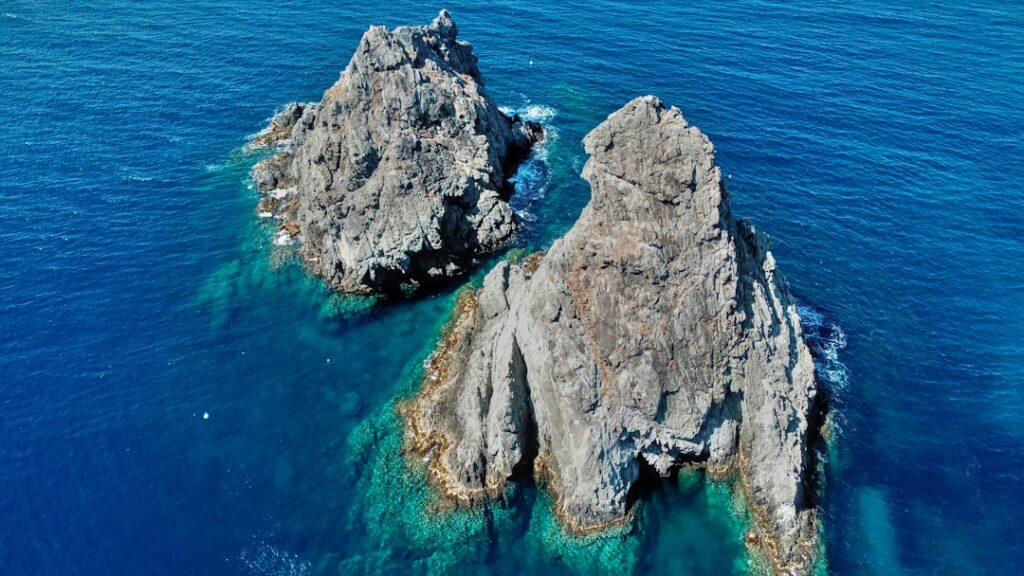

The year 2026 has witnessed a discernible shift in travel patterns, with outdoor pursuits emerging as a dominant force. This resurgence is not merely a fleeting trend, but rather a deeply rooted response to evolving societal priorities and a growing understanding of the human need for connection with the natural world. As the complexities and demands of modern life continue to escalate, individuals are increasingly seeking solace, rejuvenation, and a sense of perspective that can only be found beyond the confines of urban environments and digital saturation.
The concept of leisure has undergone a significant redefinition in recent years, and 2026 sees this evolution solidify. For many, leisure is no longer solely about passive consumption or elaborate entertainment. Instead, there’s a growing appreciation for activities that offer a more tangible and visceral experience. This has propelled outdoor travel from a niche interest to a mainstream preference.
The Pandemic’s Lasting Impact
The global health crisis of the preceding years acted as a powerful catalyst, forcing a widespread reevaluation of priorities. Confined to their homes, many individuals discovered or rediscovered the therapeutic benefits of being outdoors. Parks, local trails, and natural reserves became vital respites, fostering a deeper appreciation for accessible green spaces. This initial exposure, born out of necessity, has translated into a sustained desire for more immersive natural experiences.
Digital Detoxification as a Goal
The omnipresence of digital technology, while offering undeniable benefits, has also led to a growing fatigue. The constant influx of information, notifications, and virtual interactions can be mentally draining. Consequently, many travelers in 2026 are actively seeking opportunities to disconnect. Outdoor travel provides a natural environment for this digital detoxification, encouraging a focus on the present moment and the sensory experiences of the natural world.
The Appeal of Authenticity
In an age saturated with curated online personas and manufactured experiences, there’s an increasing yearning for authenticity. Outdoor travel often offers a more unvarnished and genuine form of engagement. The raw beauty of a mountain vista, the scent of pine needles, the sound of a babbling brook – these are experiences that lack artifice and resonate with a fundamental human need for genuine connection.
Forms of Outdoor Travel Gaining Traction
The umbrella term “outdoor travel” encompasses a diverse range of activities, each catering to different preferences and levels of engagement. In 2026, several specific forms of outdoor travel are experiencing notable growth.
Hiking and Trekking’s Enduring Popularity
Hiking and trekking continue to be cornerstones of outdoor travel. Their accessibility, adaptability to various fitness levels, and the sheer variety of landscapes they traverse contribute to their sustained appeal. From leisurely day hikes in local parks to multi-day treks through national forests, the options are virtually limitless.
Day Hiking for Urban Dwellers
For those with limited time or living in densely populated areas, day hiking offers a convenient escape. Accessible trails within a few hours’ drive from major cities are experiencing increased foot traffic. These excursions provide a vital mental reset and a brief but effective communion with nature.
Multi-Day Trekking for Immersive Experiences
More experienced and dedicated outdoor enthusiasts are opting for multi-day treks and backpacking trips. These journeys offer a deeper immersion into wilderness environments, fostering self-reliance and a profound connection with the natural surroundings. The challenge and reward of completing such expeditions are significant draws.
Camping’s Resurgence: From Basic to Glamping
Camping, in its various forms, is experiencing a significant revival. The simplicity of sleeping under the stars and waking to the sounds of nature holds an enduring allure. Furthermore, the evolution of camping experiences has broadened its appeal.
Traditional Camping for Budget-Conscious Travelers
Traditional tent camping remains a popular choice for those seeking an affordable and authentic outdoor experience. Campgrounds, both public and private, are seeing consistent bookings, with many travelers embracing the hands-on nature of setting up camp and cooking outdoors.
The Rise of “Glamping”
“Glamping,” or glamorous camping, has moved beyond a niche trend to become a significant segment of the outdoor travel market. Offering comfortable accommodations like yurts, safari tents, and cabins, often with amenities such as comfortable beds and private bathrooms, glamping appeals to a wider audience who desire the natural setting without the perceived hardships of traditional camping.
Water-Based Adventures: Kayaking, Canoeing, and Paddleboarding
Waterways are becoming increasingly popular destinations for outdoor travel. Kayaking, canoeing, and paddleboarding offer unique perspectives and allow exploration of diverse ecosystems.
Whitewater Rafting Thrills
For those seeking an adrenaline rush, whitewater rafting tours are attracting a growing number of participants. These expeditions, often lead by experienced guides, provide exhilarating experiences while navigating challenging river sections.
Peaceful Paddling on Lakes and Rivers
Conversely, the tranquil experience of paddling on calm lakes and rivers is equally in demand. These activities offer opportunities for wildlife observation, quiet contemplation, and a gentle way to explore aquatic landscapes.
The Health and Wellness Imperative
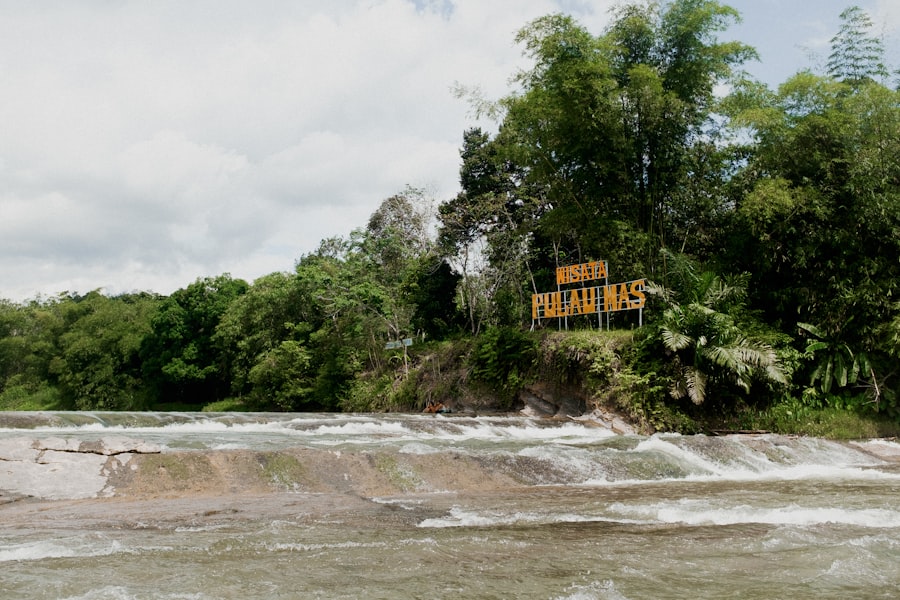
The rise of outdoor travel in 2026 is inextricably linked to a growing emphasis on health and wellness. The benefits of spending time in nature are no longer anecdotal; they are increasingly supported by scientific research.
Mental Health Benefits: Reducing Stress and Anxiety
Numerous studies highlight the positive impact of nature on mental well-being. Exposure to natural environments has been shown to reduce stress hormones, lower blood pressure, and improve mood. This has made outdoor travel a therapeutic pursuit for many seeking to manage stress and anxiety.
Forest Bathing’s Growing Recognition
The practice of “forest bathing” (Shinrin-yoku), originating from Japan, is gaining global recognition. This mindfulness-based approach involves immersing oneself in the forest atmosphere, engaging all senses. Its popularity in 2026 underscores a desire for a more profound and intentional connection with nature for mental restoration.
Physical Health Advantages: Encouraging Activity and Fitness
Outdoor activities inherently promote physical activity, contributing to improved cardiovascular health, increased strength, and better overall fitness. The varied terrain and natural challenges of outdoor pursuits offer a more engaging and sustainable way to stay active compared to repetitive gym routines.
Alleviating Sedentary Lifestyles
As sedentary lifestyles continue to be a concern, outdoor travel provides a compelling alternative. The inherent need for movement in activities like hiking, cycling, and swimming encourages individuals to break free from prolonged periods of inactivity.
The Role of Nature in Sleep Quality
Beyond mental and physical rejuvenation, spending time in nature is also linked to improved sleep quality. Exposure to natural light-day cycles and the reduction of artificial light sources can help regulate the body’s circadian rhythm, leading to more restful sleep.
Accessibility and Inclusivity in Outdoor Recreation
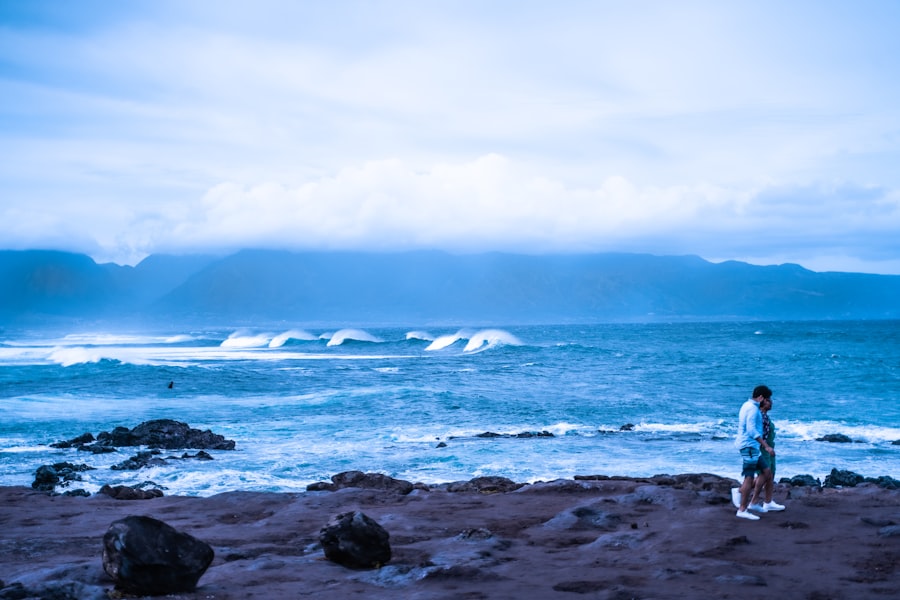
While the appeal of outdoor travel is broad, there is a growing recognition of the need to ensure its accessibility and inclusivity for all. Efforts are underway to make natural spaces and outdoor activities more welcoming to a diverse range of individuals.
Adaptive Outdoor Programs
Organizations are increasingly developing adaptive outdoor programs designed for individuals with disabilities. These programs offer specialized equipment and trained staff to facilitate participation in activities like adaptive hiking, kayaking, and rock climbing, ensuring that the benefits of nature are not exclusive.
Initiatives for Underserved Communities
There is a concerted effort to increase access to outdoor recreation for underserved communities. Partnerships between environmental organizations, local governments, and community groups are working to create new trails, provide transportation to natural areas, and offer educational programs.
Overcoming Financial Barriers
The cost of outdoor gear and travel can be a barrier for some. Rental services for equipment, affordable camping options, and community-based outdoor clubs are helping to democratize access to outdoor experiences.
Sustainability and Responsible Travel Practices
| Reasons for Nature Tripping | Percentage of Travelers |
|---|---|
| Desire for outdoor activities | 45% |
| Seeking relaxation and stress relief | 30% |
| Interest in eco-tourism | 15% |
| Opportunity for wildlife encounters | 10% |
As outdoor travel experiences a surge in popularity, the imperative of sustainability and responsible practices becomes paramount. The desire to protect the natural environments that are being increasingly visited is a growing concern.
Leave No Trace Principles as a Standard
The “Leave No Trace” principles, a set of outdoor ethics focused on minimizing human impact, are becoming more widely understood and adopted. Travelers in 2026 are making a conscious effort to pack out what they pack in, stay on designated trails, and respect wildlife.
Education and Awareness Campaigns
Environmental organizations and tourism bodies are investing in educational campaigns to raise awareness about responsible outdoor behavior. These initiatives aim to foster a deeper understanding of the delicate ecosystems and the importance of their preservation.
Supporting Eco-Friendly Tourism Operators
Consumers are increasingly choosing travel operators and accommodations that demonstrate a commitment to environmental responsibility. This includes businesses that utilize sustainable energy sources, minimize waste, and actively contribute to conservation efforts.
The Growth of Ecotourism
Ecotourism, which emphasizes responsible travel to natural areas that conserves the environment and improves the well-being of local people, is a growing sector. Travelers are actively seeking out experiences that align with their values of environmental stewardship.
Conservation Efforts and Citizen Science
Many outdoor travelers are also engaging directly with conservation efforts. This can range from volunteering for trail maintenance or clean-up events to participating in citizen science projects, contributing valuable data to ecological research and conservation initiatives. The desire to not only experience nature but also contribute to its protection is a strong motivator for many in 2026. The year 2026 marks a significant point in the trajectory of travel, where the call of the wild is not just a fleeting whim, but a considered and necessary step towards a more balanced and fulfilling existence.
FAQs
1. What is nature tripping and why are travelers choosing it in 2026?
Nature tripping refers to the act of traveling to natural environments, such as forests, mountains, and bodies of water, for recreational activities. In 2026, travelers are choosing nature tripping as a way to escape the hustle and bustle of urban life, reconnect with nature, and engage in sustainable and eco-friendly travel experiences.
2. What are the benefits of nature tripping for travelers?
Nature tripping offers numerous benefits for travelers, including opportunities for physical activity, stress reduction, improved mental health, and a chance to disconnect from technology and reconnect with the natural world. Additionally, nature tripping allows travelers to appreciate and support conservation efforts and sustainable tourism practices.
3. How has the COVID-19 pandemic influenced the resurgence of nature tripping?
The COVID-19 pandemic has led to a resurgence of nature tripping as travelers seek outdoor destinations that allow for social distancing and reduced risk of virus transmission. Many travelers are also prioritizing destinations with open spaces and fresh air, which aligns with the outdoor experiences offered by nature tripping.
4. What are some popular nature tripping destinations in 2026?
In 2026, popular nature tripping destinations include national parks, nature reserves, coastal areas, and mountainous regions. Additionally, eco-friendly and sustainable accommodations, such as glamping sites and eco-lodges, are becoming increasingly popular among nature trippers.
5. How can travelers engage in responsible nature tripping practices?
Travelers can engage in responsible nature tripping practices by following Leave No Trace principles, respecting wildlife and natural habitats, minimizing their environmental impact, and supporting local conservation efforts. Additionally, travelers can choose eco-friendly accommodations, participate in guided nature tours, and educate themselves about the ecosystems and cultures of the destinations they visit.