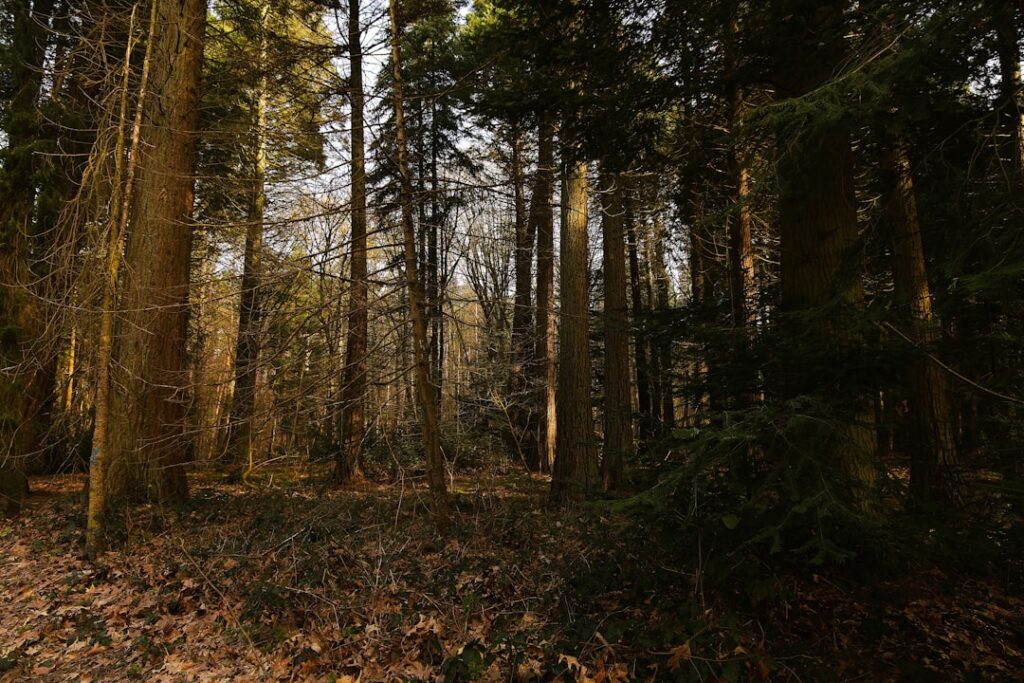

The modern world often presents a unique set of challenges to individual well-being, characterized by pervasive digital connectivity, urban sprawl, and a general disconnect from natural environments. In response to this trend, a practice known as forest bathing, or Shinrin-yoku in its country of origin, Japan, has gained increasing recognition for its potential health benefits. This article will explore the scientific underpinnings and practical applications of forest bathing, examining its historical context, physiological impacts, psychological benefits, and the ways in which it can be integrated into contemporary lifestyles.
The concept of forest bathing is not merely a recent fad but a practice deeply rooted in cultural traditions and a growing body of scientific inquiry.
Historical Context in Japan
Shinrin-yoku, literally translating to “taking in the forest atmosphere” or “forest bathing,” was officially designated as a national public health initiative by the Japanese government in 1982. This initiative was a deliberate response to the escalating rates of stress-related illnesses and the increasingly urbanized lifestyles prevalent in post-industrial Japan. The aim was to encourage people to visit forests for therapeutic purposes, moving beyond simple recreational activities to a more mindful engagement with nature.
Western Adaptation and Scientific Interest
While the practice originated in Japan, its principles have resonated with growing interest in nature-based therapies across the Western world. Researchers and healthcare professionals in various countries have begun to investigate the scientific mechanisms behind the observed benefits of forest bathing, translating a traditional practice into a quantifiable therapeutic intervention. This adaptation involves not just cultural translation but also an empirical assessment of its efficacy for diverse populations.
Physiological Impacts of Forest Bathing
The claimed benefits of forest bathing are not solely anecdotal; a significant body of research points to measurable physiological changes in individuals who regularly engage in this practice.
Reduction in Stress Hormones
Studies have consistently demonstrated that time spent in forest environments can lead to a quantifiable reduction in cortisol levels. Cortisol, often referred to as the “stress hormone,” plays a crucial role in the body’s fight-or-flight response. Elevated and prolonged cortisol levels are associated with a range of health problems, including weakened immune function, cardiovascular disease, and metabolic disorders. Forest environments appear to trigger a parasympathetic nervous system response, promoting relaxation and mitigating the physiological manifestations of stress.
Mechanism of Action: Phytoncides
A key contributor to these physiological changes is believed to be phytoncides. These are airborne chemicals emitted by trees, particularly coniferous species, as a defense mechanism against insects and fungi. When inhaled by humans, phytoncides have been shown to influence immune system activity, specifically increasing the number and activity of Natural Killer (NK) cells. NK cells are a type of white blood cell that plays a vital role in identifying and destroying virus-infected cells and tumor cells.
Lowered Blood Pressure and Heart Rate
Another consistent finding in forest bathing research is its capacity to reduce both systolic and diastolic blood pressure, as well as heart rate. These physiological indicators are directly linked to cardiovascular health. Chronic hypertension and sustained elevated heart rates are significant risk factors for heart disease and stroke. The calming environment of a forest walk, devoid of many urban stressors, appears to regulate the cardiovascular system, contributing to better overall heart health.
Enhanced Immune Function
Beyond the impact on NK cells, broader aspects of immune system modulation have been documented. Research suggests that forest bathing can lead to a sustained boost in immune function, with effects lasting for several days or even weeks after a single forest visit. This long-lasting effect underscores the potential of regular engagement with natural environments as a preventative health measure, strengthening the body’s natural defenses against various pathogens.
Psychological Benefits of Forest Bathing
Beyond the measurable physiological shifts, forest bathing also confers substantial psychological advantages, addressing common mental health challenges prevalent in contemporary society.
Reduction in Anxiety and Depression
Exposure to natural environments has been repeatedly linked to a decrease in symptoms of anxiety and depression. The sensory input of a forest—the sights, sounds, and smells—can be intrinsically calming and restorative. The absence of urban overstimulation allows the mind to quiet, reducing rumination and promoting a sense of peace. For individuals grappling with mood disorders, forest bathing offers a complementary approach to traditional therapeutic interventions, providing a natural avenue for emotional regulation.
Improved Mood and Cognitive Function
Participants in forest bathing studies often report an uplifted mood, increased feelings of vigor, and reduced fatigue. This positive shift is not merely subjective; it is often accompanied by improvements in cognitive function. This includes enhanced attention span, improved problem-solving abilities, and greater creativity. The “soft fascination” of natural environments, as opposed to the “directed attention” required by urban tasks, allows for mental restoration and resource replenishment, leading to a clearer and more agile mind.
Attention Restoration Theory
This concept aligns with the Attention Restoration Theory (ART), which posits that exposure to natural environments allows for the recovery of directed attention capacity. Urban environments demand constant directed attention, leading to mental fatigue. Natural settings, with their inherently interesting yet non-demanding stimuli, allow for effortless engagement, thus restoring cognitive resources.
Practical Integration into Modern Lifestyles
While the benefits are clear, successfully integrating forest bathing into busy modern lives requires intentionality and practical strategies.
Finding Accessible Green Spaces
The core of forest bathing lies in immersion within a natural environment. For many, this necessitates identifying and utilizing accessible green spaces, whether they are designated national forests, local parks, botanical gardens, or even tree-lined urban pathways. The key is to seek out areas with a sufficient canopy cover and a relative absence of artificial stimuli. Even small pockets of nature can offer restorative benefits.
Mindful Engagement Techniques
Forest bathing is distinct from a casual walk or strenuous hike. It emphasizes mindful engagement with the environment through the senses. This involves slowing down, paying attention to the sounds of rustling leaves or birdsong, noticing the textures of bark and moss, inhaling the earthy scent of the forest floor, and observing the interplay of light and shadow. Specific exercises can facilitate this, such as silent walking, focused breathing, or simply finding a spot to sit and observe.
Sensory Awareness Exercises
- Auditory Focus: Dedicate a few minutes to consciously listening to all the sounds within the forest, identifying individual sounds rather than perceiving them as a general hum.
- Olfactory Exploration: Inhale deeply, noticing the distinct scents of soil, leaves, pine needles, and any blooming flora.
- Tactile Engagement: Gently touch bark, leaves, or moss, paying attention to their textures and temperatures.
Addressing Challenges and Considerations
| Study | Findings |
|---|---|
| Li et al. (2008) | Improved immune function and lower blood pressure |
| Lee et al. (2011) | Reduced cortisol levels and improved mood |
| Mao et al. (2012) | Improved cardiovascular and metabolic health |
| Oh et al. (2017) | Enhanced parasympathetic nervous activity and reduced stress |
While forest bathing offers numerous benefits, it is important to address potential limitations and practical considerations for its widespread adoption.
Accessibility and Equity
A significant challenge lies in ensuring equitable access to natural environments. Urban populations, particularly those in disadvantaged communities, often have limited access to green spaces. Addressing this requires urban planning initiatives that prioritize the creation and preservation of parks and tree-lined areas, ensuring that the benefits of nature are not exclusive to certain demographics.
Safety and Preparedness
Engaging with nature always necessitates a degree of safety awareness. This includes being prepared for weather conditions, understanding local wildlife, and being mindful of terrain. For individuals venturing into more remote areas, informing others of one’s whereabouts and carrying appropriate supplies, such as water and a means of communication, are prudent measures.
Overcoming Perceived Time Constraints
One of the most frequently cited barriers to forest bathing is the perception of time scarcity. In modern, fast-paced societies, dedicating an hour or more to a mindful walk in nature can feel like a luxury. Addressing this requires a shift in perspective, recognizing forest bathing not as an indulgence but as a necessary investment in mental and physical health, comparable to other forms of self-care. Even short, consistent engagements, such as a 20-minute walk in a local park, can contribute to well-being.
In conclusion, forest bathing represents a potent, accessible, and scientifically supported approach to enhancing human health and well-being. From its origins as a public health initiative in Japan to its growing acceptance and adaptation globally, the practice demonstrates a consistent capacity to reduce stress, improve cardiovascular and immune function, and alleviate symptoms of anxiety and depression. While challenges related to accessibility and time constraints persist, the demonstrable benefits underscore the importance of integrating mindful engagement with natural environments into contemporary lifestyles as a valuable component of preventative health and holistic self-care.
FAQs
What is forest bathing?
Forest bathing, or shinrin-yoku in Japanese, is the practice of immersing oneself in the forest atmosphere to experience the healing properties of nature. It involves slow, mindful walks through the forest, taking in the sights, sounds, and smells of the natural environment.
What are the benefits of forest bathing?
Research has shown that forest bathing can reduce stress, lower blood pressure, boost the immune system, and improve overall feelings of well-being. It has also been linked to improved mood, increased energy levels, and enhanced creativity.
What is the science behind forest bathing?
The science behind forest bathing lies in the therapeutic effects of phytoncides, which are organic compounds emitted by trees and plants. Inhaling phytoncides has been shown to reduce stress hormones, lower blood pressure, and improve immune function.
How often should one practice forest bathing?
While any amount of time spent in nature can be beneficial, studies have shown that the effects of forest bathing are most pronounced when practiced for at least 2-3 hours at a time. However, even short walks in the forest can have positive effects on mental and physical well-being.
Are there any precautions to take when forest bathing?
It’s important to be mindful of potential hazards in the forest, such as uneven terrain, wildlife, and weather conditions. It’s also advisable to be aware of any allergies to plants or insect bites. Additionally, it’s recommended to stay on designated trails and to let someone know your plans before heading into the forest.