
The convergence of human curiosity and the formidable power of the natural world has long fueled a distinct form of exploration: adventure travel. This pursuit, characterized by its emphasis on physical engagement and exposure to challenging environments, offers individuals an opportunity to transcend conventional tourism and immerse themselves in experiences that demand resilience and adaptation. Rather than prioritizing comfort or passive observation, adventure travel seeks out active participation within landscapes that often defy easy assimilation.
The concept of adventure travel, while seemingly contemporary, possesses historical roots deeply intertwined with human exploration. Early expeditions, driven by scientific inquiry, trade routes, or territorial expansion, often involved traversing arduous terrain and confronting unpredictable natural elements. These endeavors, though primarily utilitarian, laid the groundwork for the modern embrace of adventure.
From Exploration to Recreation
Historically, exploration was a necessity, a means to understand and exploit unknown territories. Individuals like Ferdinand Magellan or David Livingstone embarked on journeys fraught with peril, not for leisure, but for discovery and conquest. The narratives of these explorers, detailing their struggles against the wilderness, undoubtedly planted seeds of inspiration for later generations.
The Rise of the Adventure Tourism Industry
The 20th century witnessed a significant shift. With increased leisure time and disposable income in developed nations, coupled with advancements in gear and transportation, the pursuit of challenging natural experiences transitioned from professional necessity to recreational aspiration. Companies began to specialize in organizing expeditions for the public, offering guided treks, climbs, and rafting trips that previously were only accessible to seasoned professionals. This commercialization made adventure more attainable, but also brought with it the imperative to balance accessibility with ecological responsibility.
Diverse Manifestations of Adventure
Adventure travel is not a monolithic activity; it encompasses a vast spectrum of experiences, each tailored to different levels of physical prowess, risk tolerance, and environmental preferences. This diversity ensures a broad appeal, allowing individuals to find their niche within the wider adventure community.
Mountain and High-Altitude Pursuits
Mountaineering and trekking remain cornerstone activities in adventure travel. These pursuits involve navigating challenging alpine environments, often requiring specialized equipment and skills.
Trekking and Hiking
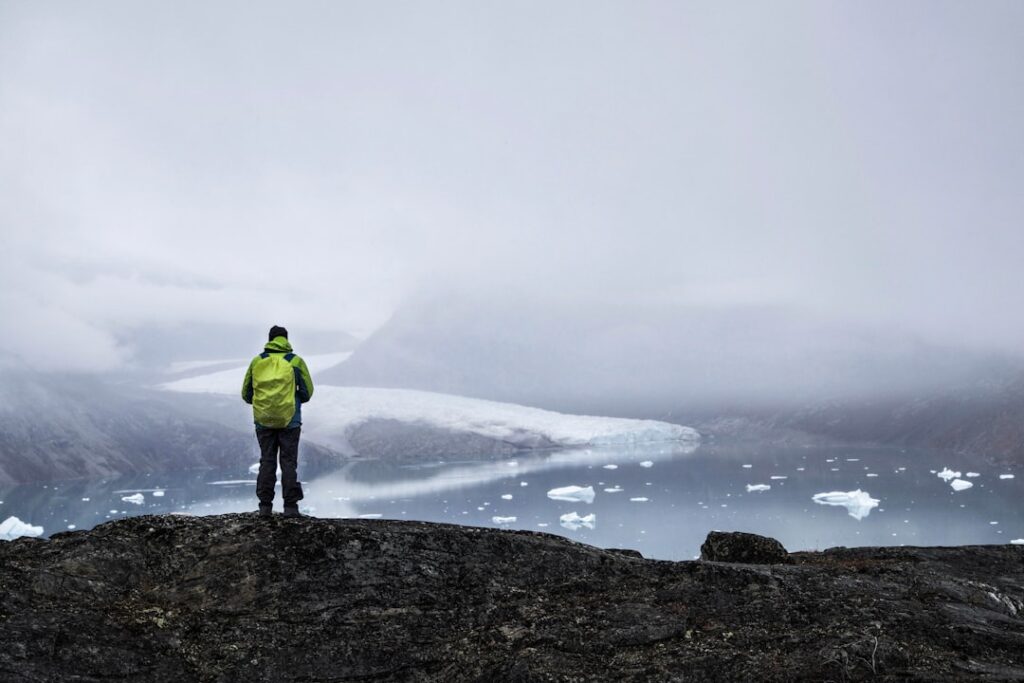
Trekking, ranging from multi-day hikes through established trails to strenuous expeditions across remote wilderness, emphasizes endurance and self-sufficiency. Destinations like the Himalayas, Patagonia, or the European Alps attract thousands annually, drawn by the prospect of dramatic scenery and the physical exertion required to access it. These journeys often involve carrying one’s own supplies, camping in designated areas, and adapting to variable weather conditions.
Rock Climbing and Mountaineering
At the more extreme end, rock climbing and mountaineering demand advanced technical skills, physical strength, and a high degree of risk assessment. Whether scaling a sheer rock face or ascending a glaciated peak, these activities push the limits of human capability. Popular locations include Yosemite National Park, the Dolomites, and the peaks of the Karakoram range. Participants often undergo extensive training and require specialized safety equipment.
Water-Based Adventures
The planet’s oceans, rivers, and lakes offer a distinct set of adventure opportunities, often combining an element of thrill with unique perspectives on aquatic ecosystems.
Whitewater Sports
Rafting, kayaking, and canoeing on whitewater rivers provide an exhilarating experience, navigating rapids and currents that demand teamwork and quick decision-making. Rivers like the Colorado, the Zambezi, or the Tatshenshini are renowned for their challenging stretches and dramatic scenery. These activities require proper safety briefings and often involve professional guides.
Diving and Snorkeling
For those inclined to explore beneath the surface, scuba diving and snorkeling offer an unparalleled opportunity to witness marine life and underwater landscapes. From coral reefs in the Great Barrier Reef to cenotes in Mexico, these activities expose participants to unique ecosystems and a sense of weightlessness. Responsible diving practices are paramount to minimize environmental impact.
Land-Based Exploration and Movement
Beyond mountains and water, other land-based activities provide avenues for adventure, often focused on endurance, navigation, and interaction with specific ecosystems.
Biking and Cycling Tours
Mountain biking through rugged trails or embarking on multi-day cycling tours across diverse landscapes offers a blend of physical challenge and scenic immersion. Routes like the Great Divide Mountain Bike Route or various European long-distance paths cater to different skill levels and preferences. The emphasis here is on self-propelled travel and observing the environment at a more intimate pace.
Overland Expeditions
Overland travel, whether by off-road vehicle, motorcycle, or even camel, involves extended journeys across remote and challenging terrains. These expeditions often prioritize self-reliance, vehicle maintenance skills, and the ability to adapt to unforeseen circumstances. Destinations like the Sahara Desert, the Australian Outback, or the vast expanses of Central Asia are popular for such ventures.
The Intersection of Risk and Reward

A defining characteristic of adventure travel is its inherent element of risk. Unlike conventional tourism, where discomfort is minimized, adventure often actively embraces situations that demand resilience and problem-solving. This engagement with risk, while carefully managed, is often a core component of the appeal.
Managing Perceived and Actual Risk
Experienced adventure operators and guides prioritize safety through meticulous planning, appropriate equipment, and comprehensive training. However, the nature of these activities means that complete elimination of risk is impossible. Participants are often educated on potential hazards, ranging from unpredictable weather and terrain difficulties to wildlife encounters and medical emergencies. The perceived risk often contributes to the psychological impact of the experience, while actual risk is mitigated through expertise and preparation.
The Psychological Benefits of Challenge
Successfully navigating challenging environments and overcoming personal limitations often leads to profound psychological benefits. These can include increased self-confidence, enhanced problem-solving skills, greater appreciation for nature, and a renewed sense of perspective. The feeling of accomplishment derived from pushing oneself beyond established comfort zones acts as a powerful motivator for many adventure travelers.
Responsible Engagement with Nature
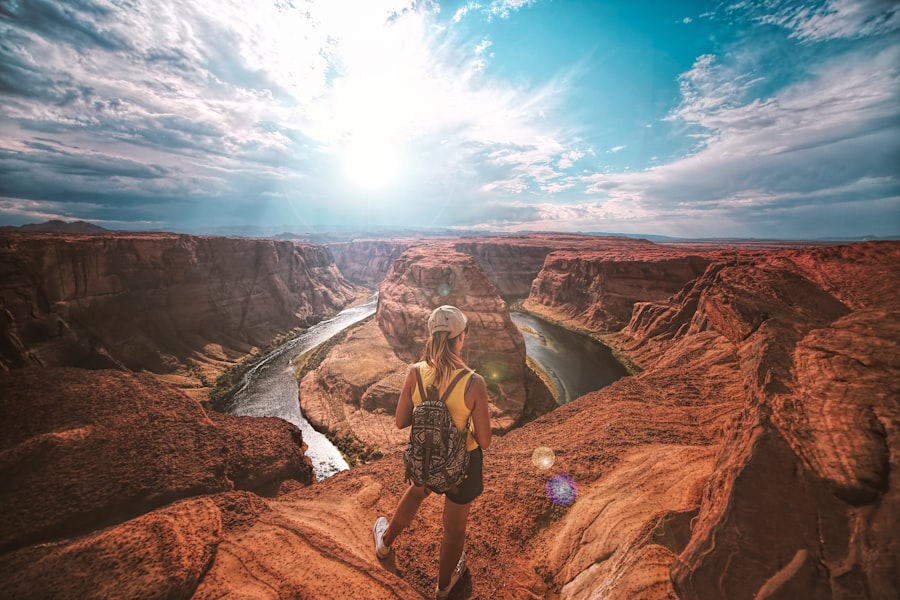
As adventure travel gains popularity, so too does the imperative for responsible practices. The very environments that draw adventurers are often fragile and susceptible to human impact. Ethical engagement is crucial to preserving these natural wonders for future generations.
Leave No Trace Principles
The “Leave No Trace” principles are fundamental to responsible adventure travel. These guidelines, encompassing planning ahead, proper waste disposal, minimizing impact on trails, respecting wildlife, and being considerate of other visitors, aim to reduce the ecological footprint of human activity in natural areas. Adherence to these principles is not merely a suggestion, but a necessity for sustainable adventure.
Supporting Local Communities
Adventure travel can also be a significant economic driver for remote communities. Choosing operators who employ local guides, utilize local services, and promote cultural exchange helps ensure that economic benefits are directly channeled back into the regions being visited. This symbiotic relationship between travelers and local populations can foster greater appreciation for conservation and sustainable development.
Conservation and Environmental Stewardship
Many adventure travelers are inherently drawn to nature and, as such, are often strong advocates for conservation. Participation in citizen science initiatives, supporting environmental organizations, or simply adhering to environmentally sound practices while traveling contribute to the broader goal of preserving natural habitats. The unique perspective gained from deep immersion in wild environments often cultivates a strong sense of stewardship.
The Future Landscape of Adventure Travel
| Adventure Travel Metrics | 2019 | 2020 |
|---|---|---|
| Number of Adventure Travelers | 10 million | 8 million |
| Top Adventure Travel Destinations | Costa Rica, New Zealand, Iceland | Nepal, Peru, South Africa |
| Popular Adventure Activities | Hiking, Scuba Diving, Zip-lining | Mountaineering, Rafting, Safari |
The adventure travel industry continues to evolve, shaped by technological advancements, shifting consumer preferences, and a growing recognition of environmental concerns. Innovations in gear design, communication technology, and navigation tools are continuously enhancing safety and accessibility.
Technological Integration
GPS devices, satellite phones, high-performance materials, and specialized computing applications have significantly altered the landscape of adventure. These tools allow for more accurate navigation, better communication in remote areas, and more comfortable experiences. However, the balance between leveraging technology and preserving the raw, challenging essence of adventure remains an ongoing discussion.
Sustainability as a Core Value
As global awareness of climate change and environmental degradation increases, sustainability is no longer merely an add-on but a fundamental expectation for many travelers. Adventure travel companies are increasingly integrating sustainable practices into their operations, from minimizing carbon footprints to supporting local conservation projects. This shift reflects a broader conscience within the travel industry.
The Quest for Authentic Experiences
Despite the comforts and conveniences offered by modern technology, many adventure travelers still seek authentic experiences that connect them deeply with nature and local cultures. This often means choosing less-traveled paths, engaging in activities that require genuine effort, and interacting respectfully with indigenous communities. The desire for a profound and genuine encounter with the natural world continues to be a powerful draw, underpinning the enduring appeal of adventure travel.
FAQs
What is adventure travel?
Adventure travel refers to a type of tourism that involves exploration or travel to remote, exotic, and possibly hostile areas. It often involves activities such as mountaineering, trekking, bungee jumping, rafting, and rock climbing.
What are the benefits of adventure travel?
Adventure travel offers a range of benefits, including physical exercise, exposure to new cultures, and the opportunity to challenge oneself. It can also lead to personal growth, increased self-confidence, and a greater appreciation for nature.
What are some popular adventure travel destinations?
Popular adventure travel destinations include the Himalayas for trekking and mountaineering, the Amazon rainforest for wildlife exploration, and New Zealand for activities such as bungee jumping and skydiving. Other popular destinations include Patagonia, Iceland, and Costa Rica.
What should I consider before embarking on an adventure travel trip?
Before embarking on an adventure travel trip, it’s important to consider factors such as physical fitness, the level of risk involved in the activities, the climate and terrain of the destination, and the necessary equipment and gear. It’s also important to research the local customs and regulations.
How can I ensure safety during adventure travel?
To ensure safety during adventure travel, it’s important to choose reputable tour operators and guides, follow all safety guidelines and instructions, and be prepared for emergencies with first aid training and appropriate gear. It’s also important to be aware of one’s physical limitations and to take necessary precautions.