
I embark on journeys frequently, both for business and leisure, and over the years, I have meticulously refined my approach to travel, transforming potential pitfalls into predictable paths. My experiences have crystallized into a set of principles designed to optimize the travel experience, rendering it as smooth and stress-free as possible. This article aims to distill these hard-won lessons, offering you a comprehensive guide to navigating the complexities of travel with foresight and confidence.
Effective travel begins long before I ever step foot outside my door, let alone enter an airport or train station. It’s a strategic undertaking, where every decision made in advance acts as a brick in the foundation of a successful journey. Neglecting this crucial phase is akin to building a house on sand; the structure may stand for a while, but it is inherently vulnerable.
Research and Itinerary Planning
My first step is always thorough research. This isn’t merely about identifying a destination; it’s about understanding its nuances. I delve into the cultural landscape, local customs, and prevailing social norms. What are the common greetings? Are there specific dress codes for religious sites or public areas? Understanding these subtleties prevents inadvertent cultural faux pas and fosters a more respectful interaction with the local populace.
Simultaneously, I engage in meticulous itinerary planning. This involves more than just booking flights and accommodation. I create a daily breakdown, outlining potential activities, dining options, and transportation logistics. This isn’t to say I adhere to it rigidly; flexibility is paramount. However, having a scaffold provides a sense of direction and prevents the inertia of indecision, a common traveler’s lament. For instance, I might allot a morning for visiting a museum, an afternoon for a specific neighborhood, and an evening for a local culinary experience. However, if a serendipitous street market unfolds, I am prepared to pivot and embrace the unexpected.
Documentation and Financial Management
My travel documents are the bedrock of my journey. Before any departure, I perform a comprehensive check: passport validity (ensuring it extends at least six months beyond my intended return date, a common international requirement), visa requirements for my destination(s), and any necessary travel insurance policies. I maintain both physical and digital copies of all critical documents – passport, visa, flight and accommodation confirmations, and insurance details. The digital copies are stored securely in cloud storage and accessible offline, acting as a lifeline if physical documents are misplaced or stolen. This redundancy is a non-negotiable safeguard.
Financial preparedness is also paramount. I never rely solely on a single payment method. I carry a combination of credit cards, debit cards, and a small amount of local currency. Before traveling, I inform my banks of my international travel plans to prevent any transaction flags that might lead to card suspension. Researching the local currency exchange rates and the prevalence of card payments versus cash is also crucial. Some regions are predominantly cash-based, while others readily accept digital payments. Being informed prevents awkward situations at payment counters and ensures financial fluidity.
When planning your next adventure, it’s essential to consider not just your destination but also how to enhance your travel experience. For insightful travel tips that can help you make the most of your journey, check out this related article on crafting engaging booklets for modern audiences. These booklets can serve as a fantastic way to document your travels and share experiences with others. You can read more about it here: The Art of Crafting Engaging Booklets for Modern Audiences.
Packing Smart: The Art of Efficient Enclosure
My approach to packing is less about stuffing and more about strategic selection. I view my luggage as a portable ecosystem, each item having a specific purpose and contributing to the overall utility of my travel experience. Overpacking is a chronic ailment for many travelers, leading to unnecessary weight, exorbitant baggage fees, and the proverbial “suitcase full of clothes I never wore.”
Capsule Wardrobe and Versatility
I swear by the capsule wardrobe philosophy. This involves selecting a limited number of interchangeable clothing items that can be mixed and matched to create multiple outfits. My focus is on versatile pieces in neutral colors, allowing for easy coordination. For instance, a pair of dark-wash jeans, a couple of plain t-shirts, a versatile button-down shirt, and a light jacket can form the core of my wardrobe for various situations. I prioritize fabrics that are wrinkle-resistant and quick-drying, mitigating the need for extensive ironing and facilitating laundry on the go.
Footwear is another critical consideration. I typically pack no more than two pairs: one comfortable walking shoe for daytime exploration and one slightly dressier, yet still comfortable, option for evenings. This minimizes bulk while ensuring I am appropriately shod for different activities. The key here is not just about bringing fewer items, but bringing the right items that maximize utility.
Essential Gadgets and Health Kit
In today’s interconnected world, certain gadgets have become indispensable travel companions. My go-to items include a universal travel adapter, a portable power bank, and noise-canceling headphones. The universal adapter ensures I can charge my devices regardless of the local power outlets, while the power bank acts as a reliable backup for my phone, especially during long travel days or when access to power outlets is limited. Noise-canceling headphones are a game-changer for long flights, train rides, or even just finding a moment of calm in a bustling airport. I also pre-download offline maps and essential translation apps to minimize data usage and ensure navigation capabilities even without internet access.
My personal health kit is a miniature pharmacy designed to address minor ailments and emergencies. It always contains pain relievers, anti-diarrhea medication, antiseptic wipes, bandages, and any specific prescription medications I require. I keep all medications in their original packaging with doctor’s notes (if applicable) to avoid any issues at customs. This proactive approach to health means I am not scrambling for remedies in an unfamiliar environment, allowing me to address minor health issues promptly and prevent them from escalating into more significant problems.
Navigational Acumen: Charting Your Course
Once I arrive at my destination, effective navigation becomes the primary focus. The initial hours can often feel disorienting, a blur of new sights and sounds. My strategy is to quickly orient myself and establish a sense of control, turning potential confusion into confident exploration.
Local Transportation Mastery
Before I even land, I research the most efficient and cost-effective local transportation options from the airport or train station to my accommodation. Is there a reliable public transport system? Are ride-sharing services prevalent and trustworthy? Or is a pre-booked taxi the safest bet? Understanding these options prevents me from being caught off guard and potentially overpaying for transport.
Once settled, I make it my mission to understand the local public transportation network – metros, buses, trams. I download relevant apps, purchase local travel cards if available, and familiarize myself with key routes and schedules. This allows me to move freely and independently, transforming the city from an intimidating labyrinth into a navigable landscape. I consider the public transport system the bloodstream of a city; understanding its flow allows me to access its heart.
Digital and Analog Map Reliance
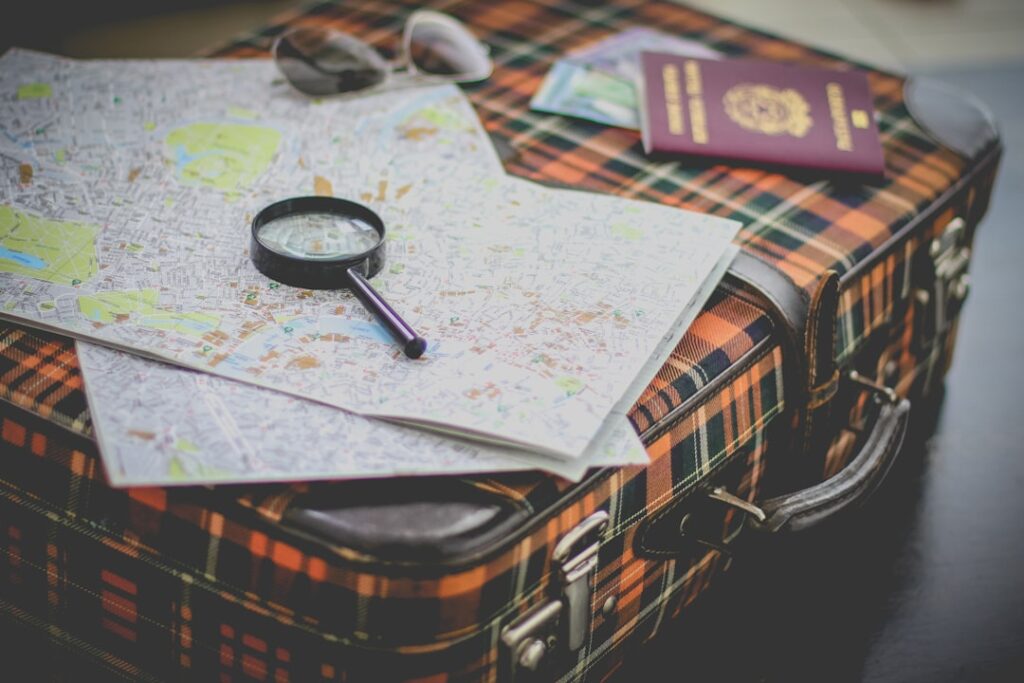
While digital maps are undeniably powerful, I never solely rely on them. My travel toolkit always includes a physical map, whether a printed copy or a tourist-supplied version. Technology, despite its advancements, can fail – batteries die, signal drops, or applications glitch. A physical map serves as a crucial backup, a tangible anchor in an unfamiliar environment.
I also utilize the offline map features of applications like Google Maps or Apple Maps, downloading the relevant areas before I depart my accommodation with Wi-Fi. This ensures I can navigate effectively even without an active internet connection. Furthermore, I make a habit of noting down the address of my accommodation and a local emergency contact in both my phone and on a physical card, just in case my phone is lost or stolen.
Cultural Immersion and Safety: Bridging Divides
Traveling, for me, is not just about seeing new places, but experiencing them through the lens of their inhabitants. This involves a conscious effort to engage with the local culture and uphold personal safety, making me not just a visitor, but an engaged participant.
Respectful Engagement and Language Basics
My philosophy is rooted in respect. I make a genuine effort to learn a few basic phrases in the local language – “hello,” “please,” “thank you,” “excuse me,” and “goodbye.” Even a rudimentary attempt at communication can open doors and elicit a warmer response from locals. It shows an acknowledgement and appreciation for their culture. I also research and observe local customs related to greetings, dining etiquette, and appropriate attire, ensuring I do not inadvertently cause offense. For example, in some cultures, refusing an offer of food is considered impolite, while in others, direct eye contact can be seen as aggressive. Understanding these nuances fosters smoother interactions.
Prioritizing Personal Safety
Safety is a non-negotiable priority. I maintain vigilance without succumbing to paranoia. This involves being aware of my surroundings, particularly in crowded areas or at night. I research common scams in the region I am visiting and take precautions to avoid them. For instance, I am wary of unsolicited offers or individuals who seem overly eager to “help” me. My valuables are always kept secure, often utilizing a money belt or a discreet internal pocket. I avoid ostentatious displays of wealth and try to blend in as much as possible, as standing out can make me a target. I also share my itinerary with a trusted friend or family member back home, ensuring someone knows my general whereabouts, a crucial safety net.
When planning your next adventure, it’s essential to consider not only your travel itinerary but also the environment you’ll be staying in. For those interested in maintaining a healthy space while traveling, you might find it helpful to explore the benefits of using eco-friendly solutions. A related article on non-toxic cleaning products can provide valuable insights into creating a safer and healthier environment during your trips. You can read more about it here. By incorporating these tips, you can ensure that your travels are not only enjoyable but also contribute positively to your well-being.
Embracing Flexibility and Reflective Return: The Journey’s End and Beyond
| Tip | Description | Benefit | Recommended For |
|---|---|---|---|
| Pack Light | Bring only essential items to avoid heavy luggage. | Easy mobility and reduced baggage fees. | All travelers |
| Carry a Power Bank | Keep your devices charged on the go. | Stay connected and avoid dead batteries. | Tech users, long trips |
| Learn Basic Local Phrases | Know simple greetings and questions in the local language. | Improves communication and cultural experience. | International travelers |
| Use Travel Apps | Download apps for maps, translation, and bookings. | Convenience and better trip planning. | All travelers |
| Keep Copies of Important Documents | Have digital and physical copies of passport, ID, and tickets. | Quick recovery in case of loss or theft. | All travelers |
| Stay Hydrated | Drink plenty of water, especially during flights. | Prevents dehydration and jet lag symptoms. | All travelers |
| Check Weather Forecast | Know the weather conditions before packing and planning activities. | Better preparation and comfort. | All travelers |
| Inform Bank About Travel | Notify your bank to avoid card blocks abroad. | Uninterrupted access to funds. | International travelers |
Even the most meticulously planned journey can encounter unexpected detours. My experience has taught me that the true measure of a smooth journey lies not in the absence of problems, but in my ability to adapt and respond to them. The journey’s end is also an opportunity for reflection, solidifying the lessons learned and preparing for future adventures.
Adaptability and Problem Solving
I view unforeseen issues not as roadblocks, but as opportunities for creative problem-solving. A delayed flight, a booked-out attraction, or a missed connection – these are all common components of travel. My response is to remain calm, assess the situation logically, and explore alternative solutions. For instance, if a restaurant I planned to visit is closed, I ask locals for recommendations, often discovering an even more authentic culinary gem. This adaptability transforms potential frustration into an enriching experience. I carry a small notebook and pen, a low-tech yet highly effective tool for jotting down unexpected discoveries, contact numbers, or alternative plans. This allows me to maintain a degree of control even when circumstances are outside my direct influence.
Post-Travel Reflection and Future Planning
Upon my return, my journey isn’t truly over. I engage in a process of post-travel reflection. I review my experiences, considering what went well and what could have been improved. Did my packing strategy serve me effectively? Were my financial precautions adequate? Did I fully leverage the local transportation? This self-assessment is invaluable for refining my travel strategies for future trips. I also take the time to organize my photos, document my memories, and perhaps even write a short journal entry about my highlights and insights. This not only preserves the memories but also distills the practical lessons learned. Each journey, therefore, becomes a stepping stone, building upon the knowledge and wisdom gained from the last, making every subsequent adventure smoother, richer, and more rewarding.
FAQs
What are some essential items to pack for any trip?
Essential items to pack include a valid passport or ID, travel tickets, necessary medications, a first aid kit, chargers for electronic devices, comfortable clothing, and toiletries. It’s also helpful to bring a reusable water bottle and travel-sized hygiene products.
How can I save money while traveling?
To save money, consider booking flights and accommodations in advance, traveling during off-peak seasons, using public transportation, eating at local restaurants, and looking for free or low-cost attractions. Additionally, using travel reward programs and discount apps can help reduce expenses.
What are some tips for staying safe while traveling?
Stay safe by keeping your valuables secure, being aware of your surroundings, avoiding poorly lit or isolated areas, keeping copies of important documents, and informing someone about your travel plans. It’s also advisable to have travel insurance and know emergency contact numbers for your destination.
How can I manage jet lag effectively?
To manage jet lag, try adjusting your sleep schedule before departure, stay hydrated, avoid alcohol and caffeine during the flight, get exposure to natural light upon arrival, and take short naps if necessary. Gradually adapting to the new time zone helps your body adjust faster.
What should I know about local customs and etiquette when traveling?
Research local customs, traditions, and etiquette before your trip to show respect and avoid misunderstandings. This includes appropriate dress codes, tipping practices, greetings, and behavior in religious or cultural sites. Being informed helps create positive interactions with locals.