
The allure of high-altitude environments has fueled a discernible shift in travel preferences, marking mountain getaways and high-altitude travel as a prominent trend. Travelers are increasingly seeking out destinations characterized by dramatic landscapes, unique ecological systems, and the inherent challenges that come with elevation. This trend is not merely about picturesque views; it encompasses a desire for immersive experiences, physical engagement, and a disconnection from the ordinary.
The foundational draw of mountain and high-altitude regions lies in their intrinsic grandeur. These environments offer a stark contrast to urban or coastal settings, providing a sense of scale and natural power that can be deeply impactful.
Visual Spectacle
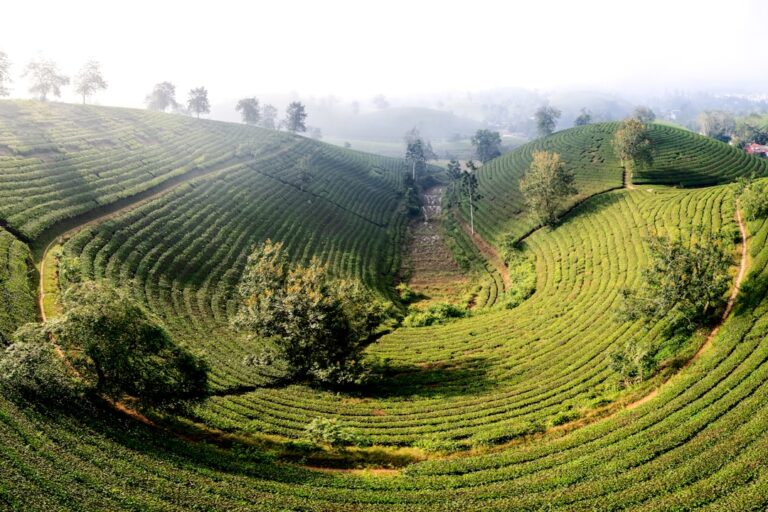
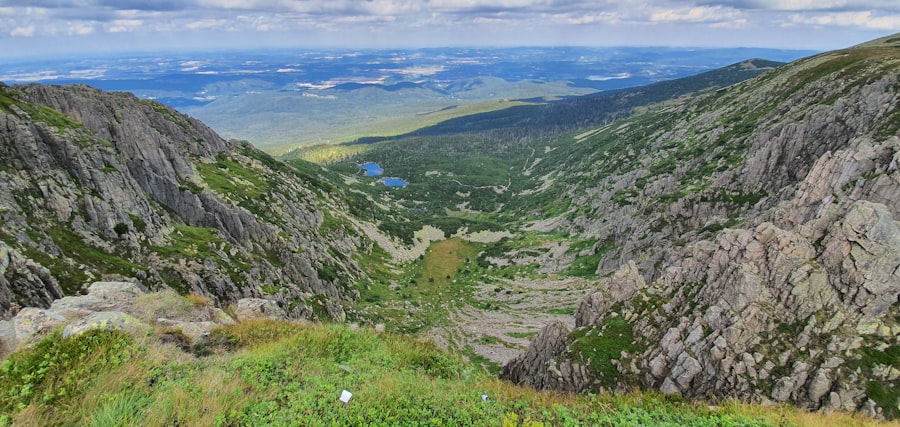
The visual appeal of mountain ranges is undeniable. Towering peaks, often snow-capped even in warmer months, deep valleys carved by ancient glaciers, and expansive vistas stretching for hundreds of miles create a dramatic backdrop. These landscapes provide a sense of awe and a tangible connection to the planet’s geological forces. The interplay of light and shadow on jagged ridges, the vibrant hues of alpine flora, and the often-clear skies contribute to an unparalleled visual experience. Photography, for many, becomes an integral part of such journeys, as they attempt to capture the grandeur that surrounds them.
Unique Ecosystems
High-altitude environments host specialized ecosystems, adapted to extreme conditions. The flora and fauna found in these regions are often unique, showcasing remarkable resilience and evolutionary adaptations.
Alpine Flora
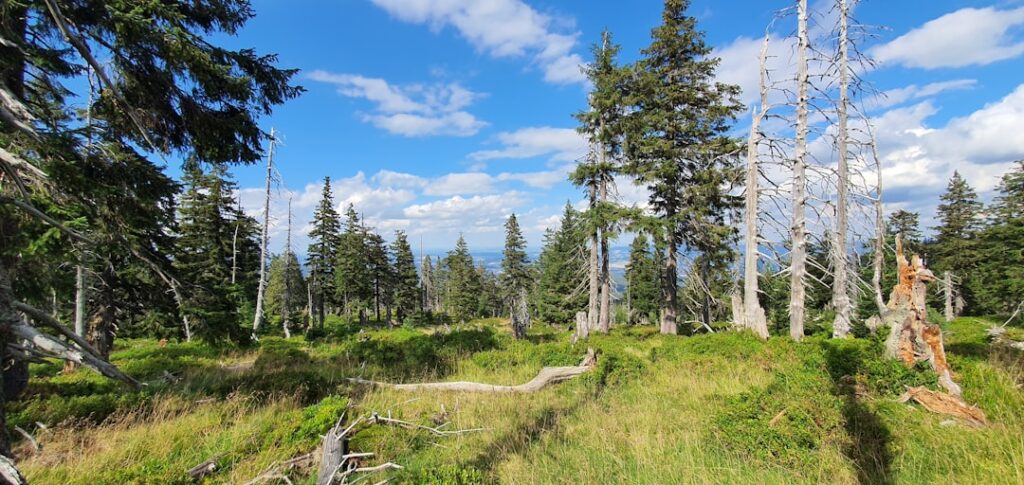
From delicate wildflowers that bloom briefly in narrow alpine meadows to hardy conifers clinging to rocky slopes, the plant life in mountain regions is diverse and fascinating. Enthusiasts of botany often find these areas to be compelling study grounds. The changes in vegetation zones as one ascends provide a clear illustration of ecological principles in practice.
Specialized Fauna
Wildlife in high-altitude regions has developed specific adaptations to survive low oxygen levels, harsh winters, and sparse vegetation. Sightings of animals such as ibex, chamois, marmots, or various bird species, though not guaranteed, are a significant draw for nature lovers. Observing these creatures in their natural habitat offers a glimpse into a world governed by survival and adaptation.
Engaging with the Environment
Beyond visual appreciation, a key aspect of this trend involves active engagement with the mountain environment. Travelers are not merely observers but participants, seeking experiences that challenge and reward them.
Trekking and Mountaineering
The most direct form of engagement with mountains is through various forms of trekking and mountaineering. These activities range from moderate day hikes to multi-day expeditions that require significant physical preparation and specialized equipment.
Day Hikes and Short Treks
For many, exploring mountain regions begins with well-marked trails that offer manageable distances and elevations. These provide access to viewpoints, waterfalls, and alpine lakes without demanding advanced technical skills. They offer an accessible entry point for experiencing the benefits of high-altitude environments.
Multi-Day Expeditions
More ambitious travelers gravitate towards multi-day treks, often involving wilderness camping or stays in mountain huts. These expeditions offer a deeper immersion, fostering a sense of self-reliance and resilience. Routes like the Annapurna Circuit in Nepal, sections of the Appalachian Trail in the United States, or the Haute Route in the Alps exemplify this type of venture, attracting a global cohort of adventurers.
Technical Climbing
For a smaller, specialized segment of travelers, technical climbing of peaks represents the ultimate challenge. This involves specialized equipment, extensive training, and a thorough understanding of mountain safety. While a niche activity, it significantly contributes to the overall mystique and allure of high-altitude travel by showcasing the extremes of human endeavor in these environments.
Adventure Sports and Activities
Beyond traditional trekking, mountain environments lend themselves to a wide array of adventure sports, attracting thrill-seekers and those looking to push their boundaries.
Mountain Biking
With the proliferation of purpose-built trails and the increasing availability of electric mountain bikes, this activity has seen a surge in popularity. It combines physical exertion with the opportunity to cover significant distances and experience diverse terrain.
Paragliding and Hang Gliding
For those seeking an aerial perspective, paragliding and hang gliding offer unparalleled views of mountain ranges. Launching from high vantage points and soaring above valleys provides a unique and exhilarating experience.
Ski Mountaineering and Snowboarding
In winter months, the focus shifts to snow sports. Beyond conventional resort skiing, ski mountaineering and snowboarding in backcountry terrain provide a more challenging and often solitude-filled experience, albeit one that demands significant expertise and avalanche awareness.
The Pursuit of Solitude and Wellness
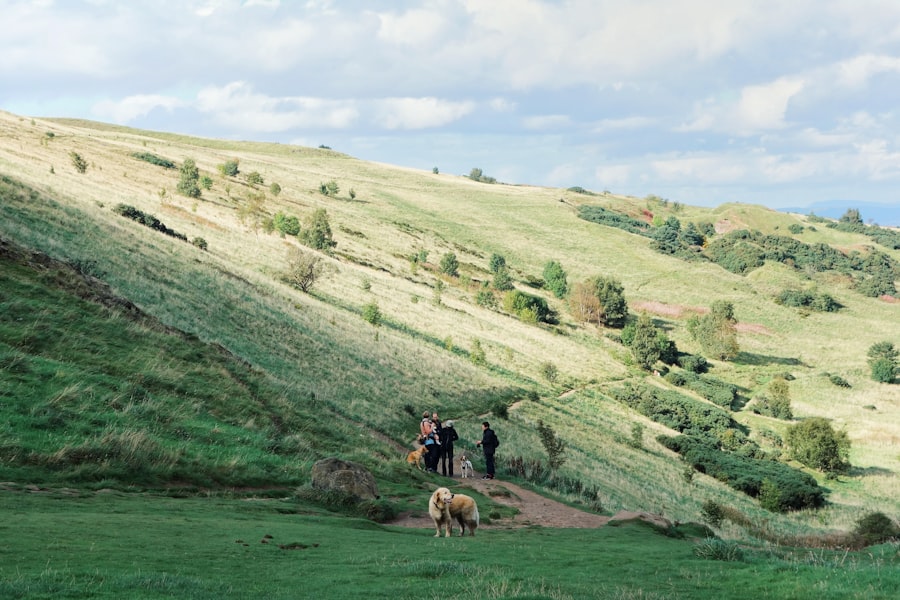
For many, the move towards mountain getaways is driven by a desire for peace, introspection, and a break from the relentless pace of modern life. High-altitude environments, with their inherent remoteness and often limited connectivity, cater to this need.
Disconnection and Digital Detox
The scarcity of reliable internet and mobile phone signals in many high-altitude regions inadvertently fosters a digital detox. This enforced disconnection can lead to a greater presence of mind and an opportunity to reconnect with oneself and nature without constant distractions.
Mental and Physical Wellness
The physical exertion involved in mountain activities, coupled with the fresh, often crisp air, contributes to both physical and mental well-being. Studies have suggested that spending time in nature can reduce stress, improve mood, and enhance cognitive function. The sense of accomplishment after a challenging hike can also significantly boost self-esteem.
Respiratory Benefits
While requiring acclimatization, exposure to higher altitudes can, for some, offer respiratory benefits. The lower oxygen levels stimulate the body to produce more red blood cells, which can improve oxygen delivery and endurance upon returning to lower altitudes. This is often leveraged by athletes in “live high, train low” regimes.
Stress Reduction
The serene environment, the absence of urban noise, and the rhythmic nature of walking in the mountains contribute to a profound sense of calm. This helps in reducing cortisol levels, the primary stress hormone, and promoting a more relaxed state of mind.
Logistical Considerations and Preparedness
While alluring, high-altitude travel presents unique challenges that necessitate careful planning and an understanding of potential risks. Responsible engagement with these environments is paramount.
Acclimatization
One of the most critical aspects of high-altitude travel is acclimatization. Rapid ascent to high elevations (typically above 2,500 meters or 8,000 feet) can lead to Acute Mountain Sickness (AMS), a condition characterized by headaches, nausea, dizziness, and fatigue. More severe forms include High-Altitude Cerebral Edema (HACE) and High-Altitude Pulmonary Edema (HAPE), which can be life-threatening.
Gradual Ascent
The most effective strategy for preventing AMS is a gradual ascent, allowing the body time to adjust to lower oxygen levels. Recommended rates of ascent vary depending on individual physiology and the specific altitude.
Hydration and Nutrition
Maintaining good hydration and a balanced diet are crucial at high altitudes. The dry air and increased exertion can lead to dehydration more quickly, and proper nutrition provides the energy needed for physical activity.
Gear and Equipment
Appropriate gear is not just about comfort; it is a matter of safety. Mountain weather can be unpredictable, with rapid changes in temperature, precipitation, and wind conditions.
Layered Clothing
Layered clothing is essential to adapt to changing temperatures. Wicking base layers, insulating mid-layers, and waterproof/windproof outer shells allow for adjustments as conditions dictate.
Navigation Tools
Reliable navigation tools, such as maps, compasses, and GPS devices (with backup power), are critical, especially in remote areas where trails may be poorly marked or obscured by weather.
Safety Equipment
Depending on the activity, safety equipment such as ice axes, crampons, harnesses, ropes, and avalanche transceivers may be necessary. Knowledge of how to use this equipment and wilderness first aid skills are also invaluable.
Environmental Responsibility
The increasing popularity of mountain getaways places a greater responsibility on travelers to minimize their environmental impact and preserve these fragile ecosystems.
Leave No Trace Principles
Adhering to Leave No Trace principles is fundamental. This includes packing out all waste, staying on designated trails, respecting wildlife, and minimizing campfire impacts.
Supporting Local Communities
Choosing tour operators and accommodations that employ local staff, utilize local resources sustainably, and contribute back to the community helps ensure that the benefits of tourism are shared equitably. This also encourages the preservation of local cultures and traditions.
Future Outlook for High-Altitude Tourism
| Reasons for High-Altitude Travel Trend | Percentage of Travelers |
|---|---|
| Adventure and Outdoor Activities | 45% |
| Nature and Scenic Views | 30% |
| Health and Wellness Benefits | 20% |
| Cultural and Local Experiences | 15% |
The trend toward mountain getaways and high-altitude travel shows no signs of abatement. As more people seek authentic, challenging, and immersive experiences, these environments will likely continue to draw significant attention.
Infrastructure Development
In response to increasing demand, some popular mountain regions are seeing improvements in infrastructure, including better trail maintenance, enhanced safety installations, and expansions of accommodation options. Balancing development with ecological preservation remains a critical challenge.
Technology Integration
Technology will likely play an even greater role, from advanced weather forecasting and navigational aids to specialized gear and communication devices for remote areas. Virtual and augmented reality might also offer preparatory experiences or alternative ways to appreciate these landscapes.
Evolving Traveler Demographics
The demographic of high-altitude travelers is diversifying beyond traditional adventurers. Families, solo female travelers, and individuals seeking mindful retreats are increasingly venturing into mountain regions, driven by the broader appeal of nature and well-being. This diversification will likely lead to a greater variety of services and experiences tailored to different needs and preferences.
The sustained interest in mountain getaways and high-altitude travel reflects a deeper human inclination towards exploration, challenge, and connection with the natural world. While demanding respect and preparation, these elevated environments offer rewards that extend beyond mere sightseeing, providing experiences that are both physically invigorating and profoundly enriching on a personal level. The responsible growth of this trend will be crucial for ensuring these breathtaking landscapes remain accessible and pristine for future generations.
FAQs
What are the benefits of high-altitude travel?
High-altitude travel offers a range of health benefits, including improved cardiovascular function, increased red blood cell production, and enhanced physical performance due to the lower oxygen levels.
What are some popular mountain getaway destinations?
Popular mountain getaway destinations include the Swiss Alps, the Rocky Mountains in the United States, the Andes in South America, and the Himalayas in Asia.
What activities can be enjoyed during a mountain getaway?
Mountain getaways offer a variety of activities such as hiking, skiing, snowboarding, mountain biking, rock climbing, and wildlife viewing.
What should travelers consider when planning a high-altitude trip?
Travelers should consider the potential effects of altitude sickness, the need for proper acclimatization, and the importance of staying hydrated and protecting themselves from the sun’s intense rays.
How can travelers prepare for high-altitude travel?
Travelers can prepare for high-altitude travel by engaging in regular physical activity, staying well-hydrated, and gradually ascending to higher altitudes to allow their bodies to acclimate. It’s also important to pack appropriate clothing and gear for the mountain environment.