
Backpacking, at its core, is about shedding the unnecessary and embracing the essential. It’s a deliberate choice to travel light, not just in terms of physical belongings, but also in mindset. This approach allows for a deeper engagement with the environment and the cultures encountered, transforming a mere journey into an immersive experience. This guide is designed to equip you with the knowledge and strategies to embark on your own backpacking adventure, ensuring you are well-prepared for the challenges and rewards that await.
The success of any backpacking trip hinges on the quality and suitability of your equipment. Think of your gear as the silent partners in your expedition; they will either support you through thick and thin or become a burden to be endured. Investing time in selecting the right items is not an extravagance, but a fundamental requirement for comfort, safety, and enjoyment.
The Backpack: Your Mobile Home
The backpack is arguably the most critical piece of equipment. It’s not just a container; it’s an extension of yourself, carrying everything you need to survive and thrive on the trail.
Size Matters: Capacity Considerations
Backpack capacity is typically measured in liters. For most multi-day trips, a pack in the 50-70 liter range is standard. Smaller packs (30-50 liters) are suitable for shorter excursions or minimalists, while larger packs (70+ liters) are generally reserved for extended expeditions or carrying specialized gear. Consider the duration of your trip and the climate. Colder weather generally requires bulkier clothing, necessitating a larger pack.
Fit is Paramount: Torso Length and Adjustments
A well-fitting pack is crucial for distributing weight comfortably. Most reputable outdoor gear stores offer assistance in measuring your torso length, which dictates the correct pack size. Once you have a pack, familiarize yourself with its adjustment points: shoulder straps, sternum strap, hip belt, and load lifters. These are your levers for optimizing weight distribution and preventing strain. A properly adjusted hip belt should bear the majority of the weight, taking the load off your shoulders.
Features and Functionality: Pockets, Access, and Durability
Look for features that enhance usability. Multiple compartments and pockets can help organize your gear, making it easier to access essential items. Top-loading packs are common, but front-loading or panel-loading packs offer easier access to the main compartment. Durability is also key. Ripstop nylon or Cordura fabrics are known for their strength and resistance to abrasion. Consider the pack’s suspension system – a well-designed frame and padding can significantly improve comfort.
The Sleep System: Rest is Recovery
Quality sleep is non-negotiable for sustained energy and clear decision-making on the trail. Your sleep system is your sanctuary, providing warmth and comfort after a day of exertion.
The Sleeping Bag: Your Thermal Embrace
The primary function of a sleeping bag is insulation. Sleeping bags are rated by temperature. A bag rated for 0°C (32°F) is generally suitable for three-season use in many temperate climates. For colder conditions, opt for lower temperature ratings. Consider the fill material: down offers superior warmth-to-weight ratio and compressibility but loses insulating power when wet. Synthetic fills are more affordable, retain some insulation when damp, and dry faster.
The Sleeping Pad: The Unsung Hero
A sleeping pad provides crucial insulation from the cold ground and cushioning for a more comfortable sleep. Options include closed-cell foam pads, which are durable but bulkier, and inflatable pads, which offer better comfort and packability but are more susceptible to punctures. Insulated inflatable pads provide both cushioning and warmth, making them a popular choice.
Shelter: Your Portable Haven
Whether it’s a tent, tarp, or bivvy sack, your shelter protects you from the elements and provides a sense of security.
Tent Considerations: Weight, Space, and Seasonality
For most backpackers, a lightweight three-season tent is a versatile choice. Consider the number of people it needs to accommodate and the anticipated weather conditions. Ultralight tents can sacrifice some durability and space for weight savings, while more robust tents offer better protection against wind and rain.
Tarps and Bivvy Sacks: Minimalism and Flexibility
Tarps offer the lightest and most minimalist shelter option, providing protection from rain and sun but little privacy or insect protection. Bivvy sacks are essentially waterproof-breathable covers for your sleeping bag, offering a lightweight alternative to a tent, especially for fair-weather camping.
Footwear: The Foundation of Your Journey
Your feet are your primary mode of transport. Investing in appropriate footwear is paramount to preventing blisters, injuries, and overall discomfort.
Hiking Boots vs. Trail Shoes: Matching Intent
Hiking boots offer ankle support and protection, ideal for rough terrain and carrying heavier loads. Trail shoes are lighter and more flexible, suitable for well-maintained trails and lighter packs. Consider the terrain you’ll be traversing and the weight you’ll be carrying when making your decision. Durability and a good grip are essential for both.
Socks: Blister Prevention Heroes
Never underestimate the importance of good socks. Wool or synthetic blends wick away moisture, preventing blisters. Avoid cotton socks at all costs, as they hold moisture and contribute to friction.
When planning a backpacking trip, it’s essential to consider various factors that can enhance your outdoor experience. One important aspect is the type of restroom facilities available at your campsite. For insights into the advantages and disadvantages of different toilet options, you can read a related article that discusses the pros and cons of wall-mounted versus floor-mounted toilets. This information can be particularly useful for those looking to ensure comfort and convenience while enjoying nature. Check out the article here: Pros and Cons of Wall-Mounted vs. Floor-Mounted Toilets.
Packing Smart: The Art of Compression and Organization
Packing your backpack effectively is a skill that can dramatically improve your experience. It’s about finding the sweet spot between accessibility and efficient use of space.
Weight Distribution: The Golden Rule
The heaviest items should be placed closest to your back and in the middle of the pack. This ensures that the weight is centered over your hips, preventing you from being pulled backward and reducing strain on your shoulders. Lighter, bulkier items can be placed at the bottom of your pack, acting as a cushion.
Accessibility: What You Need, When You Need It
Items you’ll need frequent access to – snacks, water, rain gear, a first-aid kit – should be placed in easily accessible pockets or at the top of your pack. This saves you the hassle of unpacking your entire bag for a simple item.
Compression Sacks: Maximizing Space
Compression sacks are invaluable for reducing the volume of bulky items like sleeping bags and extra clothing. They work by forcing air out, allowing you to pack more into a smaller space, which is particularly useful for optimizing backpack volume.
Waterproofing: The Shield Against the Elements
Even with waterproof materials, it’s wise to employ additional waterproofing measures. Dry bags or heavy-duty garbage bags can be used to line your backpack or separate critical items, ensuring they remain dry in inclement weather.
On the Trail: Navigating and Thriving
Once you’re out there, the real adventure begins. This is where preparation meets execution, and where your understanding of basic wilderness principles becomes vital.
Navigation: Knowing Your Way
Reliance on technology is common, but it’s wise to have a backup.
Map and Compass Skills: The Timeless Tools
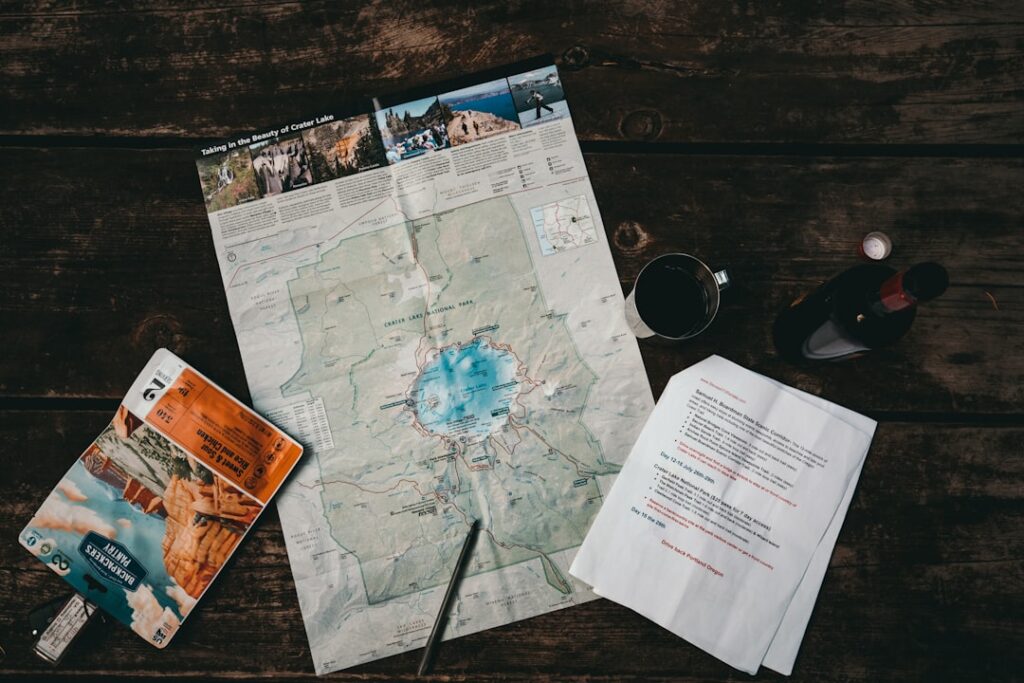
Understanding how to read a topographic map and use a compass is a fundamental skill. Practice these skills in familiar areas before heading into the backcountry. Knowing how to orient your map and take bearings is essential for confident navigation.
GPS Devices and Apps: Modern Aids
GPS devices and smartphone apps can be excellent tools, but remember that batteries die and signals can be lost. Always carry a physical map and compass as a reliable backup. Download offline maps for your chosen navigation app before you depart.
Water Procurement and Purification: The Elixir of Life
Access to clean drinking water is paramount for survival and well-being.
Finding Water Sources: Streams, Lakes, and Springs
Identify potential water sources on your map. Streams and springs are generally preferred over stagnant lakes or ponds, which are more likely to harbor contaminants.
Methods of Purification: Boiling, Filtering, and Chemical Treatment
Boiling water is the most reliable method for killing all pathogens, but it requires fuel and time. Water filters remove bacteria and protozoa but may not be effective against viruses. Chemical treatments, such as iodine or chlorine dioxide tablets, are lightweight and effective but can impart an undesirable taste.
Leave No Trace: Minimizing Your Impact
The “Leave No Trace” principles are a framework for responsible outdoor recreation, ensuring that natural areas are preserved for future generations.
Stick to Trails: Tread Lightly
Staying on designated trails minimizes erosion and prevents damage to fragile vegetation. Wandering off-trail can lead to habitat disruption and can be dangerous off-trail.
Pack It In, Pack It Out: Remove All Trash
This is a cornerstone of Leave No Trace. Everything you bring into the wilderness, including food scraps and hygiene products, must be carried out with you.
Minimize Campfire Impacts: Use Established Fire Rings
If fires are permitted, use existing fire rings and keep fires small. Ensure all fires are completely extinguished before leaving. In many areas, especially arid or sensitive ecosystems, campfires may be prohibited.
Food and Sustenance: Fueling Your Expedition
Proper nutrition is vital for maintaining energy levels and a positive attitude. It’s about finding a balance between weight, nutritional value, and ease of preparation.
Dehydrated and Freeze-Dried Meals: Lightweight Nutrition
These meals offer a good balance of weight, nutrition, and convenience. They are lightweight, require minimal cooking fuel, and come in a wide variety of options.
Trail Mix and Energy Bars: Quick Energy Boosts
These are perfect for snacking on the go, providing quick and readily available energy between meals. Tailor your trail mix to your preferences, including nuts, dried fruits, and seeds.
Menu Planning: Variety and Balance
Plan your meals in advance, considering the caloric needs for your activity level and the duration of your trip. Aim for a balanced intake of carbohydrates, proteins, and fats.
For those interested in backpacking, understanding the importance of health and wellness on the trail is essential. A recent article discusses how innovative technologies, such as kiosks, are transforming patient experiences in healthcare, which can be quite relevant for outdoor enthusiasts who may need medical assistance while exploring remote areas. You can read more about this topic in the article on the role of kiosks in transforming patient experience. Staying informed about health advancements can help backpackers prepare for any situation they might encounter during their adventures.
Safety and Emergency Preparedness: Your Contingency Plan
| Metric | Description | Typical Range | Unit |
|---|---|---|---|
| Average Daily Distance | Distance covered by backpackers per day on average | 10 – 25 | kilometers |
| Backpack Weight | Weight of the backpack including gear and supplies | 7 – 15 | kilograms |
| Trip Duration | Length of typical backpacking trips | 3 – 30 | days |
| Calories Burned | Estimated calories burned per day while backpacking | 2500 – 4000 | kcal |
| Average Speed | Walking speed while backpacking | 3 – 5 | km/h |
| Water Consumption | Amount of water consumed per day | 2 – 4 | liters |
| Elevation Gain | Average elevation gain per day on trails | 200 – 800 | meters |
While adventure calls, preparedness is the cornerstone of a safe journey. Having a plan for unexpected situations can be the difference between a minor inconvenience and a serious issue.
The First-Aid Kit: Your Medical Lifeline
A comprehensive first-aid kit is non-negotiable. It should include bandages, antiseptic wipes, pain relievers, blister treatment, gauze, adhesive tape, and any personal medications. Familiarize yourself with basic first-aid procedures.
Emergency Shelter and Fire Starter: Survival Essentials
In a true emergency, having the means to create a basic shelter and start a fire can be crucial for survival. A lightweight emergency blanket and waterproof matches or a ferrocerium rod are essential.
Informing Others: Sharing Your Itinerary
Always inform a trusted friend or family member about your hiking plans, including your intended route, expected return date, and the names of others in your party. This information can be critical in initiating a search if you fail to return as scheduled.
Wildlife Awareness: Respecting Nature’s Inhabitants
Be aware of the wildlife in the areas you are visiting. Research local fauna and understand how to store food properly to avoid attracting animals. Carry bear spray in bear country and know how to use it. Respect all wildlife and maintain a safe distance.
Embarking on a backpacking trip is an invitation to discover yourself and the world around you with a clarity that only simplicity can provide. By meticulously preparing your gear, packing with intention, and embracing the fundamental principles of responsible outdoor travel, you are setting the stage for an unforgettable adventure. Remember, the journey itself, with all its challenges and triumphs, is the ultimate reward.
FAQs
What is backpacking?
Backpacking is a form of low-cost, independent travel where individuals carry all their necessary belongings in a backpack. It often involves staying in budget accommodations, exploring various destinations, and experiencing local cultures.
What essential items should I pack for a backpacking trip?
Essential items typically include a durable backpack, appropriate clothing, a first aid kit, a water bottle, travel documents, a map or GPS device, toiletries, and sometimes camping gear depending on the trip.
How can I stay safe while backpacking?
To stay safe, research your destinations beforehand, keep valuables secure, stay aware of your surroundings, avoid risky areas, inform someone about your itinerary, and carry a basic first aid kit.
What are some common destinations for backpackers?
Popular backpacking destinations include Southeast Asia (Thailand, Vietnam), Europe (Spain, Portugal), South America (Peru, Colombia), and Oceania (New Zealand, Australia), known for their affordability and cultural experiences.
How can I budget effectively for a backpacking trip?
Budgeting involves planning expenses for transportation, accommodation, food, activities, and emergencies. Using hostels, cooking your own meals, traveling during off-peak seasons, and booking in advance can help reduce costs.