
Recently, I embarked on a journey to compile a definitive guide to destinations designed for profound rest and rejuvenation. My interest stemmed from a personal desire to understand the mechanics of true relaxation in an increasingly demanding world. This endeavor led me to explore various establishments, evaluating them not just on their superficial amenities, but on their capacity to facilitate a genuine escape from daily pressures. The resort, in this context, functions as a carefully calibrated ecosystem, an engineered environment whose primary purpose is the restoration of the individual. Think of it as a finely tuned instrument, each component working in synergy to produce a state of tranquility. My research involved a rigorous assessment of numerous properties across diverse geographical locations, focusing on specific criteria that contribute to an optimal relaxation experience.
My first task was to establish quantifiable metrics for “ultimate relaxation.” This wasn’t merely about soft beds and palatable meals. I sought to identify the underlying elements that contribute to a comprehensive sense of well-being. This involved considering various dimensions of human experience, from the physiological to the psychological. My framework, therefore, extended beyond the obvious.
Environmental Design and Sensory Deprivation/Enrichment
The physical environment plays a critical role. I observed if resorts strategically utilized natural light, soundproofing, and views. For instance, the absence of urban cacophony is a crucial factor. Conversely, the presence of natural sounds, like ocean waves or rustling leaves, can be deeply therapeutic. This isn’t just about peace and quiet; it’s about the deliberate modulation of sensory input to promote a state of calm. Some resorts excel at sensory deprivation, effectively shielding guests from external stressors. Others focus on sensory enrichment, introducing elements like aromatherapy or carefully curated soundscapes. My assessment here was based on the effectiveness of these design choices in facilitating a shift in the guest’s mental state.
Wellness Programs and Therapeutic Offerings
A resort aiming for “ultimate relaxation” must offer more than just a pool and a spa menu. I looked for integrated wellness programs that addressed physical, mental, and emotional health. This could include yoga and meditation classes, but also more specialized offerings.
Advanced Spa Therapies and Their Efficacy
Beyond basic massages, I investigated resorts offering evidence-based therapeutic treatments. This included practices like hydrotherapy, thalassotherapy, and specific Ayurvedic or Traditional Chinese Medicine (TCM) applications. My focus was on the professionalism of the practitioners and the scientific rationale behind the treatments offered. The effectiveness, in my view, wasn’t just about feeling good in the moment, but about contributing to sustained well-being after the stay.
Holistic Approaches to Mental and Emotional Rejuvenation
Beyond physical treatments, I examined the availability of programs targeting mental and emotional well-being. This might involve mindfulness workshops, coaching sessions, or even digital detox initiatives. The goal was to identify resorts that acknowledged the interconnectedness of mind and body in achieving true relaxation. The emphasis was on tools and techniques that guests could potentially integrate into their daily lives, making the resort experience a catalyst for long-term health.
When planning a perfect getaway at a resort, it’s essential to consider not only relaxation and recreation but also the environment and health of your space. A related article that delves into creating a healthier atmosphere is available at this link: Non-Toxic Cleaning Products for a Healthier Space. This article provides valuable insights into using eco-friendly cleaning products that can enhance your resort experience by ensuring a clean and safe environment for you and your loved ones.
Geographic Determinants of Tranquility: Location as a Therapeutic Agent
The setting of a resort is not merely an aesthetic choice; it’s a fundamental component of its therapeutic capacity. My analysis weighed the benefits and drawbacks of different geographical typologies. Think of location as the foundational chord in a symphony of relaxation.
Coastal Retreats: The Rhythmic Lulling of the Ocean
Coastal resorts often capitalize on the inherent calming properties of the ocean. The rhythmic ebb and flow of waves, the expansive horizon, and the unique atmospheric quality of sea air contribute to a profound sense of peace. I evaluated resorts based on their direct access to pristine beaches, the clarity of the water, and the integration of ocean views into their design. The ocean, in my assessment, acts as a vast, natural white noise machine, effectively masking distracting sounds and encouraging a meditative state.
Proximity to Undisturbed Natural Environments
Beyond the immediate coastline, I considered the surrounding natural environment. Resorts nestled near protected marine parks, secluded coves, or lush coastal forests often provided an enhanced sense of isolation and connection to nature. The less human intervention, the more potent the natural therapeutic effect. This speaks to the concept of biophilia – our innate human tendency to connect with nature.
Mountain Sanctuaries: The Stillness of High Altitudes
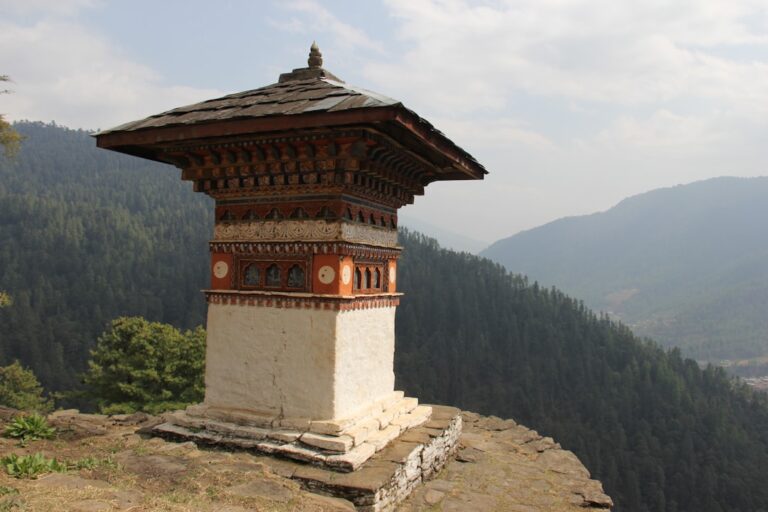
Conversely, mountain resorts offer a different kind of serenity. The crisp, clean air, panoramic vistas, and the quiet majesty of towering peaks create an atmosphere conducive to introspection and stillness. My evaluation centered on the quality of the mountain environment, including hiking trails, opportunities for wildlife observation, and the general absence of light and noise pollution. Here, the mountains act as a natural monument to quietude, dwarfing human concerns.
Integration with Local Flora and Fauna
Successful mountain resorts often seamlessly integrate with their natural surroundings. This might involve sustainable building practices that minimize environmental impact or guided nature walks that educate guests about the local ecosystem. The aim was to find resorts that felt less like an imposition on the landscape and more like an extension of it.
Architectural Philosphies and Their Contribution to Guest Well-being
The physical structures of a resort, far from being mere shelters, are instrumental in shaping the guest’s experience. My examination of architectural philosophies focused on how design choices actively supported or detracted from the objective of relaxation. Architecture, in this context, is a curated narrative, guiding the guest through an experience of repose.
Biophilic Design Principles
Resorts that successfully incorporated biophilic design principles stood out. This involved the deliberate integration of natural elements into the built environment. Examples included extensive use of natural materials like wood and stone, ample natural light, and vegetation within interior spaces. The goal was to blur the lines between indoors and outdoors, fostering a continuous connection with nature even when inside.
Maximizing Natural Light and Ventilation
Beyond aesthetics, the practical application of natural light and ventilation can significantly impact well-being. I observed resorts that meticulously designed their spaces to optimize daylight penetration and airflow, reducing the reliance on artificial lighting and air conditioning. This not only has environmental benefits but also contributes to a more natural and invigorating atmosphere for the guest.
Spatial Flow and Privacy Considerations
The layout of a resort and its individual accommodations are crucial. I assessed whether the design prioritized spaciousness, ease of movement, and, most importantly, privacy. A sense of being unobserved and having personal space is paramount for deep relaxation.
The Art of Seclusion through Design
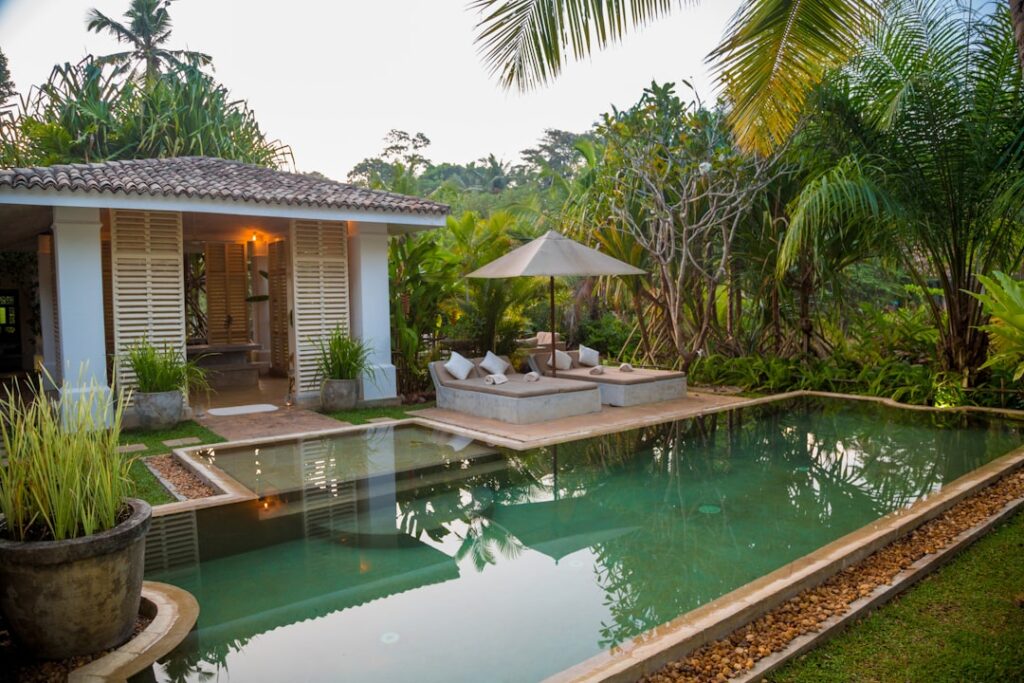
Effective resorts employ various design strategies to create a sense of seclusion. This could involve strategically placed landscaping, staggered building layouts, or private plunge pools and terraces that offer an intimate retreat. The absence of unwanted visual or auditory intrusions was a key criterion in my evaluation. The intention here is to create an individual bubble of tranquility within the larger resort framework.
Culinary Programs: Nurturing the Body for Rest
My assessment of ultimate relaxation wouldn’t be complete without a thorough examination of the culinary offerings. Food, when approached thoughtfully, is not merely sustenance; it is a vital component of holistic well-being. Think of it as fuel for the body and comfort for the soul.
Focus on Locally Sourced and Organic Ingredients
I prioritized resorts that demonstrated a commitment to sourcing ingredients locally and, whenever possible, organically. This not only supports local economies but also ensures the freshness and nutritional integrity of the food. The connection to the land and the awareness of food provenance contribute to a more mindful and satisfying dining experience.
Seasonal Menus and Dietary Customization
Highly rated resorts often feature menus that change seasonally, reflecting the availability of fresh produce. Furthermore, their ability to cater to various dietary restrictions and preferences (vegan, gluten-free, allergies, etc.) without compromising on flavor or creativity was a significant factor. The ability to trust that one’s dietary needs are met without constant vigilance contributes significantly to mental ease.
Mindful Eating Practices and Nutritional Education
Beyond simply serving healthy food, I looked for resorts that promoted mindful eating. This could involve educational workshops on nutrition, cooking classes focused on wholesome ingredients, or dining environments designed to encourage slow, appreciative consumption. The goal was to elevate the act of eating from a necessity to an intentional, restorative practice.
Integration with Wellness Programs
The most effective culinary programs were those that seamlessly integrated with the resort’s broader wellness offerings. For example, a resort might offer personalized meal plans designed to complement specific spa treatments or fitness regimes. This holistic approach ensures that nutrition is viewed as an integral part of the overall journey to well-being.
When planning a perfect getaway to a resort, many travelers often seek inspiration for creating a relaxing atmosphere at home as well. One related article that offers valuable insights is about transforming your bathroom into a spa-like retreat. This guide provides practical tips and ideas, making it easier for anyone to enjoy a luxurious experience without leaving their home. You can read more about it in this article, which complements the serene ambiance that resorts typically offer.
The Human Element: Service as an Unseen Thread of Comfort
| Resort Name | Location | Number of Rooms | Average Nightly Rate | Guest Rating (out of 10) | Year Established | Annual Visitors |
|---|---|---|---|---|---|---|
| Ocean Breeze Resort | Malibu, California | 150 | 350 | 8.7 | 1998 | 120,000 |
| Mountain View Lodge | Aspen, Colorado | 200 | 420 | 9.1 | 2005 | 95,000 |
| Sunny Sands Resort | Miami, Florida | 300 | 280 | 8.3 | 2010 | 150,000 |
| Forest Retreat | Lake Tahoe, Nevada | 120 | 310 | 8.9 | 1995 | 80,000 |
| Island Paradise Resort | Maui, Hawaii | 250 | 450 | 9.4 | 2000 | 130,000 |
While infrastructure and amenities are important, the human element—the quality of service—often acts as the invisible thread that weaves together a truly relaxing experience. My evaluation considered the nuanced interactions between staff and guests. Think of the staff as the quiet conductors of the orchestra of your experience, ensuring every note is perfectly placed.
Discretion and Anticipatory Service
The hallmark of exceptional service in a relaxation-focused resort is discretion. This means staff are present when needed but never intrusive. Anticipatory service, where needs are met before they are even articulated, was also a key differentiator. This level of attentiveness allows guests to truly surrender to the experience without having to manage logistical concerns. It’s about feeling cared for without feeling observed.
Personalized Interactions and Memory Retention
Resorts that consistently offered personalized interactions, where staff remembered preferences or details from previous conversations, scored highly. This creates a sense of being valued and understood, contributing to a more profound feeling of ease and belonging. It transforms a transactional relationship into something more akin to genuine hospitality.
Staff Expertise and Authenticity
Beyond efficiency, I assessed the expertise and authenticity of the staff, particularly in wellness and culinary departments. Knowledgeable spa therapists, skilled yoga instructors, and passionate chefs enhance the quality of the offerings. Authenticity in their interactions, rather than formulaic politeness, creates a more genuine and comforting atmosphere. A truly relaxing environment is often one where the people surrounding you feel genuinely invested in your well-being.
My extensive research has led me to conclude that “ultimate relaxation” is not a singular phenomenon but a confluence of meticulously curated elements. It’s a delicate balance between environmental design, therapeutic offerings, geographical advantages, architectural intentionality, nourishing cuisine, and, perhaps most crucially, the unseen current of human care. These resorts are not just places to stay; they are carefully constructed sanctuaries, each designed to dismantle the stresses of modern life and reassemble the individual in a state of profound peace. My findings suggest that the most effective resorts are those that understand that true rest is a multi-faceted endeavor, requiring attention to every detail that contributes to the human experience. When you consider your next getaway, I encourage you to look beyond the glossy brochures and delve into these foundational aspects, for therein lies the true potential for rejuvenation.
FAQs
What types of accommodations are typically available at resorts?
Resorts usually offer a variety of accommodations including hotel rooms, suites, villas, and sometimes private bungalows or cottages, catering to different preferences and group sizes.
What amenities can guests expect at most resorts?
Common amenities at resorts include swimming pools, restaurants, bars, spa and wellness centers, fitness facilities, recreational activities, and sometimes access to beaches or golf courses.
Are resorts suitable for family vacations?
Yes, many resorts are family-friendly and provide activities and facilities for children, such as kids’ clubs, playgrounds, and family-oriented entertainment.
How do resorts differ from regular hotels?
Resorts typically offer a wider range of recreational facilities and activities on-site, often located in vacation destinations, whereas regular hotels primarily provide lodging and basic services.
What is the best way to book a resort stay?
The best way to book a resort stay is through the resort’s official website, reputable travel agencies, or trusted online travel platforms to ensure the best rates, availability, and secure reservations.