
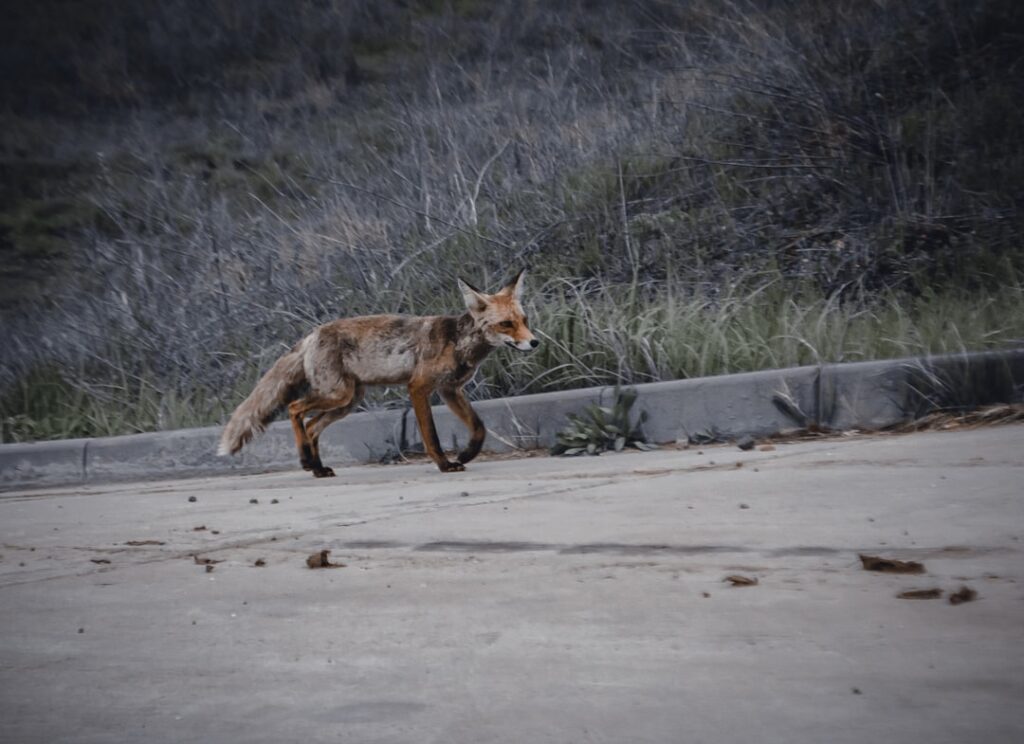

The allure of seeing wildlife in its natural habitat often draws individuals to various landscapes across the globe. From the vast plains of the Serengeti to the dense rainforests of the Amazon, opportunities for wildlife encounters abound. However, the increasing accessibility to these environments necessitates a responsible approach to ensure the well-being of both the animals and the ecosystems they inhabit. Understanding and adhering to ethical guidelines is paramount for anyone seeking to experience wildlife without causing undue harm.
The very act of observing wildlife, however seemingly innocuous, carries a potential for disturbance. Animals are finely attuned to their surroundings, and the introduction of unfamiliar elements, such as human presence, can elicit a range of responses, from subtle behavioral changes to significant stress and displacement. It is crucial to acknowledge this inherent impact and take steps to mitigate it.
Behavioral Alterations
When humans approach animals, even with the best intentions, their natural behaviors can be altered. Feeding wildlife, for example, can lead to dependency on human food sources, disrupting foraging patterns and potentially compromising nutritional intake. Animals may become habituated to human presence, losing their natural fear, which can increase their vulnerability to predators or expose them to risks associated with human conflict. Studies have documented shifts in diurnal and nocturnal activity patterns, changes in social structures, and alterations in mating rituals due to human disturbance. These seemingly minor changes can accumulate over time, impacting population dynamics and ecosystem health.
Stress and Disease Transmission
The presence of humans can induce physiological stress in animals. Heightened stress levels can suppress immune systems, making animals more susceptible to diseases. Furthermore, humans can inadvertently transmit pathogens to wildlife, introducing diseases that native populations have no immunity against. This risk is particularly high in species closely related to humans, such as primates. Maintaining a respectful distance and practicing good hygiene are essential preventative measures. The introduction of novel food items or litter can also create breeding grounds for bacteria and parasites, further endangering wildlife.
Habitat Degradation and Fragmentation
Irresponsible tourism or recreational activities can lead to direct habitat degradation. Off-trail trekking can damage fragile vegetation, disrupt nesting sites, and compact soil, impacting plant growth and invertebrate populations. Construction of infrastructure to support tourism, such as roads and lodges, can lead to habitat fragmentation, isolating animal populations and hindering their movement and genetic exchange. Waste disposal, another common issue, can contaminate water sources and land, posing serious health risks to wildlife that ingest or interact with discarded materials.
The Principles of Responsible Wildlife Observation
To minimize negative impacts, a set of core principles should guide all wildlife encounters. These principles emphasize respect, minimal interference, and prioritizing animal well-being above human gratification. Adhering to these guidelines helps ensure that wildlife can thrive in their natural environments.
Maintaining a Respectful Distance
One of the most fundamental principles is to maintain a substantial and respectful distance from wildlife. This distance varies depending on the species and its comfort level, but a general rule of thumb is to remain far enough away that the animal does not alter its behavior. This often means using binoculars or telephoto lenses for observation rather than attempting close-up approaches. Approaching too closely can cause animals to flee, expend valuable energy, or abandon their young.
Avoiding Direct Interaction and Feeding
Direct interaction, such as touching or attempting to pet wild animals, is strictly discouraged. Such actions can habituate animals to humans, making them less wary and more vulnerable. Furthermore, feeding wildlife is detrimental. It can lead to nutritional deficiencies if human food replaces natural diets, alter foraging behaviors, and increase aggression between animals competing for human-provided food. It can also lead to animals associating humans with food, potentially resulting in dangerous encounters. Human food can also contain ingredients that are harmful or toxic to wild animals.
Minimizing Noise and Disturbance
Loud noises, sudden movements, and bright lights can be highly disruptive to wildlife. Vehicles should be operated quietly and at a slow pace. Voices should be kept low, and sudden movements should be avoided. Flash photography, especially at night, can disorient and distress nocturnal animals, interfering with their natural hunting and communication behaviors. Consider the time of day and the animals’ natural rhythms to minimize disruption. For instance, approaching animals during their resting periods can be particularly disruptive.
Choosing Ethical Wildlife Tourism Operators
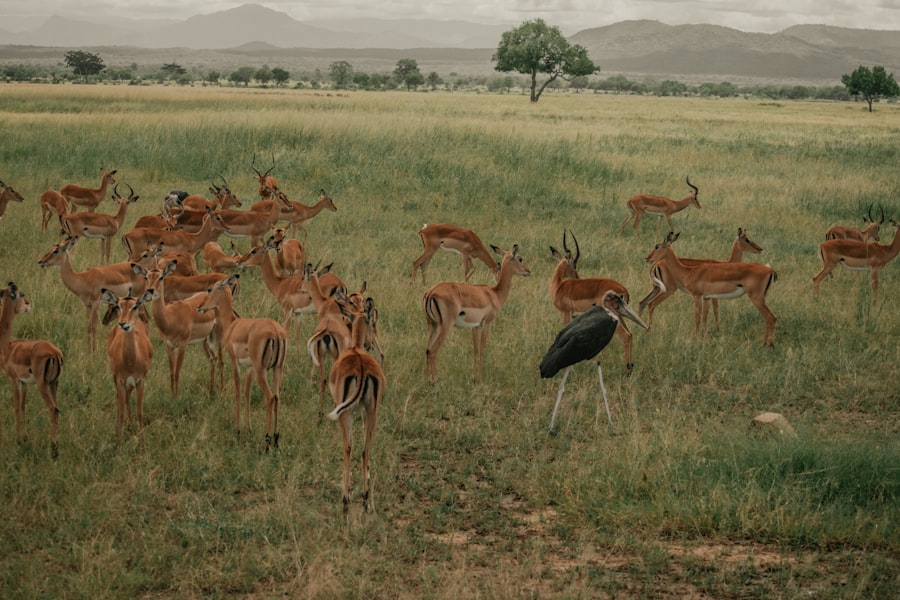
The choice of tour operator significantly influences the ethical soundness of a wildlife encounter. Reputable operators prioritize animal welfare and conservation, adhering to stringent guidelines that protect both the wildlife and the environment. Conversely, unethical operators may compromise animal well-being for financial gain.
Accreditation and Certifications
When selecting a wildlife tour, look for operators with recognized accreditations or certifications from reputable conservation organizations. These certifications often indicate adherence to strict ethical standards regarding animal welfare, environmental impact, and community engagement. Examples include certifications for responsible ecotourism or endorsements from wildlife trusts. These certifications often involve independent audits and regular reviews to ensure ongoing compliance.
Small Group Sizes and Experienced Guides
Ethical operators typically limit group sizes to minimize disturbance to wildlife and allow for more intimate, less impactful viewing experiences. Experienced and knowledgeable guides are invaluable. They possess expertise in animal behavior, local ecology, and responsible viewing protocols. They can interpret animal signals, ensure appropriate distances are maintained, and educate visitors on local conservation efforts. A good guide will also be able to identify signs of stress in animals and adjust viewing strategies accordingly.
Conservation Contributions and Local Engagement
Reputable tour operators often contribute to local conservation initiatives, either through direct funding, research support, or partnership programs. They may also engage with local communities, providing employment opportunities and fostering an understanding of conservation values. Supporting such operators helps to ensure that tourism benefits both wildlife and the people who live alongside it. Inquiring about these aspects before booking can provide valuable insight into an operator’s commitment to responsible tourism. This can include anything from employing local guides to supporting community-based conservation projects and educational programs.
Specific Considerations for Different Wildlife Encounters
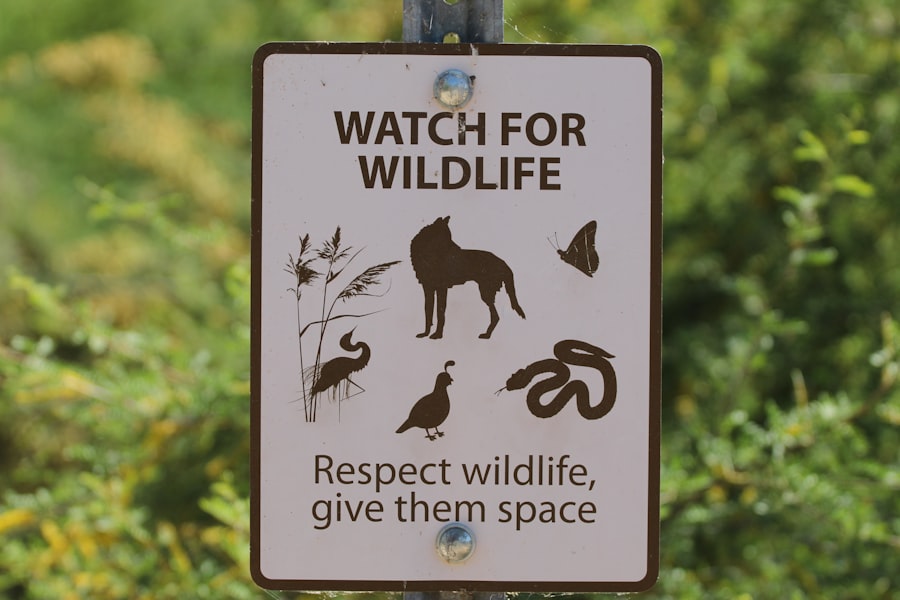
The principles of responsible wildlife observation apply broadly, but specific adaptations are necessary depending on the type of encounter and the species involved. Each environment and animal presents unique challenges and demands tailored approaches.
Marine Wildlife Encounters
Observing marine mammals such as whales, dolphins, and seals requires adherence to specific regulations designed to prevent harassment and injury. Boats should maintain designated distances, approach at slow speeds, and avoid encircling animals. Swimmers and divers should never touch or chase marine life, as this can disrupt natural behaviors and potentially transmit diseases. The use of drones near marine mammals should also be carefully considered and, in many regions, is subject to strict regulations due to potential disturbance. Understanding local regulations around marine protected areas is also crucial.
Terrestrial Mammals and Birds
For land-based animals, maintaining distance is paramount. Avoid blocking animal pathways, especially at water sources or feeding grounds. Use designated viewing areas and trails to minimize habitat disturbance. When photographing, avoid using intimidating flashes or making sudden movements that could startle animals. Consider the nesting and breeding seasons of birds and mammals, as these periods are particularly sensitive to disturbance. For instance, approaching nesting birds can cause them to abandon their eggs or chicks, leading to reproductive failure.
Reptiles, Amphibians, and Insects
While often less charismatic, reptiles, amphibians, and insects play vital roles in ecosystems. Avoid handling these creatures, as human skin can transfer oils and chemicals that are harmful to their delicate skin or exoskeletons. Stay on designated paths to avoid trampling their habitats, which often include leaf litter and damp soil. Do not disturb their hiding places, such as under rocks or logs. Observing these smaller creatures often requires patience and a keen eye rather than close proximity.
Educating Others and Future Generations
| Location | Animal | Recommended Distance | Behavior Guidelines |
|---|---|---|---|
| Safari Park | Lions | 100 feet | Observe quietly from a safe distance |
| Beach | Sea Turtles | 10 feet | Avoid touching or disturbing nesting sites |
| National Park | Bears | 300 feet | Do not approach or feed |
Responsible wildlife encounters are not merely about individual actions but also about fostering a culture of respect and conservation. Educating others and instilling these values in future generations is critical for the long-term protection of wildlife.
Sharing Knowledge and Best Practices
Individuals who have experienced responsible wildlife encounters can play a vital role in sharing their knowledge and promoting best practices. This can involve discussing ethical guidelines with friends and family, sharing information on social media, or participating in educational initiatives. Becoming an advocate for responsible tourism can have a broader impact beyond one’s personal experiences. This can also involve reporting unethical practices witnessed during tours or independent excursions to relevant authorities or conservation organizations.
Supporting Conservation Efforts
Beyond responsible viewing, actively supporting conservation organizations is a tangible way to contribute to wildlife protection. This can involve making donations, volunteering time, or participating in citizen science projects that contribute to wildlife monitoring and research. Advocacy for policies that protect wildlife habitats and regulate human interactions is also a form of conservation support. Financial contributions directly aid in habitat protection, anti-poaching efforts, and rehabilitation programs.
Leading by Example
The most powerful form of education is leading by example. By consistently demonstrating responsible behavior during wildlife encounters, individuals can inspire others to adopt similar practices. This creates a positive feedback loop, gradually shifting societal norms towards a more ethical and sustainable approach to experiencing the natural world. This includes being vocal about the importance of ethical practices and gently correcting others who may unknowingly be acting irresponsibly.
Engaging with wildlife offers profound and enriching experiences, fostering a deeper connection to the natural world. However, this privilege comes with a significant responsibility. By understanding the potential impacts of human presence, adhering to principles of responsible observation, choosing ethical operators, and engaging in ongoing education and support, individuals can ensure that their wildlife encounters contribute to, rather than detract from, the well-being of the animals and the health of the ecosystems they cherish. The future of wildlife encounters depends on a collective commitment to these ethical considerations, ensuring that these breathtaking experiences remain sustainable for generations to come.
FAQs
What are some tips for experiencing wildlife responsibly?
Some tips for experiencing wildlife responsibly include keeping a safe distance from the animals, not feeding them, and not disturbing their natural behaviors.
Why is it important to experience wildlife responsibly?
Experiencing wildlife responsibly is important to ensure the safety and well-being of the animals, as well as to preserve their natural habitats and behaviors.
What are some potential risks of irresponsible wildlife encounters?
Irresponsible wildlife encounters can lead to stress and harm to the animals, as well as potential dangers to humans, such as bites or attacks.
How can I support conservation efforts while experiencing wildlife?
Supporting conservation efforts while experiencing wildlife can be done by visiting responsible wildlife sanctuaries, donating to conservation organizations, and spreading awareness about the importance of wildlife conservation.
What should I do if I encounter a wild animal in the wild?
If you encounter a wild animal in the wild, it’s important to remain calm, keep a safe distance, and avoid making sudden movements or loud noises. It’s also important to respect the animal’s space and not attempt to touch or feed it.