
The allure of the coastline is undeniable, yet the image of a bustling beach, replete with umbrellas and boisterous crowds, often deviates from the tranquil ideal many seek. For those who yearn for a more profound connection with the ocean, far from the madding throng, the discovery of hidden beaches becomes a pursuit of paramount importance. This article explores strategies and considerations for locating these secluded coastal spots, offering a pragmatic guide to uncovering untouched stretches of sand and surf.
The Appeal of the Unseen Shore
The intrinsic value of a secluded beach extends beyond mere aesthetics. It offers an environment conducive to relaxation, introspection, and an unmediated experience with nature.
Escaping the Crowds
The primary motivation for seeking out hidden beaches is often the desire for solitude. Popular tourist destinations, while offering amenities, inevitably struggle with overcrowding. A secluded beach provides respite from noise pollution, visual clutter, and the constant disruption of human activity. The absence of large throngs allows for a more personal communion with the natural environment.
Preserving Natural Beauty
Often, the very popularity of a beach contributes to its degradation. Litter, erosion from high foot traffic, and the encroachment of commercial development can detract from its pristine state. Hidden beaches, by their very nature of being less accessible, tend to retain their natural beauty for longer, offering visitors a glimpse into an untouched ecosystem.
Enhancing the Experience
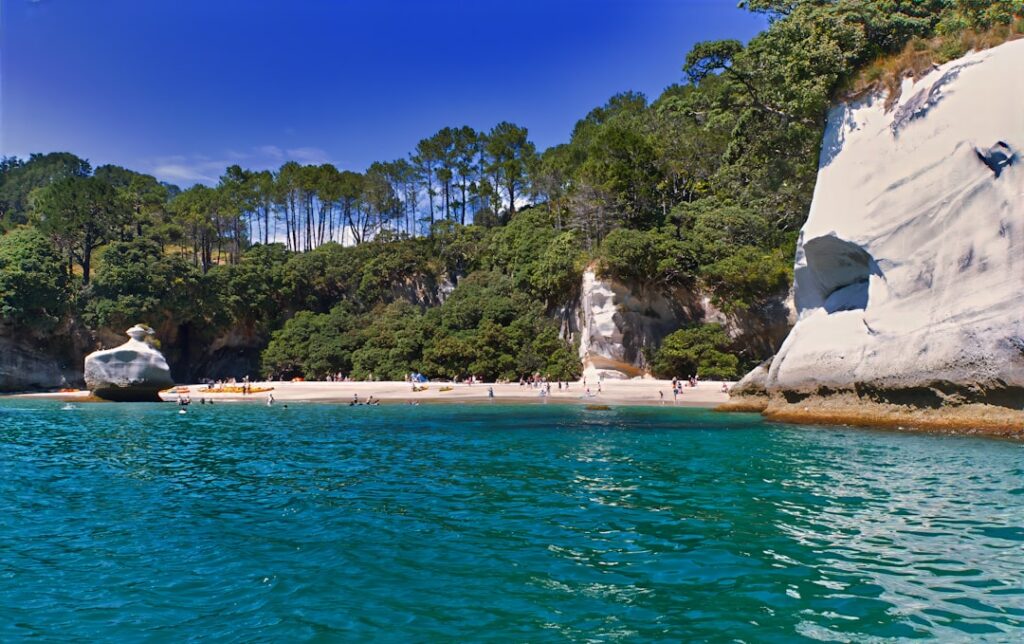
The journey to a secluded beach frequently involves a degree of effort – navigating less-trodden paths, perhaps a short hike, or even a boat trip. This investment of effort, rather than being a deterrent, often enhances the overall experience, imbuing the destination with a greater sense of reward and accomplishment. The quietude of such locations also facilitates activities like meditation, photography, and wildlife observation without interference.
Strategies for Discovery
Unearthing these hidden gems requires a combination of research, local knowledge, and a willingness to explore. It is not a process that typically yields results through casual internet searches for “best beaches.”
Harnessing Digital Resources
While comprehensive guides to secluded beaches are rare by design, specific digital tools can be invaluable.
Satellite Imagery
Platforms like Google Maps and Bing Maps, with their satellite view capabilities, are powerful tools. High-resolution imagery can reveal areas of coastline inaccessible by public roads, characterized by narrow trails, dense vegetation, or lack of established infrastructure. Look for stretches of sand unmarked by clear access points or visible amenities. Distinguishing between private property and public access requires further investigation, but satellite imagery is an excellent starting point for identifying potential candidates.
Topographical Maps
Detailed topographical maps, either digital or physical, provide crucial information about terrain, elevation changes, and natural barriers such as cliffs or dense forests. These maps can indicate the feasibility of accessing a particular stretch of coastline and help identify potential hiking trails, even rudimentary ones, leading to hidden coves. Contours indicating steep inclines or challenging terrain can signal areas less likely to be developed or easily accessible.
Online Forums and Niche Blogs
Specialized travel forums, adventure blogs, and local community websites can be rich sources of information. Enthusiasts of wild camping, hiking, or off-grid travel often share their discoveries, sometimes with directions or coordinates. However, exercising discretion is vital; some information may be outdated, inaccurate, or intentionally vague to preserve the spot’s seclusion. Search for keywords like “secret beaches,” “undeveloped coastline,” or “remote coves” alongside geographical indicators.
Engaging with Local Knowledge
The most reliable information often comes from those who live in the vicinity. Locals possess an intimate understanding of their surrounding environment, including hidden access points and less-known spots.
Local Businesses
Small, independent businesses away from the main tourist hubs are good starting points. Fishermen, local shopkeepers, and proprietors of family-run guesthouses might be willing to share insights. Approaching them respectfully and conveying genuine interest in respecting the local environment can be key to unlocking valuable information. Avoid appearing as a typical tourist demanding information.
Outdoor Activity Providers
Companies offering kayaking, paddleboarding, or guided walking tours often explore lesser-known areas. While they may not disclose specific coordinates of their most cherished spots, they can offer valuable hints about regions with secluded options. Engaging in one of their tours could also lead to discovering such locations directly.
Casual Conversations
Simply striking up conversations with long-term residents in cafes or public spaces can yield surprising results. People who have lived in an area for decades often know of overlooked coves or trails that have fallen out of common knowledge. Again, demonstrating respect for their privacy and the environment is crucial.
Navigating the Uncharted Path
Once potential hidden beaches have been identified, the subsequent step involves planning the journey and ensuring a safe and responsible exploration.
Assessment of Accessibility
Understanding the journey involved is paramount. Some hidden beaches might be a short walk from an unpaved road, while others could demand significant physical exertion, requiring particular equipment or expertise.
Terrain Challenges
Consider the type of terrain that needs to be traversed. Rocky paths, slippery cliffs, dense bushland, or river crossings all present different challenges. Appropriate footwear, such as sturdy hiking boots, is often essential. Assess the difficulty based on personal fitness levels and experience with such environments.
Tidal Considerations
For coastal exploration, tides are a critical factor. What may be an easily accessible sandy cove at low tide could be completely submerged or cut off by the sea at high tide. Consulting tide tables for the specific area is non-negotiable for safety. Being stranded by incoming tides is a genuine risk in remote coastal areas.
Private Land and Rights of Way
Verifying land ownership and public access rights is important. While many coastlines have public access laws, some areas may be privately owned or have restricted access. Respecting private property is crucial, and forcing entry can lead to legal issues and negative interactions with local communities. Researching local land access laws and ordnance survey maps can provide clarity.
Essential Equipment and Preparation
A journey to a secluded beach typically necessitates more thorough preparation than a trip to a developed one.
Navigation Tools
Even if a route seems straightforward, carrying a physical map and compass, in addition to a fully charged GPS-enabled device (like a smartphone with offline maps), is advisable. Cell service can be unreliable in remote areas. Knowing how to use these tools is equally important.
Safety Gear
A basic first-aid kit is essential for dealing with minor injuries that can occur on uneven terrain. Sun protection (hat, sunscreen, sunglasses), adequate water supplies, and emergency snacks are also critical, especially if the journey is lengthy or the area is exposed. A whistle for attracting attention in an emergency is a simple but effective safety item.
Environmental Responsibility
When visiting secluded locations, the principle of “Leave No Trace” is not merely good practice but a necessity. All rubbish, including organic waste, must be packed out. Disturbing wildlife, removing natural items such as shells or rocks, or damaging vegetation should be strictly avoided. The goal is to leave the area exactly as it was found, ensuring its preservation for future visitors and wildlife.
The Ethos of Seclusion
The act of discovering and enjoying a hidden beach carries with it a responsibility, not just to the environment, but also to the ethos of seclusion itself.
Respecting Local Ecosystems
Hidden beaches are often home to sensitive ecosystems, providing habitats for rare flora and fauna that thrive away from human disturbance. Careful observation without intrusion is paramount. Avoid walking on dune vegetation, disturbing nesting birds, or interfering with marine life. Understanding local conservation efforts and regulations is also beneficial.
Maintaining Anonymity (Where Appropriate)
Part of the appeal and preservation of hidden beaches lies in their relative obscurity. While sharing discoveries with a select few, widely publicizing precise locations, especially on social media, can quickly lead to these spots becoming less enjoyable and more vulnerable to degradation. A discreet approach to sharing information helps safeguard these unique environments.
Sustainable Access
Consider the impact of your visit. If a path is becoming eroded, seek alternative routes if possible. If parking is difficult, consider walking further or using public transport if available to the nearest accessible point. The aim is to minimize the environmental footprint associated with accessing these delicate areas. The long-term sustainability of such locations depends on the collective responsibility of those who seek them out.
Embracing the Journey
Discovering a hidden beach is rarely about instant gratification. It is a process that rewards patience, curiosity, and a willingness to step off the beaten path. The journey itself, with its challenges and anticipations, becomes an integral part of the experience. The reward is not merely a stretch of sand, but a profound connection with an untouched facet of the natural world, a fleeting moment of solitude, and a memory etched by effort and discovery.
Unexpected Delights
Often, the most memorable aspects of exploring hidden coastal spots are the unexpected encounters. A rare bird sighting, a uniquely shaped rock formation, or a spontaneous encounter with a gentle marine creature can elevate the experience beyond simply reaching the destination. Keeping an open mind and a keen eye for such details enhances the overall adventure.
The Value of Disconnection
Without the distractions of crowds, commercial establishments, and often, without reliable internet access, hidden beaches offer a rare opportunity for true digital detoxification. This forced disconnection can foster a deeper engagement with one’s surroundings and provide space for mental clarity and reflection. The quiet provides an auditory backdrop allowing for contemplation.
Cultivating Respect and Stewardship
Each visit to a hidden beach reinforces the understanding of nature’s fragility and resilience. It cultivates a sense of stewardship, encouraging visitors to advocate for conservation and to practice responsible tourism in all their travels. These remote spaces serve as powerful reminders of what is at stake if humanity fails to protect its dwindling wild places. The personal investment in finding these places often generates a deeper commitment to their preservation.
FAQs
What are hidden beaches?
Hidden beaches are coastal spots that are less known and less crowded compared to popular tourist beaches. These beaches are often secluded and offer a more peaceful and serene environment for visitors.
How can I find hidden beaches?
You can find hidden beaches by researching online, asking locals for recommendations, or exploring off-the-beaten-path areas. Some hidden beaches may require a bit of hiking or boat access to reach, adding to their secluded nature.
What should I consider when visiting hidden beaches?
When visiting hidden beaches, it’s important to consider factors such as safety, accessibility, and environmental impact. Some hidden beaches may have limited facilities, so it’s essential to be prepared with supplies and to respect the natural surroundings.
Why are hidden beaches appealing to visitors?
Hidden beaches are appealing to visitors because they offer a more tranquil and intimate beach experience. With fewer crowds, visitors can enjoy the natural beauty of the coastline, relax in peace, and often discover unique landscapes and wildlife.
What are some examples of hidden beaches around the world?
Examples of hidden beaches around the world include Playa del Amor in Mexico, Cala Macarelleta in Spain, Anse Source d’Argent in Seychelles, and Secret Beach in the Philippines. These beaches are known for their secluded and unspoiled beauty.