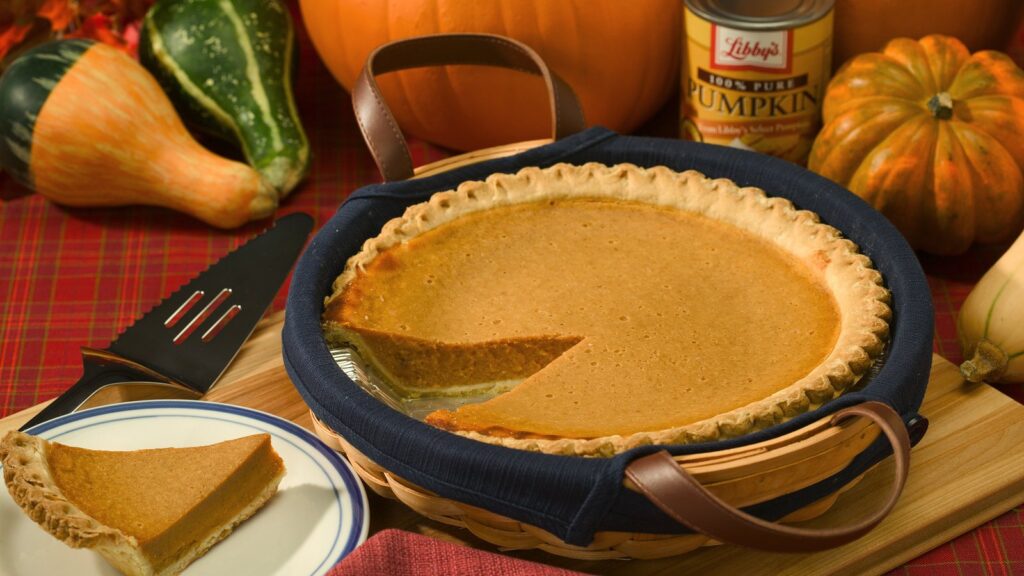

Yes, you can bring most Thanksgiving food on a plane. Under TSA rules, solid foods like pies, cakes, turkey, stuffing and casseroles can go in your carry-on. Foods you can spill, spread, spray, pump or pour, like gravy, cranberry sauce and jam, have to be 3.4 ounces (100 ml) or less to go through the checkpoint. Bigger containers belong in your checked bag.
Thanksgiving falls on Thursday, Nov. 26, 2026, and TSA says early indicators show it could screen more than 3 million passengers nationwide on Sunday, Nov. 29. A dish that gets pulled for extra screening slows down you and everyone behind you. Here’s what goes where, the items people most often get wrong, and how to pack food so it gets through quickly.
The one rule to remember: solid or not?
TSA’s holiday guidance boils down to one test. If a food is solid, it can go through the checkpoint in a carry-on. If you can spill it, spread it, spray it, pump it or pour it, and the container holds more than 3.4 ounces, it needs to go in a checked bag, FOX 13 Tampa Bay reported in its Nov. 17 rundown of TSA’s tips.
Anything that falls under that rule also follows TSA’s standard liquids, aerosols and gels rule. Each container must be 3.4 ounces or less, and all of them have to fit in one quart-sized bag. That limit hasn’t changed for 2026. Newer CT scanners at some checkpoints let you leave compliant liquids in your bag, but they don’t raise the 3.4-ounce limit.
Thanksgiving foods you can bring in your carry-on
In a Nov. 18, 2026 holiday release, TSA listed these solid foods as allowed in carry-on bags:
- Baked goods: pies, cakes, cookies and brownies, homemade or store-bought
- Meats: turkey, ham, chicken or steak, whether cooked, uncooked or frozen
- Stuffing: boxed mixes or already prepared
- Casseroles: solid holiday casseroles that hold their shape
- Mac ‘n’ cheese: cooked in a pan, or the dry boxed ingredients
- Fresh produce: raw potatoes, yams, greens, apples, cranberries and citrus
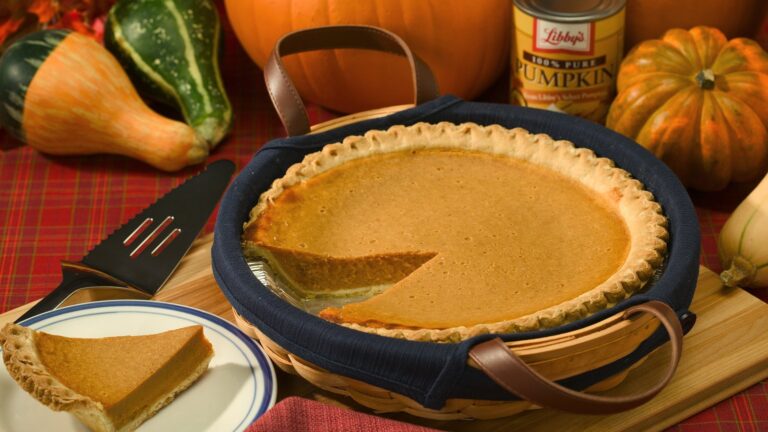
Candy and spices are fine too. Pumpkin pie counts as a solid, even with its soft custard filling. TSA’s pies and cakes page says “yes” for both carry-on and checked bags. It adds that officers may ask you to take food out of your bag so they get a clear X-ray image.
Foods that need to go in your checked bag (over 3.4 oz)
The same TSA release says these must go in checked luggage if the container is over 3.4 ounces:
- Cranberry sauce: homemade or canned, jellied or whole-berry
- Gravy: in jars, cans or plastic containers
- Canned goods: fruits or vegetables packed in liquid or syrup
- Preserves: jams, jellies and maple syrup
Drinks for the table follow the same rule. Wine, Champagne and sparkling cider bottles are far bigger than 3.4 ounces, so they go in checked bags. TSA’s food guidance says alcohol at 24% ABV or less (which covers nearly all wine) has no TSA quantity limit in checked bags. Drinks between 24% and 70% ABV are capped at 5 liters per passenger and must be in unopened retail packaging. Anything over 70% ABV isn’t allowed at all. Check with your airline too, since airlines can set their own rules.
The gray areas: mashed potatoes, dips and leftovers
Not every side dish is clearly solid or liquid. Mashed potatoes are a good example. A TSA regional spokesperson told FOX 13 Seattle on Nov. 19 that “mashed potatoes, cranberry sauce, gravy, wine, anything like that” needs to be 3.4 ounces or less to go in a carry-on. The same applies to dips, creamy spreads and soupy casseroles. If it would spread on a cracker, treat it as a liquid.
That matters most on the way home, when people try to carry leftovers. Sliced turkey, ham, rolls and a wedge of pie are all solids. A container of turkey swimming in gravy, or a tub of cranberry sauce, is not. Drain off the sauce or pack it separately in small containers, and keep the solids in your carry-on.
Whatever you pack, TSA officers have the final word on what gets through. Something allowed on paper can still be pulled if it looks unclear on the X-ray or sets off an alarm.
How to pack Thanksgiving food so it gets through security fast
- Pack food on top. FOX 13 Tampa Bay reports that TSA recommends putting food somewhere easy to reach, because you may need to take it out and put it in a bin for screening.
- Use clear, sealable containers. Officers can see what’s inside, and nothing leaks if your bag gets tipped.
- Freeze your ice packs solid. TSA allows ice packs to keep food cold, but they must be completely frozen at the checkpoint. Slushy or partly melted packs won’t be allowed through.
- Split the sauces. Bring a few 3.4-ounce portions of gravy or cranberry sauce in your quart bag, or check the big jar.
- Look it up first. The “What Can I Bring?” tool in the free myTSA app covers specific items. You can also message @AskTSA on X or Facebook Messenger, or text “Travel” to 275-872.
Getting food screened is only one part of the checkpoint. Our airport security tips for faster screening cover the rest, from how to pack your carry-on to choosing the right line.
When to fly and when to get to the airport
TSA expects heavy crowds. In its Nov. 18 release, the agency said it would publish official national projections for the Nov. 24–30 holiday period later in the week, and that early numbers point to more than 3 million people screened on Sunday, Nov. 29. TSA recommends arriving at least two hours before domestic flights and three hours before international flights, with extra time for parking, check-in and bag drop.
If you’re still deciding when to leave, our Thanksgiving travel forecast for 2026 lists the busiest days to fly and the worst times to drive. If you want to stay connected on board, see which airlines offer free in-flight Wi-Fi this Thanksgiving.
Exceptions: Hawaii, Puerto Rico and international flights
The rules above cover TSA screening for flights within the continental U.S. Some trips have extra limits on food:
- Hawaii, Puerto Rico and the U.S. Virgin Islands: TSA’s fresh fruit and vegetable guidance says passengers flying from these places to the U.S. mainland can’t take most fresh fruits and vegetables, because of the risk of spreading invasive plant pests.
- International flights: Customs and agriculture rules can be stricter than TSA’s, especially for meat, dairy and fresh produce. If you’re coming back into the U.S., see U.S. Customs and Border Protection’s prohibited and restricted items page before you pack food.
FAQ
Can I bring a pumpkin pie through TSA?
Yes. Pies are solid food and are allowed in both carry-on and checked bags. You may be asked to take the pie out of your bag for screening, so a sturdy, easy-to-open container helps.
Can I bring cranberry sauce in my carry-on?
Only if each container is 3.4 ounces or less and fits in your quart-sized liquids bag. TSA treats cranberry sauce, homemade or canned, as a spreadable food, so larger amounts go in checked luggage.
Can I bring a cooked turkey on a plane?
Yes. TSA lists turkey as allowed in carry-on bags whether it’s cooked, uncooked or frozen. If you’re keeping it cold, make sure any ice packs are frozen solid when you reach security.
Are mashed potatoes allowed in a carry-on?
Treat them as a liquid. A TSA spokesperson said this week that mashed potatoes need to be 3.4 ounces or less to go in a carry-on. Pack larger portions in a checked bag.
Can I bring wine to Thanksgiving dinner on a plane?
Put full bottles in a checked bag. Carry-on liquids are limited to 3.4 ounces per container. In checked bags, wine at 24% ABV or less has no TSA quantity limit, but your airline’s own rules still apply.
Sources: TSA (Nov. 18, 2026 holiday release; food, pies and cakes, fresh fruit and vegetable, and liquids rule guidance), FOX 13 Seattle (Nov. 19, 2026), FOX 13 Tampa Bay (Nov. 17, 2026) and U.S. Customs and Border Protection. This article is general travel information; TSA officers make the final call at the checkpoint. Featured image: “Pumpkin Pie” by Peggy Greb, USDA Agricultural Research Service, via Wikimedia Commons, public domain, cropped.