
The enduring allure of a vacation often boils down to a fundamental choice: the expansive, sun-drenched horizon of the beach, or the verdant, shaded embrace of the forest. While both promise respite from the demands of daily life, they offer distinct pathways to relaxation. Understanding these differences is key to selecting the environment that best aligns with individual needs and preferences, transforming a pleasant escape into a truly restorative experience. This article delves into the comparative aspects of beach and forest trips, examining their unique contributions to well-being and identifying the factors that differentiate their relaxation potential.
The aural and olfactory environments of a beach and a forest are starkly different, and these sensory inputs play a significant role in their respective relaxing qualities.
The Rhythmic Therapy of the Ocean
The soundscape of the beach is dominated by the consistent, yet varied, rhythm of the waves. This natural cadence, ranging from gentle lapping to powerful crashing, has been shown to have a profoundly calming effect on the human psyche.
The Hypnotic Effect of White Noise
The prolonged exposure to the repetitive sound of the ocean can act as a form of white noise, effectively masking intrusive or jarring environmental sounds. This can lead to a reduction in stress hormones and an increased sense of tranquility. Studies in auditory psychology have suggested that predictable, low-frequency sounds like those of the natural world can prompt a state of deep relaxation. The vastness of the ocean also contributes to this, with the sheer scale of the auditory input creating a sense of immersion and detachment from human-made noise pollution.
The Salty Kiss: Aromatherapy of the Sea
Accompanying the auditory experience is the distinctive scent of sea air. The briny aroma, laden with negative ions, is often associated with feelings of refreshment and rejuvenation.
The Benefits of Negative Ions
Negative ions, abundant in coastal environments, are believed to have a positive impact on mood and energy levels. Research indicates that increased exposure to these ions can help to alleviate symptoms of depression and anxiety, contributing to an overall sense of well-being. The subtle yet pervasive scent of salt and damp sand can also trigger pleasant memories and associations for many individuals.
The Whispering Canopy: Forest Aural and Olfactory Appeals
The forest offers a contrasting, yet equally compelling, sensory experience. The sounds are more varied, and the scents are earthy and complex.
The Symphony of Nature’s Sounds
The sounds within a forest are a complex tapestry of rustling leaves, birdsong, the murmur of streams, and the occasional snap of a twig. This multi-layered auditory environment can be less immediately soothing than the ocean’s rhythm to some, but it offers a different kind of engagement.
The Calming Effect of Biodiverse Soundscapes
The interplay of different natural sounds can create a sense of peaceful alertness, encouraging mindfulness and a connection to the surrounding flora and fauna. The subtle nuances of the forest’s soundscape can draw attention away from internal chatter and toward the external environment. The absence of human-generated noise is a significant factor, but it is the presence of diverse natural sounds that most distinguishes the forest’s acoustic appeal.
The Grounding Aroma of the Earth
The scent profile of a forest is dominated by the rich smell of damp earth, decaying leaves, pine needles, and various burgeoning plant life. This organic aroma can be deeply grounding and restorative.
The Power of Phytoncides
Forests are renowned for emitting phytoncides, volatile organic compounds released by trees. These compounds have been linked to a range of health benefits.
Trees and Well-being
Exposure to phytoncides has been shown to reduce stress hormones, boost immune function, and even improve mood. The complex, earthy fragrance can evoke feelings of stability and primal connection, a stark contrast to the airy expansiveness of the sea.
The Physical Engagement Factor: Activity and Immobility
The nature of physical engagement, or deliberate lack thereof, is another critical differentiator between beach and forest trips.
The Active Allure of the Shoreline
Beaches often invite a certain type of physical activity, from languid strolls to more energetic pursuits.
The Gentle Exertion of Walking on Sand
Walking on sand, while seemingly simple, provides a moderate physical challenge. The instability of the surface engages stabilizing muscles and offers a gentle workout.
The Physical Benefits of Sand Locomotion
This form of locomotion can improve balance and proprioception, contributing to overall physical fitness. The sensation of walking barefoot on sand also provides tactile stimulation.
Opportunities for Water-Based Recreation
The ocean itself presents a vast playground for various activities that can be both invigorating and relaxing.
Swimming and Surfing as Stress Relief
Swimming offers a low-impact, full-body workout that can effectively melt away tension. Activities like surfing, while requiring more skill, can provide a powerful outlet for energy and a deep sense of accomplishment. Even simply wading in the water can be a profoundly soothing experience, the coolness providing physical comfort and release.
The Immersive Stillness of the Woods
Forests, by contrast, often lend themselves to a more passive form of engagement, or gentle exploration.
The Contemplative Nature of Forest Trails
Forest trails are designed for walking and hiking, encouraging a slower pace of movement and observation.
Mindful Hiking and Nature Observation
The act of navigating a winding path through trees can foster a sense of mindfulness, where attention is drawn to the immediate surroundings. The focus shifts from rapid progress to careful observation of the intricate details of the forest ecosystem. This encourages a release from the constant pressure to perform and achieve.
The Art of Doing Nothing in Nature
Beyond planned activities, the forest offers ample opportunities for simply being.
Sitting by a Tree or Under the Canopy
Finding a secluded spot to sit and observe the play of light and shadow, listen to the sounds, or simply breathe in the forest air can be an exercise in profound relaxation. Unlike the open expanse of the beach, the forest provides natural shelters and enclosed spaces that can foster a sense of security and intimacy with nature. The density of the trees can create a more sheltered and personal feeling.
The Psychological Impact: Escape and Connection
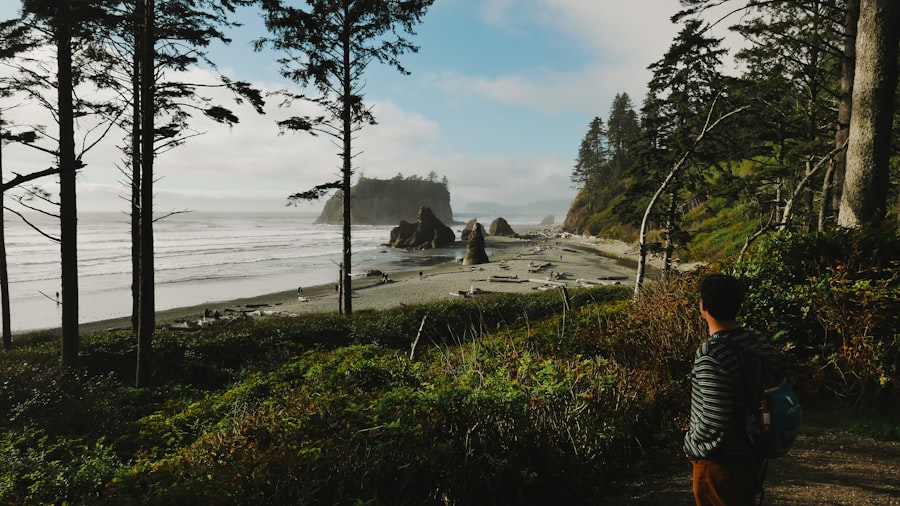
The psychological benefits derived from these environments are shaped by their unique capacity for escape and the nature of connection they foster.
The Illusion of Endless Possibility: Beach Escapism
The beach offers a potent form of escapism, characterized by a sense of boundless space and freedom.
Visual Expansiveness and Mental Liberation
The unobstructed view of the horizon, where the sky meets the sea, can create a feeling of immense possibility and reduce feelings of constraint. This visual vastness can translate into a mental liberation, allowing the mind to wander and de-stress.
Reducing Cognitive Load
The relatively simple visual field of the ocean, with its predictable patterns, can reduce cognitive load, allowing the brain to enter a more relaxed state. The often-uncluttered visual environment minimizes the processing demands on the brain.
The Detachment from Daily Worries
The symbolic vastness of the ocean frequently prompts a shedding of everyday concerns.
The “Out of Sight, Out of Mind” Effect
The physical distance from familiar surroundings, combined with the sheer scale of the environment, can create an “out of sight, out of mind” effect for many of life’s stressors. The beach is often associated with leisure and a deliberate removal from responsibilities.
The Grounded Reality of Forest Immersion
The forest, conversely, fosters a sense of grounded connection and immersion.
The Intimacy of Enclosed Spaces
The protective canopy of trees creates a more enclosed and intimate environment, fostering a sense of security and belonging.
Cultivating a Sense of Place
This sense of enclosure can lead to a deeper connection with the immediate surroundings, fostering a strong “sense of place” and reducing feelings of displacement or anxiety. The intricate details of the forest invite exploration and discovery at a human scale.
The Reconnection with Natural Rhythms
The forest encourages a reconnection with slower, more natural rhythms, counteracting the fast-paced demands of modern life.
Synchronizing with Nature’s Pace
By immersing oneself in the slower unfolding of forest life, individuals can begin to synchronize their internal rhythms with the natural world, leading to a more balanced and centered state of mind. The predictability of seasonal changes and the slow growth of trees offer a powerful counterpoint to the rapid obsolescence of modern trends.
The Social Dimension: Solitude vs. Shared Experience
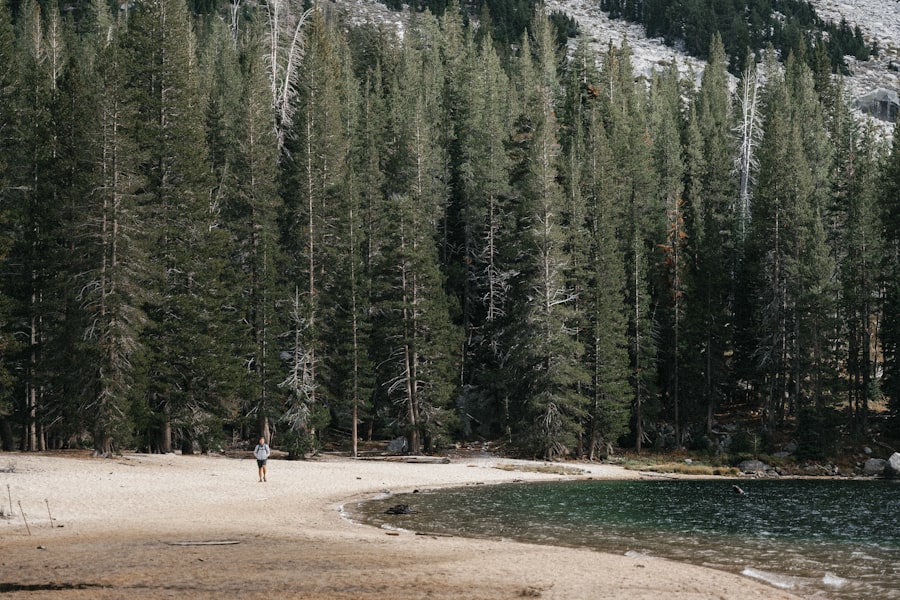
The social dynamics inherent in beach and forest trips also contribute to their unique relaxation profiles.
The Solitary Appeal of the Beach
The beach often caters to those seeking a more solitary experience.
The Freedom of Personal Space
The vastness of many beaches allows for individuals to find ample personal space, fostering a sense of privacy and independence.
Uninterrupted Contemplation
This freedom from proximity to others can facilitate uninterrupted contemplation, introspection, and a chance to simply “be” without social pressures. The open nature of the beach makes it easy to find a secluded spot, even in more popular areas.
The Potential for Shared Activities
While often associated with solitude, beaches also offer opportunities for shared enjoyment.
Casual Social Interaction
Activities like sunbathing, building sandcastles, or beach volleyball can be enjoyed with companions without being overly demanding. The relaxed atmosphere lends itself to casual, low-pressure social interaction.
The Cozy Embrace of the Forest
Forest environments often foster a sense of shared immersion.
The Intimate Setting of Shared Trails
Forest trails, while often traversed individually, can lead to chance encounters and a sense of shared experience with fellow nature enthusiasts.
A Sense of Community in Nature
There can be an unspoken camaraderie among hikers, a shared appreciation for the environment that fosters a subtle sense of community. The shared challenge of navigating a trail can also create bonds.
The Comfort of Communal Seclusion
The secluded nature of many forest areas makes them ideal for group retreats or family camping trips.
Bonding Through Shared Exploration
The enclosed, natural setting provides a comforting backdrop for bonding through shared exploration, campfire stories, and communal meals. The focus shifts to shared activities and mutual reliance within a natural setting.
The Practicalities of Planning: Accessibility and Preparation
| Criteria | Beach Trip | Forest Trip |
|---|---|---|
| Scenery | Beautiful ocean views | Lush greenery and wildlife |
| Activities | Swimming, sunbathing, beach sports | Hiking, birdwatching, nature walks |
| Noise Level | Sound of waves and seagulls | Rustling leaves and bird songs |
| Relaxation Level | Calming effect of waves | Tranquility of the forest |
| Accessibility | Accessible in many coastal areas | Accessible in various forested regions |
The ease of access and the required level of preparation also influence the practicality and thus the relaxation potential of these trips.
The Perceived Ease of Beach Access
Beaches are often perceived as being more readily accessible for spontaneous trips.
Proximity to Urban Centers
Many popular beach destinations are located within reasonable driving distance of large urban areas, making them accessible for weekend getaways.
Minimizing Travel Time for Maximum Relaxation
Shorter travel times can mean more time spent actually relaxing, which is a key factor in effective de-stressing. The allure of a quick escape is a significant draw.
Minimal Preparation for a Day Trip
For a day trip, a beach excursion often requires less elaborate preparation than a forest trip.
Packing Essentials for a Hassle-Free Experience
A few towels, sunscreen, snacks, and beach toys are usually sufficient for a relaxing day by the sea. This low barrier to entry can make beach trips a more appealing option for those seeking immediate respite.
The Planned Nature of Forest Exploration
Forest trips often necessitate a greater degree of planning and preparation.
Greater Commitment to Travel and Logistics
Reaching more remote and pristine forest areas often requires longer travel times, more complex logistical arrangements, and potentially specialized transportation.
Maximizing the Value of Extended Stays
This often means that forest trips are better suited for longer durations, where the investment in travel and preparation is rewarded with a deeper immersion. The benefits are often more pronounced with extended time.
Increased Need for Gear and Knowledge
Venturing into forests, especially for extended periods or off-trail, requires more attention to gear and safety knowledge.
Essential Equipment for Safety and Comfort
This can include appropriate footwear, insect repellent, navigation tools, and potentially camping equipment. Understanding the local environment, potential hazards, and Leave No Trace principles is also crucial. This increased planning can, paradoxically, contribute to relaxation by providing a sense of preparedness and control.
Conclusion: The Subjective Nature of Ultimate Relaxation
Ultimately, the comparison between beach and forest trips for ultimate relaxation is not a definitive victory for one over the other. Instead, it highlights the subjective nature of what constitutes restorative experience. For some, the boundless expanse and rhythmic embrace of the ocean offer an unparalleled escape from the confines of daily life. The sensory input of the sea, coupled with the potential for active engagement, fosters a sense of liberation and rejuvenation.
Conversely, others find their deepest sense of peace in the grounding embrace of the forest. The intricate details, the natural scents, and the palpable sense of connection to a living ecosystem provide a different, yet equally powerful, form of solace. The contemplative nature of forest exploration and the intimacy of its enclosed spaces can lead to a profound sense of calm and a recalibration of one’s internal rhythms.
The decision between a beach and a forest retreat hinges on an individual’s personal preferences, their current psychological state, and the specific type of respite they seek. Are they craving an expansive sense of freedom or a grounded sense of belonging? Do they seek active engagement or passive contemplation? By understanding the unique offerings of each environment, individuals can make informed choices that lead not just to a pleasant vacation, but to a truly transformative and deeply relaxing experience. The “ultimate relaxation showdown” is, in essence, a personal journey of discovery.
FAQs
1. What are the benefits of a beach trip for relaxation?
Beach trips are known for their calming and soothing effects due to the sound of waves, warm sand, and the feeling of being close to nature. The beach environment can help reduce stress and promote relaxation.
2. What are the benefits of a forest trip for relaxation?
Forest trips offer a peaceful and serene atmosphere, with fresh air, green surroundings, and the opportunity to connect with nature. Forest environments have been shown to reduce anxiety and improve overall well-being.
3. Which environment is better for relaxation, the beach or the forest?
The choice between the beach and the forest for relaxation ultimately depends on individual preferences. Some people may find the beach more relaxing due to the sound of waves and warm climate, while others may prefer the tranquility and greenery of the forest.
4. Are there any potential drawbacks to beach trips for relaxation?
Some potential drawbacks of beach trips for relaxation include overcrowding, sunburn, and exposure to excessive heat. Additionally, some individuals may not find the beach environment as calming as others.
5. Are there any potential drawbacks to forest trips for relaxation?
Potential drawbacks of forest trips for relaxation may include insect bites, unpredictable weather, and limited access to amenities. Additionally, some individuals may not feel comfortable in a more secluded and natural environment.