
Starting Nov. 20, 2026, Airbnb hosts can no longer require guests to do chores a cleaner would normally handle before checkout. That means no mandatory dishwashing, bed stripping, laundry or hauling trash off-site. Hosts can still ask for a few simple things, like putting used dishes in the sink, gathering towels and sorting trash into indoor bins. Every rule also has to be shown on the listing before you book. Here’s what changes for guests and hosts, what’s still allowed, and why so many hosts are upset.
What Is Airbnb Changing on Nov. 20?
Airbnb first announced the new house rules policy on Oct. 20 and expanded its explanation on Nov. 3 after pushback from hosts. According to Airbnb’s official guide for hosts, the policy takes effect on Nov. 20, 2026. That’s when the company will begin reviewing listings, and the first round of reviews runs through March 2027. After that, Airbnb says it will keep reviewing listings on an ongoing basis.
The BBC and Fox Business both report that the rules apply to bookings made from Nov. 20 onward, worldwide.
Airbnb says the reason is simple: guests have told the company for years that long checkout chore lists and surprise rules make them hesitant to book.
Checkout Chores Hosts Can and Can’t Require
Airbnb now lets hosts write “Additional rules” (the app is renaming them from “Requests”), but they have to be reasonable. The company gives these examples:
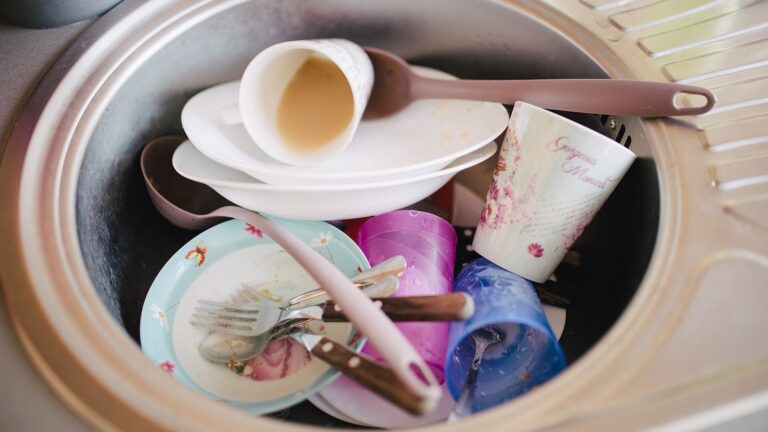
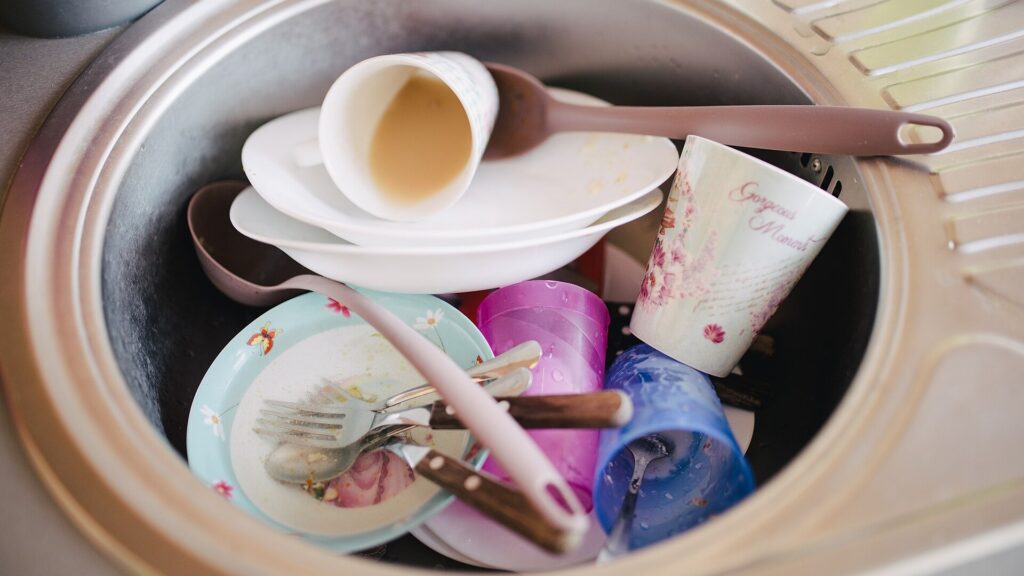
- Dishes: hosts can ask you to put used dishes in the sink, but not to wash and put them away.
- Laundry: hosts can ask you to gather used towels, but not to strip the beds or start a load of laundry.
- Trash: hosts can ask you to sort trash and recycling into designated indoor bins, but not to take garbage off-site.
- Utilities: hosts can ask you to turn off the air conditioning when you leave, but they can’t discourage you from using an amenity the listing advertises.
There are exceptions. Airbnb says it looks at the type of listing and local laws when deciding whether a rule is reasonable. For example, it may be fine to ask guests to use an animal-proof trash container in bear country, or to limit shower time where drought restrictions apply.
The 7 standard house rules
Alongside any additional rules, hosts can now choose from seven standard house rules: maximum overnight guests, pets, smoking, quiet hours, events, commercial photography, and locking up at checkout (with details about where to return keys). The old checkout instructions section has been removed from the listing editor. “Lock up at checkout” is now a standard rule, and hosts can re-add simple tasks like switching things off under “Before checkout.”
No Surprise Rules and Generally No Fines
Two other parts of the policy could matter just as much to travelers as the chore limits:
- Rules must be disclosed before you book. Fox Business reports that all house rules and requests must appear in the listing’s designated section when you reserve. Hosts can’t add new requirements later through messages, signs in the home or in person.
- Hosts generally shouldn’t fine guests. Airbnb says hosts can tell guests about fines a local government or homeowners association might charge, but they shouldn’t set penalties of their own.
Contracts are restricted too. Airbnb says hosts can only ask guests to sign one for a few reasons, such as legal or insurance requirements, homeowners association rules, monthly rentals, Airbnb Luxe stays, and optional extras like golf carts.
Do Guests Still Have to Clean Up?
Not like a cleaner, but you’re still expected to be a decent guest. In an analysis published by RNZ (originally from The Conversation), University of Western Australia marketing lecturer Andreawan Honora points out that guests must still leave the property in reasonable condition.
Hosts also keep some leverage. Airbnb says a host can cancel a reservation without penalty if a guest breaks a house rule during the stay or says before check-in that they plan to. Guests who violate Airbnb’s policies can be suspended or removed from the platform. And both sides still review each other, which one London host told the BBC is what keeps most people behaving reasonably.
Why Many Hosts Are Pushing Back
The change has been popular with travelers who felt they were paying twice: once through a cleaning fee and again with their own time. One guest told the BBC that her group paid a $250 cleaning fee for a Florida rental and was still asked to wash towels, clean the kitchen and mop the floors. According to AirROI data cited by the BBC, 63.2% of Airbnb listings charge a cleaning fee, averaging £55.
Hosts see it differently. Several told the BBC they worry guests will leave more mess, turnarounds between bookings will get harder and their cleaning bills will rise. One North Yorkshire cabin owner said he is cutting the number of his properties listed on Airbnb from five to two. According to the RNZ piece, hosts have called for a booking blackout on Nov. 20, and a petition asking Airbnb to reconsider had passed 27,000 signatures.
Could Airbnb prices go up?
Possibly. RNZ notes that some hosts may pass higher cleaning costs on through bigger cleaning fees or nightly rates. If you’re already budgeting for pricier holiday flights this year, compare the total price of a rental, fees included, with nearby hotels before you book.
Tips for Guests Booking After Nov. 20
- Read the house rules before you pay. They’re now shown more prominently on the listing and appear in your Trips tab and reservation reminders.
- Screenshot what you agreed to. RNZ suggests keeping a record of any unexpected rule added after booking or during your stay so you can report it to Airbnb.
- Leave the place tidy anyway. Putting dishes in the sink, gathering towels and bagging trash takes a few minutes and helps your guest rating.
- Compare the total cost. Look at the full price with fees, not just the nightly rate. Our tips for a smooth journey can help you plan the rest of the trip.
What Hosts Should Do Now
If your listing has rules that don’t meet the policy, Airbnb says it will tell you by email and in the app, and you’ll have at least 20 days to change them or appeal. You can only submit an appeal once, so make it count. Airbnb suggests explaining why the rule is needed and uploading proof, such as a local ordinance or homeowners association rule. If an appeal is rejected and you keep the rule, guests may see a notice on your listing page.
It’s also a good moment to review your cleaning fee. RNZ suggests hosts make sure it reflects their actual cleaning costs while keeping the total price competitive with similar places nearby. For hosts of rural stays such as cabins in nature, the exceptions for things like wildlife-safe trash disposal may be worth citing in an appeal. Off-peak and value-focused travel is a big theme for 2026, as our look at this year’s travel trends shows, so clear and fair rules may help a listing stand out.
FAQ
When do Airbnb’s new checkout rules start?
Nov. 20, 2026. Airbnb begins reviewing listings that day, and its first round of reviews continues through March 2027.
Can an Airbnb host make me wash the dishes?
Not under the new policy for bookings made from Nov. 20. Hosts can ask you to put used dishes in the sink, but not to wash and put them away, unless Airbnb approves an exception for that listing.
Can I still be charged for leaving a mess?
Hosts generally can’t set their own fines, but guests still have to leave the property in reasonable condition.
Does this apply outside the United States?
Yes. The BBC reports that the updated rules apply to bookings made globally from Nov. 20.
Details are based on Airbnb’s host guidance (updated Nov. 3, 2026) and reporting from the BBC, Fox Business and RNZ. Check Airbnb’s help pages for the latest version of the policy.
Featured image: “Dirty dishes in the sink” by Shixart1985, via Wikimedia Commons, CC BY 2.0, cropped.