
Yes, you can still travel to the Galápagos, but plan for some closed sites and more rain. Flights to Baltra and San Cristóbal were back on regular schedules as of Nov. 9, 2026, and most national park visitor sites have reopened after the Oct. 30–31 floods on Santa Cruz Island. A few popular spots, including Las Grietas and Tortuga Bay, are still restricted, and forecasters expect El Niño rain to continue into early 2027. Here’s what is open, what isn’t and how to plan.
What happened in the Galápagos?
Torrential rain on the night of Oct. 30 overflowed ravines on Santa Cruz, the archipelago’s main inhabited island and the base for many cruises and day trips. The Galapagos Conservation Trust says water rose an estimated three metres in the La Cascada and La Unión neighbourhoods of Puerto Ayora, the island’s main town. Ecuador’s risk management agency (SNGR) reported one death, 2,760 people affected and 690 homes damaged in Bellavista and Puerto Ayora as of Nov. 3, according to El Mercurio. The local government declared an emergency.
The floods also damaged the main road between Baltra airport and Puerto Ayora. Commercial flights into Baltra were briefly suspended on Oct. 31 so emergency aid could get in, and the road reopened on Nov. 5 while repairs continue, Condé Nast Traveler reports.
Is it safe to visit the Galápagos right now?
Local operators and Ecuador’s government say trips can go ahead. On Nov. 7, Ecuador’s Ministry of Economic and Productive Development said the islands remain open to visitors and urged travelers to keep their plans but check conditions with their tour operators, El Comercio reported. A guesthouse owner on Santa Cruz told Condé Nast Traveler that the flooding hit residential neighbourhoods away from the main hotel areas and that tourism resumed within days.
The UK Foreign, Commonwealth & Development Office added the Santa Cruz flooding to its Ecuador advice on Nov. 1. It tells travelers to follow local authorities, avoid flooded areas and confirm arrangements with airlines and tour operators. Check your own government’s advice too, because conditions can change quickly.
Which Galápagos visitor sites are open or closed?
The Galápagos National Park Directorate (DPNG) has been reopening sites one by one after safety checks. This is the latest status reported by Ecuadorian media and Condé Nast Traveler as of Nov. 7–9. Closed sites stay shut until new technical assessments clear them, so recheck before you go.
Santa Cruz
- Open: Playa El Garrapatero.
- Restricted: Las Grietas, El Chato and El Puntudo.
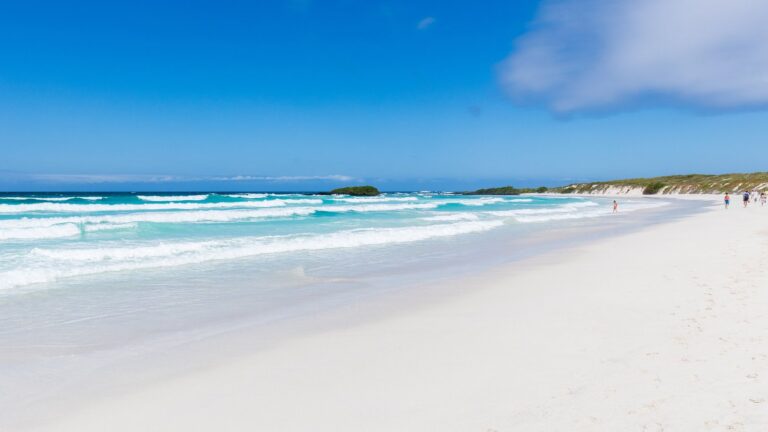
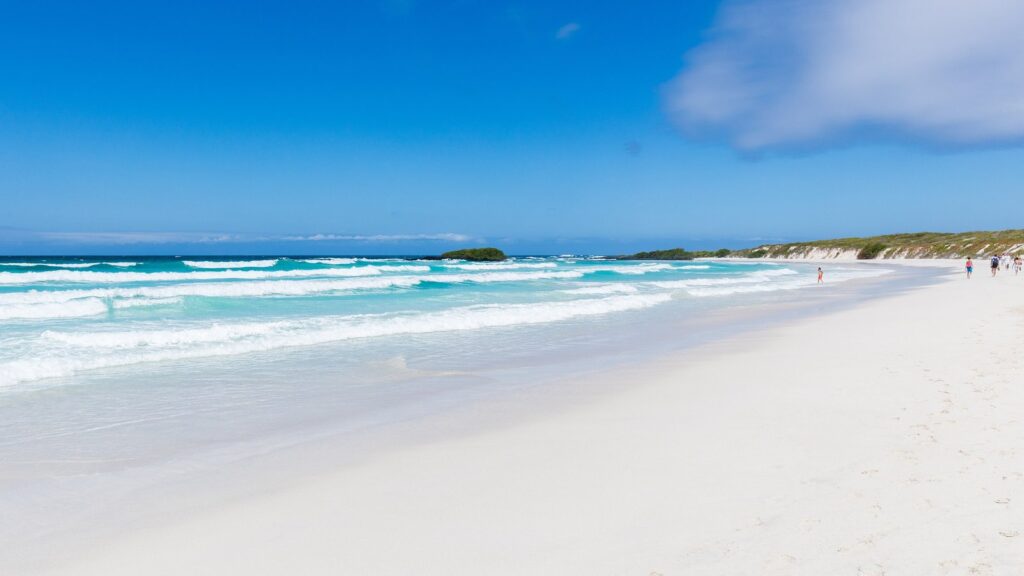
- Tortuga Bay: Condé Nast Traveler reports a precautionary closure from Nov. 9 to 18 because of tide changes. Revista Transport, citing the park, reported afternoon closures on Nov. 9 (1–6 p.m.) and Nov. 10 (2–6 p.m.) after Ecuador’s navy oceanographic institute warned of strong southwest swells during spring tides expected Nov. 9–12. Ask your guide which schedule applies on the day.
San Cristóbal
- Open: La Lobería and Punta Carola.
- Closed: the surf spots Puerto Chino and Playa Baquerizo.
Isabela
- Closed: the Los Humedales (wetlands) sector.
San Cristóbal was not damaged the way Santa Cruz was, according to a naturalist guide based there, but beach access is being limited as the weather changes. Don’t assume every island is affected the same way. Check each stop on your itinerary.
How El Niño could affect trips through early 2027
The floods came during an El Niño event, when unusually warm Pacific water brings heavier rain to coastal Ecuador and the Galápagos. Ecuador’s weather agency INAMHI says the event is active and strengthening, and forecasts suggest heavy rain may last until February 2027, Condé Nast Traveler reports. The Galapagos Conservation Trust notes that the World Meteorological Organization expects El Niño to reach record strength in December and persist into 2027.
For travelers, that can mean:
- Heavy downpours and temporary road closures on Santa Cruz.
- Boat excursions rerouted or rescheduled, and changes to inter-island transfers.
- Short-notice closures of beaches and trails, especially around big swells and spring tides.
- Different wildlife encounters. Warmer water affects penguins, flightless cormorants and marine iguanas, and local boat operators say it can also change what you see while snorkelling.
If you’re still choosing dates, it helps to know how wet and dry seasons shape a destination; our guide to planning nature trips for rainy and dry seasons covers the basics.
How to plan a Galápagos trip right now
Before you leave
- Confirm flights, hotels and cruises directly. Ask your operator whether each excursion is running and what the backup is if a site closes.
- Check your travel insurance. Look for cover for weather disruption, medical emergencies and extra accommodation or transport costs. Our travel insurance tips explain what to look for in a policy. Remember that a known event is often excluded once it has been reported, so read the policy wording.
- Build in slack. Leave extra time between your Galápagos flight and any international connection on the mainland.
- Pack for rain. Bring a light rain jacket and dry bags for your phone, camera and documents.
On the islands
- Ask your guide or hotel for updates every day, and follow the Galápagos National Park and INAMHI on their official channels.
- Follow park rangers’ instructions at beaches and trails, especially during big swells.
- If your trip moves between islands, our guide to island hopping has tips on pacing and flexible planning.
How to visit responsibly and help
Many people who work in tourism on Santa Cruz were hit by the floods, and local voices say visitors help the recovery. Condé Nast Traveler suggests staying in locally owned guesthouses, hiring licensed local guides and eating at independent restaurants. Don’t treat damaged neighbourhoods as sightseeing stops, and don’t photograph residents without permission. For more on low-impact travel, see our eco-tourism guide.
Condé Nast Traveler lists several relief efforts, including an emergency fundraiser by the Charles Darwin Foundation that goes to the Santa Cruz emergency committee, an SOS Galápagos fund at Universidad San Francisco de Quito and a community kitchen run by Fundación Torraja. The Galapagos Conservation Trust is also working with local NGOs on food and shelter through its El Niño appeal.
FAQ
Are flights to the Galápagos running?
Yes. As of Nov. 9, flights to Baltra and San Cristóbal were on regular schedules, according to local reporting cited by Condé Nast Traveler.
Is Las Grietas open?
Not yet. Las Grietas, El Chato and El Puntudo on Santa Cruz were still restricted as of Nov. 9, with no reopening date announced.
Should I cancel my Galápagos trip?
Authorities and local operators are asking visitors to keep their plans. Whether you go is your decision. Talk to your operator about which sites on your itinerary are open, check your government’s travel advice and read your insurance policy before you make changes.
How long will El Niño affect the Galápagos?
Forecasts cited by Condé Nast Traveler suggest heavy rain could last until February 2027, and the WMO expects El Niño to persist into 2027.