
A stillcation is a holiday built around doing less — fewer packed itineraries, more unstructured time, and destinations that make calm feel natural. Fresh coverage this week from travel marketers Lemongrass and from lifestyle outlets including WA Today is framing “anti-optimisation” as a defining travel mood for late 2026: travellers say they want to come home rested, not transformed. Here’s what the term means, which European spots score highest for stillness, and how to plan one without turning rest into another checklist.
What Is a Stillcation?
Tour operator Inghams Walking defines a stillcation as a trip organised around stillness: not sitting motionless, but dropping the everyday agenda so you can stay in the present. Think good food, quiet views, clean air and walks without a scoreboard — not sunrise yoga bootcamps or a silent-retreat rulebook, unless you want those.
That idea lines up with a November 2026 Lemongrass trend report summarised by Travel Tomorrow. The marketers argue that hyper-curated itineraries, rewards programmes and pressure-filled bucket lists are losing their shine. Fitness trackers and productivity culture, they say, leaked into holidays — and many people are tired of maximising every minute of hard-earned time off. “Travellers don’t aspire to return home transformed but rather truly rested,” the report concludes.
A related Lemongrass theme is “passive wellness”: less pursuit of maximum wellness (which can add cognitive stress) and more nervous-system recovery through architecture, atmosphere and the feel of a place. Biophilic design — buildings and spaces that keep you close to nature — is part of that shift.
Why “Do Less” Travel Is Trending Now
On November 6, 2026, Emma Thomson’s feature for WA Today / The Telegraph described the stillcation as an antidote to holidays that feel like to-do lists of bucket-list experiences and Instagrammable moments. Wellness facilitator Jamie Clements, author of The Next Breath, told the piece that stress has become the baseline and calm the exception. Operators are responding with quieter products: Black Tomato itineraries themed around “The Gift of Boredom” and “Sonic Sanctuaries,” off-grid cabins from brands like Unyoked, and Wi-Fi-free stays.
None of this means travellers have stopped caring about value, timing or smarter booking. Our earlier roundup of 2026 travel trends from the WTM Global Travel Report already flagged off-peak trips and longer stays in fewer places. The stillcation angle goes one step further: it treats unstructured time as the point of the trip, not leftover space between attractions.
Europe’s Stillest Destinations, Ranked
Inghams scored nearly 100 European destinations on six equally weighted factors chosen to support the brain’s resting state: walking-trail density, air quality, birdsong richness, stargazing quality (Bortle Scale), human density and forest cover. Scores are relative to the destinations in the study. The top 10:
- Wester Ross, Scotland — 44.74
- French Pyrenees, France — 41.20
- Abisko, Sweden — 40.86
- Engadin Valley, Switzerland — 39.44
- The Dolomites, Italy — 39.20
- Picos de Europa, Spain — 39.05
- Outer Hebrides, Scotland — 38.96
- Corsica, France — 38.18
- Gotland, Sweden — 37.95
- Kitzbühel, Austria — 36.86
Wester Ross, Scotland
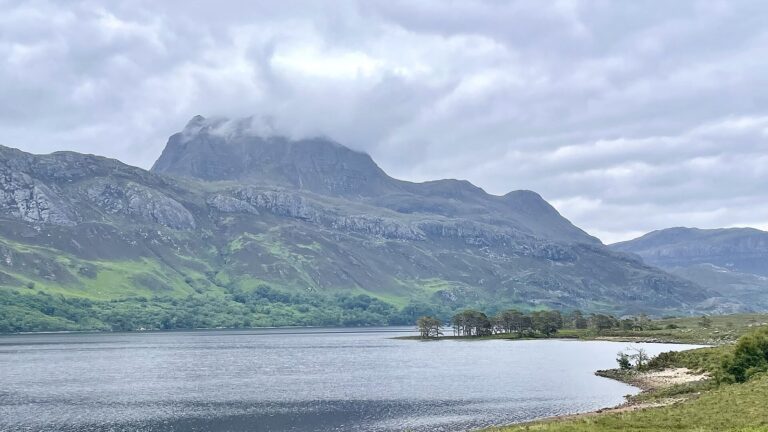
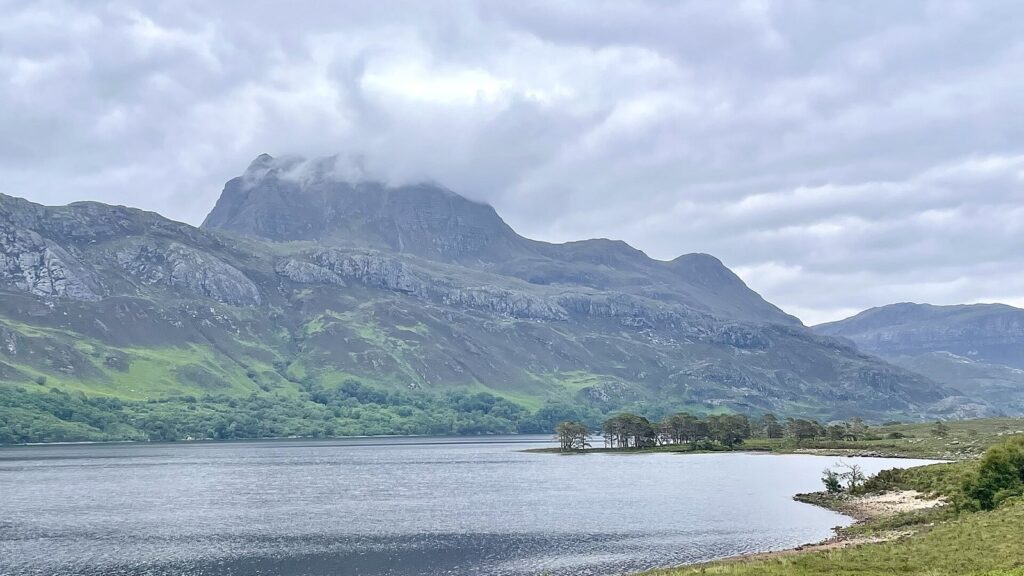
Often called one of Europe’s last wild corners, Wester Ross sits in the northwest Highlands and is Scotland’s first UNESCO Biosphere Reserve. Inghams found about 1.6 people per square kilometre and a Bortle Scale reading of 1 — among the darkest night skies in the study. Beaches, lochs, old pinewoods and mountains make it a natural fit if you want space more than nightlife. Dark-sky trips pair well with our guide to the November 2026 night sky, including the Leonids and the Beaver supermoon.
French Pyrenees and Abisko
The French Pyrenees ranked second and scored especially high for birdsong, with more than 319 recorded bird species in Inghams’ data. Abisko, about 200 km north of the Arctic Circle, ranked third: its “blue hole” microclimate keeps skies clearer for northern lights from roughly September to April, and the destination posted the study’s highest walking-trail score.
Engadin Valley and the Dolomites
Switzerland’s Engadin Valley had the best air-quality score in the study and more than 580 km of hiking trails. Italy’s Dolomites offer dramatic limestone peaks; Inghams suggests quieter bases such as Alpe di Siusi / Ortisei if Cortina feels too busy. Mountain stillness fans may also like our piece on mountain getaways and high-altitude travel.
How to Plan a Stillcation Without Over-Optimising
- Pick place over programme. Choose destinations with low density, dark skies, forest cover and walkable nature — then leave half the days unscheduled.
- Stay longer in fewer spots. Lemongrass and the WTM-style trend reports both point to longer stays as the practical way to rest.
- Limit the tech. A phone-free cabin or a digital detox stretch helps; see our guide to unplugging in nature.
- Expect day one to feel odd. WA Today’s piece notes that the first day or two of a stillcation can feel uncomfortable, the same way it takes time to unwind on any holiday.
- Keep movement gentle. Short trails, lakeside walks and forest time beat a packed multi-city dash. For shorter breaks closer to home, try our ideas for weekend nature escapes.
- Protect the quiet you’re seeking. Low-density, dark-sky and high-biodiversity places depend on healthy environments — travel lightly and support local stewardship.
Stillcation vs Coolcation vs Digital Detox
Stillcation centres on agenda-free rest and environments that make calm easier. A coolcation (also referenced in the Lemongrass “adapted destinations” trend) is more about climate-smart timing — cooler seasons or cooler places to avoid extreme heat. A digital detox focuses on screens and notifications; it can be part of a stillcation, but a stillcation can also mean simply walking without a packed sightseeing list. Overlap is common; the labels just answer different questions.
Frequently Asked Questions
What does stillcation mean?
A stillcation is a holiday designed around stillness and unstructured time — doing less on purpose — rather than packing every hour with attractions.
Where is the stillest place in Europe according to Inghams?
Wester Ross in the Scottish Highlands ranked first, with a Stillcation Score of 44.74 out of 100 in Inghams’ comparison of nearly 100 European destinations.
Is a stillcation the same as a staycation?
No. A staycation usually means holidaying near home. A stillcation is about how you spend the trip — less agenda, more presence — whether you travel near or far.
Do I need a wellness resort for a stillcation?
No. Many stillcations are simple: a quiet cabin, a lochside walk, dark skies and meals without a schedule. Spas and yoga are optional extras, not the definition.
When is the best time for a stillcation in Europe?
Shoulder seasons often help: fewer crowds, softer light and, in alpine areas, cooler weather. For aurora-focused Abisko trips, September to April is the classic window.
Featured image: Slioch with Loch Maree, Wester Ross, Scottish Highlands by Hamish McCunn, via Wikimedia Commons, CC BY-SA 4.0, cropped.